
Last updated November 15, 2026
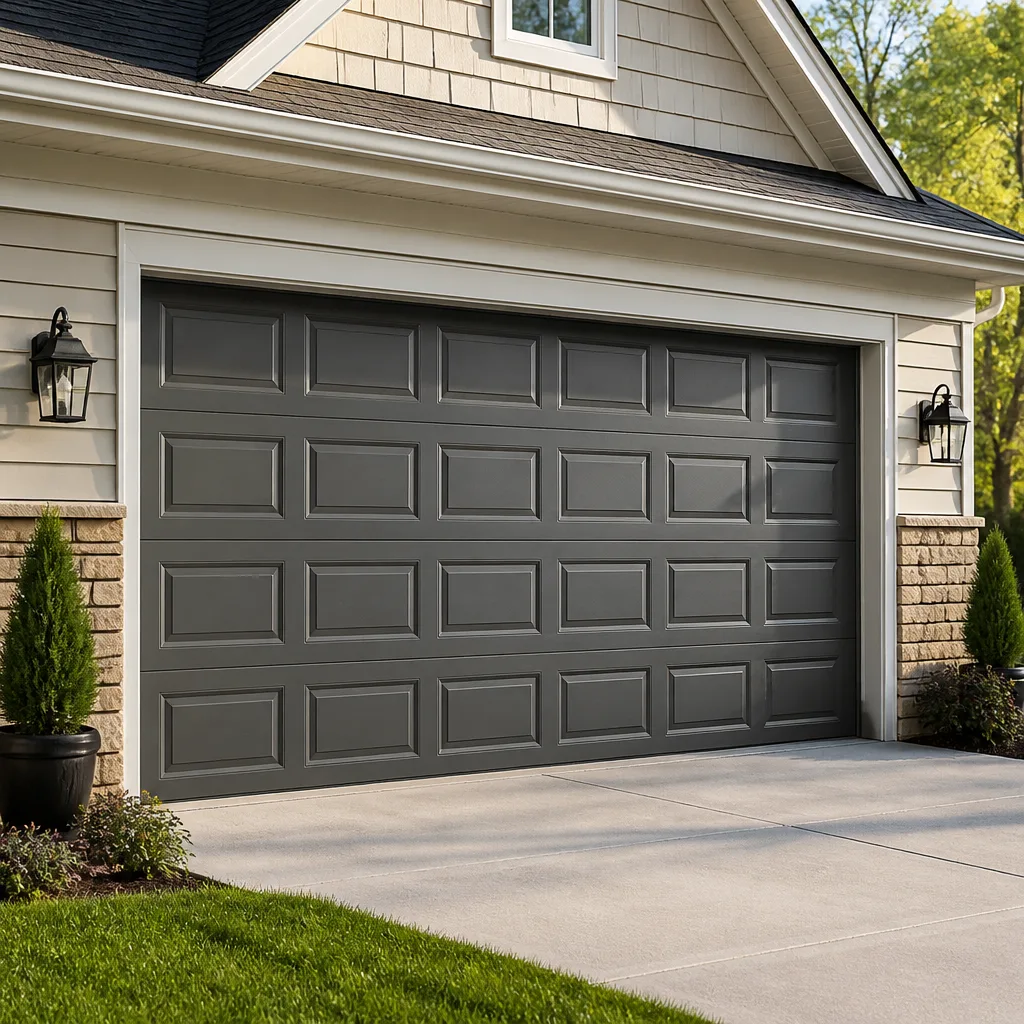 Raised-panel steel
 Carriage house
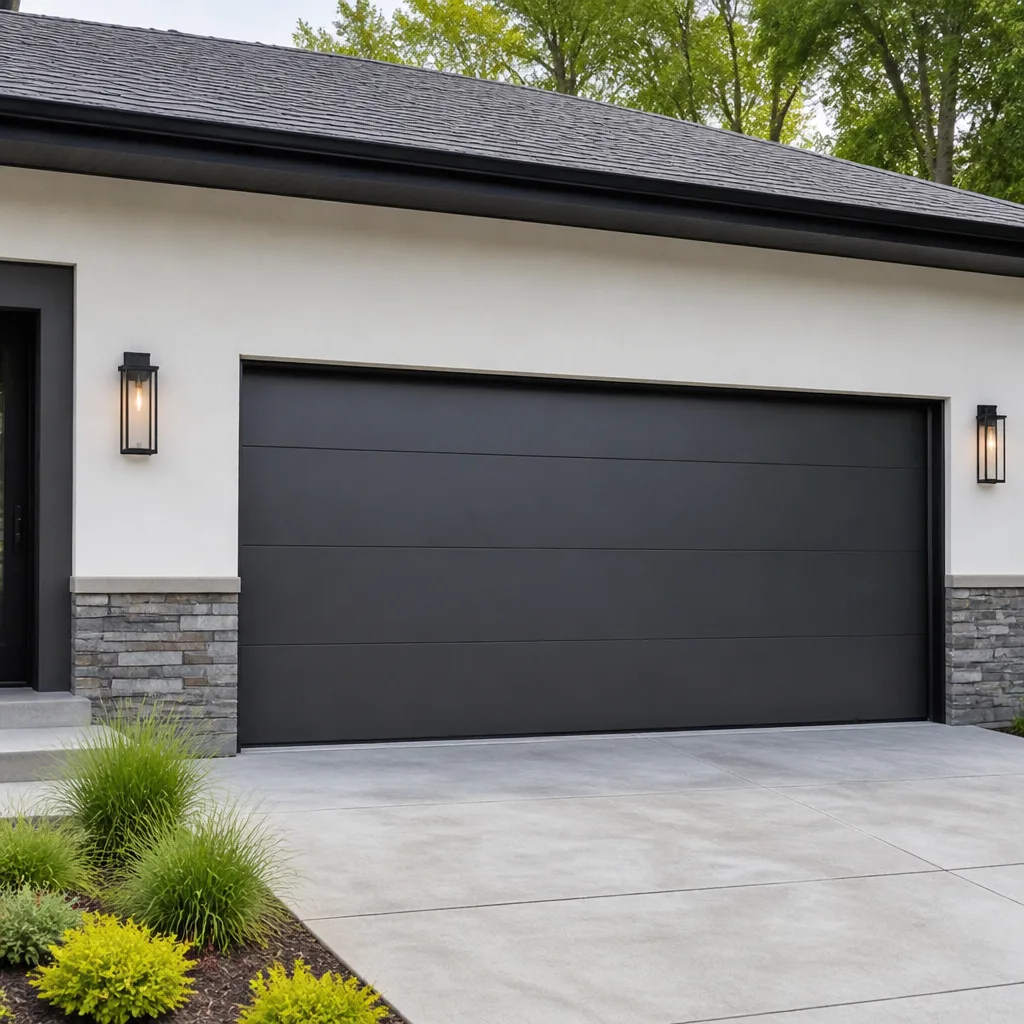 Modern flush
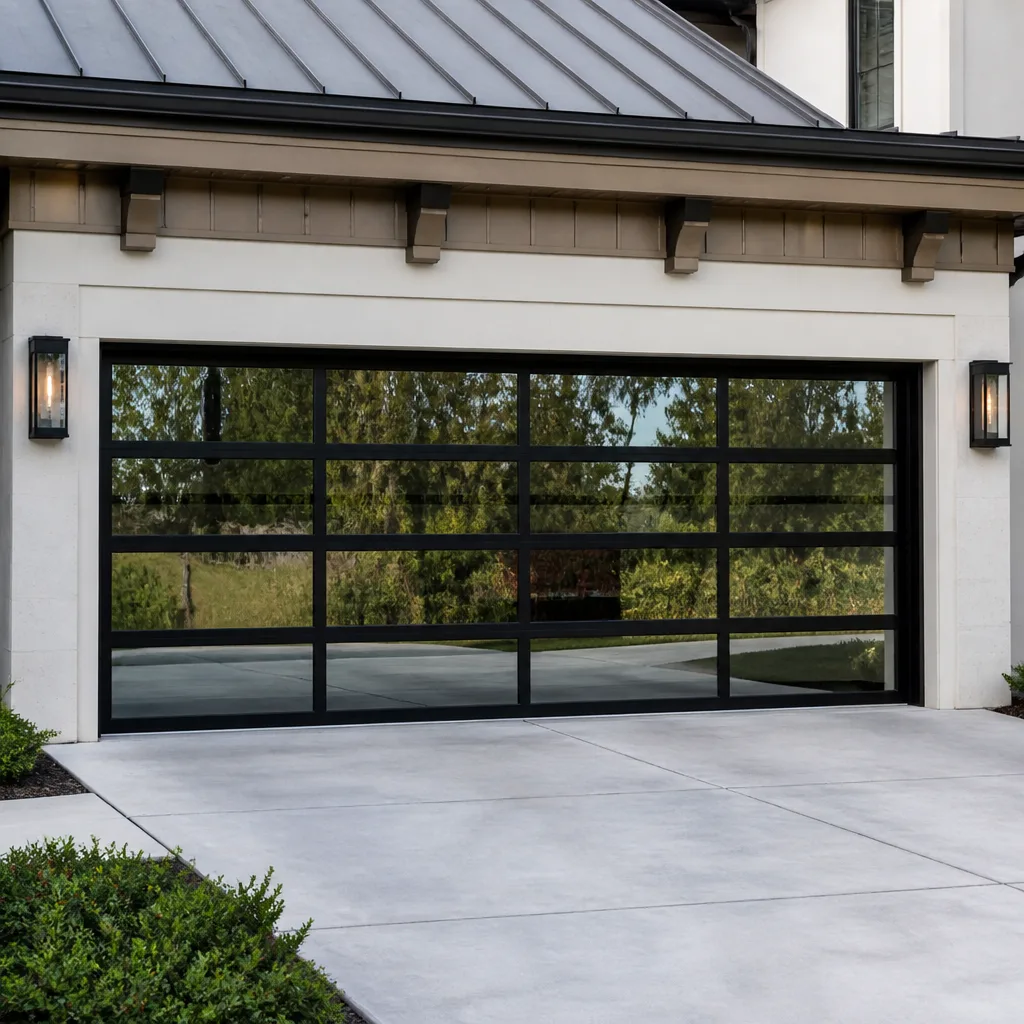 Full-view glass
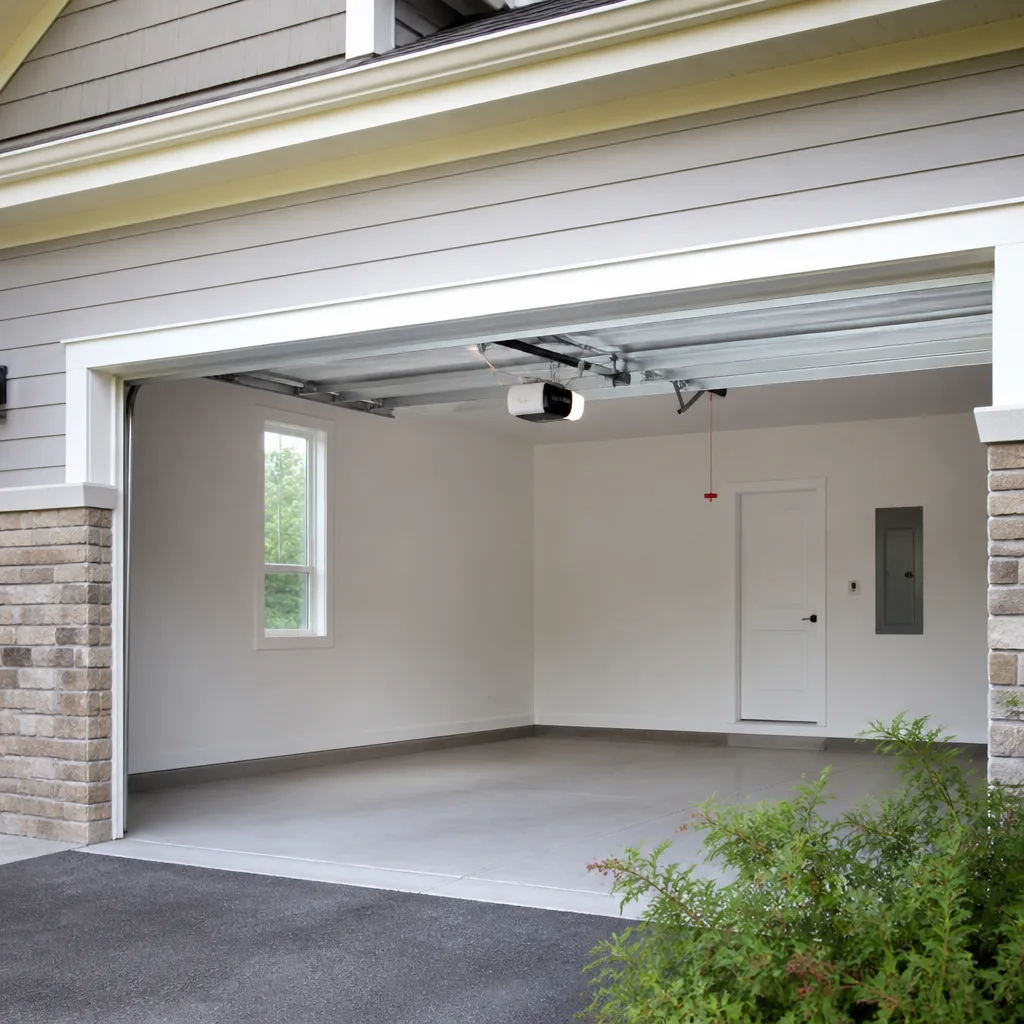 LiftMaster openers
 Chamberlain openers
Full 25-point door and opener safety check with every visit - springs, cables, rollers, tracks, and your LiftMaster or Chamberlain opener included
You get a price before we start. It does not change when the pro arrives.
Get your free estimateGarage Door Repair Maintenance Schedule: What to Do and When
The garage door part most likely to fail in January in Waterbury isn’t the one most likely to fail in July. Yet nearly every maintenance schedule you’ll find online treats the door like it lives in a climate-controlled warehouse, with the same annual checklist applied to Phoenix, Miami, and central Connecticut alike. That’s the advice that’s easy to repeat, not the advice that’s actually useful. Your garage door is your home’s largest moving part, and here in Waterbury it works through freeze-thaw cycles, humid summers, and everything in between. What follows is a schedule built around that reality: what to check, when to lubricate, which parts live on borrowed time, and how to keep records that mean something when a technician shows up.
Styles & brands we work with
- Raised-panel steel
- Carriage house
- Modern flush
- Full-view glass
- LiftMaster openers
- Chamberlain openers
Quick Answer
A garage door needs a five-minute monthly self-check, lubrication timed to the seasons (before the first hard freeze and again in fall), a hardware inspection after winter, and a professional tune-up roughly once a year. In Waterbury’s four-season climate, the spring thaw and the fall pre-freeze window matter more than any single annual appointment, because the stresses on springs, cables, rollers, and opener drives shift with the weather. Keep a written log of what you check and when, and most developing problems get caught long before the door stops working.
Table of Contents
- Why a Once-a-Year Tune-Up Misses the Point in Waterbury
- The Five-Minute Monthly Self-Check (No Tools Required)
- Spring: Post-Winter Inspection and Thaw-Season Watch
- Summer: Humidity, Heat, and the Wood Door Problem
- Fall: Pre-Freeze Lubrication Timing
- Winter: Cold-Weather Operation and What to Leave Alone
- Lubrication Specifics: What Gets Greased and What Never Does
- Component Lifespan Benchmarks: Maintain vs. Replace
- How to Document Maintenance So It Actually Means Something
- Common Mistakes to Avoid
- When to Call a Professional
- Frequently Asked Questions
- The Bottom Line
Why a Once-a-Year Tune-Up Misses the Point in Waterbury
A single annual tune-up is the advice the industry repeats because it’s simple to sell and simple to schedule. It’s also built on the assumption that a garage door’s operating environment holds steady all year. In Waterbury, it doesn’t. The door on a Waterbury house faces four genuinely different seasons, and each one loads the system differently. Springs that felt fine in October can pop on the first cold morning in January. Rollers that ran quietly all winter can start grinding by August as bearings dry out in the heat. A checklist designed for a mild, stable climate will always miss those shifts.
Think about what the door actually endures across a Waterbury year. Winter brings repeated freeze-thaw cycles as daytime melt refreezes overnight, and that fluctuation works on metal hardware, seals, and lubricants. Summer brings stretches of heat and humidity that swell wood panels and stress opener motors running longer cycles with the family coming and going. Spring and fall are the transition windows, and they’re when maintenance has the most leverage: catch worn hardware in April before it fails in July, and lock in lubrication in October before the cold sets in.
The other piece competitors skip is that not every part ages on the same clock. Springs, rollers, cables, and opener drives each wear at their own rate, and a schedule that treats them identically will either over-maintain some parts or ignore others until they fail. A door assembly from a brand like Clopay or Amarr and an opener from Genie or LiftMaster are built differently and show wear differently. Matching the maintenance to the component, and to the season, is the whole point.
This guide walks the full year, season by season, then digs into the specifics that actually matter: lubrication, lifespan, and record-keeping. If you’d rather have a specialist handle the annual work, our garage door repair service covers the mechanical side, and our garage door opener repair covers the electronics. Both are worth knowing about as you read.
The Five-Minute Monthly Self-Check (No Tools Required)
Most developing garage door problems give warning signs weeks before they become a breakdown, and a handful of them are visible in about five minutes with no tools. Do this once a month, ideally the same day each month so it becomes habit. It catches the large majority of issues early, before they turn into a door that won’t open.
- Watch and listen as the door opens. Stand back and observe the full cycle. The door should move smoothly and evenly, without jerking, hesitating, or pausing partway. Listen for grinding, squealing, or a rhythmic thumping. Any new sound is information.
- Check the balance by hand. With the door closed, pull the release handle to disconnect the opener, then lift the door halfway and let go. A properly balanced door stays roughly where you put it. If it slams down or drifts, the springs or their tension need attention from a professional.
- Look at the rollers and hinges. A visual scan for cracked rollers, loose hinges, or hardware that looks bent or misaligned. You’re looking, not adjusting.
- Test the safety reverse. Place a roll of paper towels or a small box flat on the ground in the door’s path and close the door. It should reverse on contact. If it doesn’t, stop using the door and get it looked at; that’s a safety function, not a convenience.
- Check the weather seal along the bottom. Run your hand or eye along the bottom edge. A seal that’s cracked, torn, or flattened lets in water, cold air, and pests, and it’s one of the cheapest things to stay ahead of.
- Look at the tracks. Glance at the vertical and horizontal tracks for visible bends or debris. Don’t try to bend them back yourself; note it and mention it to a technician.
That’s it. No tools, no disassembly, nothing that puts your hands near a moving door under tension. What you’re doing is building a baseline, so that when something changes, you notice.
Spring: Post-Winter Inspection and Thaw-Season Watch
Spring in Waterbury is the season to inspect what winter left behind. Months of freeze-thaw cycles put real stress on the system: metal contracts and expands, seals stiffen, and moisture finds its way into places it doesn’t belong. When the ground thaws and the temperature swings back and forth, this is when worn hardware from the winter shows up as noise, binding, or a door that no longer closes flush.
The priorities for a spring inspection:
- Check the bottom seal and side seals. Water and melt from the winter can leave the bottom seal cracked or pulled away. A worn seal lets moisture in and can let the door sit unevenly.
- Inspect hinges and roller brackets for rust. Repeated wet-freeze-dry cycles are hard on fasteners. Surface rust is normal; heavy corrosion or seized hinges are not.
- Look at cables for fraying. Cables under tension that have frozen and thawed all winter deserve a close visual check. Fraying means a cable is on its way out. Leave cable work to a professional; these are under high tension.
- Test the door’s balance again after a winter of heavier use. Springs that were marginal in fall often reveal themselves in spring.
- Clear the tracks of grit and debris that winter winds and melt carry in. Wipe them clean; don’t lubricate them (more on that below).
If the door was sluggish, noisy, or reluctant to close all winter, spring is when to get it looked at. Catching a worn spring, cable, or hinge in April means it doesn’t fail in July, when you’re least prepared for a door that won’t shut. A technician can run through the mechanical system quickly and tell you what’s genuinely worn versus what’s just noisy. For a Waterbury homeowner who may not have had the door inspected in a while, spring after a hard winter is a natural checkpoint. If you’d like the full picture of what we cover on the mechanical side, our Ambassador Garage Door Repair page lays it out.
Summer: Humidity, Heat, and the Wood Door Problem
Summer is the softest season for most garage doors, but it’s the hardest on one specific type: wood. Waterbury’s summer humidity does things to a wood door that a steel or aluminum door never experiences. Moisture in the air is absorbed by the wood, which swells and contracts as humidity rises and falls. Over a summer, that swelling shows up at panel joints, around the trim, and where the door meets the frame. Paint and finish are the first line of defense, and a summer that catches a peeling panel or a joint opening up is far cheaper than discovering rot a couple of summers later.
Here’s what to watch through the warmer months:
- Wood doors: Check the finish on the bottom edge and the end grain, where moisture attacks first. Look for bubbling paint or finish failure, and reseal when you find it. This is the single most important summer task for a wood door.
- Opener load: Heat and humidity make a door fractionally heavier to move, and openers work harder. If you notice the opener straining or running longer cycles, the door’s balance or the opener’s force setting needs a look.
- Roller bearings: Heat can thin out old lubricant, and dry bearings start to grind. If your rollers get louder in the summer heat, that’s the reason.
- Sun exposure: Panels and seals on a south- or west-facing door take direct sun and heat all season. Watch for faded paint, warped panels, or a seal that hardens and cracks.
None of this is dramatic, which is exactly why it gets skipped. A peeling bottom edge on a wood door is a five-minute fix in July and a replacement panel in a couple of years. If your door is a wood model from a maker like Clopay or Amarr, or a steel model with a wood-look finish from Wayne Dalton, the summer humidity routine deserves a spot in your schedule.
Fall: Pre-Freeze Lubrication Timing
The most important single task in a Waterbury garage door calendar is the pre-freeze lubrication, and the timing is what makes it work. You want to lubricate before the first hard freeze, not after. Once temperatures drop, cold stiffens seals and thickens some lubricants, and a door that’s already tight or dry gets noticeably harder to operate as the season sets in. Get the lubrication done in fall while temperatures are still moderate, and the product has a chance to work into the moving parts before the cold locks everything down.
Timing guidance for a central Connecticut fall:
- Watch the forecast for the first hard freeze. You want your lubrication done ahead of it, not scrambling the morning the door sticks. Late fall, while days are still reasonably warm, is the window.
- Lubricate the moving parts that need it: hinges, roller stems and bearings, and the metal pivots. (See the lubrication section for specifics.)
- Inspect the weather seal again. A seal that’s held up all summer may be fine; one that cracked in the heat needs replacing before winter starts pushing cold air and meltwater under the door.
- Listen for anything new. A squeak or grind that appeared over the summer is worth addressing before the door spends months working harder in cold weather.
- Test the door’s balance one more time. You’re heading into the season when springs fail most often, so know where you stand.
Why does the timing matter so much? Because the first cold snap is when a dry hinge turns stiff, when a marginal spring announces itself, and when a door that ran smoothly all summer suddenly feels heavy. Doing the fall work before that moment means the winter passes quietly. Doing it late means the door struggles through the worst of the cold. Fall is also the natural time to book the professional annual tune-up, so the specialist can check the mechanical system before winter. Our Waterbury overview gives you a sense of what we cover on a proper inspection.
Winter: Cold-Weather Operation and What to Leave Alone
Winter is the season to operate carefully and diagnose early, not the season to start adjusting things yourself. Cold temperatures make springs brittle, seals stiff, and metal less forgiving. The door that ran fine in October now has less margin for problems, and that’s why winter is when failures show up. Your job in winter is to watch, listen, and call for help when something changes, not to take the door apart.
Winter operating guidance:
- Clear snow and ice from the door’s path and the bottom seal before opening. Opening a door over frozen snow or ice can strain the opener and bend the bottom panel. This is the most common avoidable winter problem.
- Don’t force a door that’s frozen shut. If the bottom seal is stuck to the ground, forcing the opener can damage the cable, the panel, or the opener itself. Break the seal free gently first.
- Listen for springs on the coldest mornings. Springs fail most in cold weather. A sudden bang from the garage when the door is quiet, or a door that won’t balance at all, usually means a spring has broken. Stop using the door and call a professional.
- Watch the opener’s force setting. Cold makes the door heavier to move. A properly adjusted opener handles it, but one that’s already near its limit will struggle. If it reverses on its own or seems to strain, that’s a sign to get it checked.
- Leave the springs and cables to a technician. These are under high tension and are responsible for serious injuries every year to people who try to adjust them. A trained professional handles them safely.
Springs and cables are the parts of a garage door that genuinely hurt people, so a real expert will tell you plainly: don’t touch them. Everything else in winter is about prevention and early diagnosis. Keep the path clear, listen for changes, and call when something’s off rather than waiting for the door to fail completely.
Lubrication Specifics: What Gets Greased and What Never Does
Lubrication is the most misunderstood part of garage door maintenance. The common instinct is “more is better” and “grease everything that moves,” which is exactly wrong. Some components need regular lubrication. Some need none at all. And a few actively fail faster when lubricated. Getting this right protects the door; getting it wrong can wear parts out or attract grit that grinds them down.
What should be lubricated:
- Hinges at their pivot points. A small amount of a garage-door-specific or white lithium lubricant on the metal pivot of each hinge. This is where most squeaks come from.
- Roller stems and bearings. A few drops on the metal stem and bearing, not on the roller face itself.
- The springs. A light coating on torsion springs reduces friction and noise. Use it sparingly; you’re not coating the spring, just dressing it.
- Metal pivot points and bearing plates. The metal-on-metal contact points benefit from a light application.
What should never be lubricated:
- The tracks. This is the number one mistake. The door’s rollers are designed to roll within the track, not slide. Greasing a track makes it a magnet for dust, grit, and debris, which then clogs the rollers and wears them out. If a track is noisy, clean it, don’t grease it.
- The roller faces. The rubber or nylon surface should run clean against the track. Don’t coat it.
- The weather seal. A silicone spray can keep the seal from sticking, but household grease or oil will degrade the rubber. Use the right product or leave it.
Which products hold up in cold weather: This is where the schedule matters most in Waterbury. A general-purpose household grease can thicken and gel in cold temperatures, turning a smooth door into a stiff one. A garage-door-specific lubricant or a white lithium product stays workable in the cold and lasts through a winter. Use the wrong product in fall and you’ll spend the winter fighting a door that feels heavy. When in doubt, ask what’s appropriate for your climate; a lubricant built for cold weather is worth the small extra cost over a warm-weather household product.
Component Lifespan Benchmarks: Maintain vs. Replace
Not every part of your garage door ages on the same clock. Springs, rollers, cables, and opener drives each have a different lifespan, and knowing the benchmarks tells you when maintenance is the right move and when you should start budgeting for a replacement. These are general estimates, not exact predictions. How a door is used, how well it’s maintained, and the local climate all shift the numbers.
- Torsion springs: The most heavily loaded part of the system and the most likely to fail. Typically rated for a set number of open/close cycles. In a home where the garage is the main entry, the door cycles many times a day, which wears springs faster. Springs are also the part most affected by cold-weather failure.
- Rollers: Sealed-bearing nylon rollers tend to outlast plain steel rollers. Dry or worn rollers are noisy and increase drag on the opener. Replacing a worn set is a routine maintenance item, not a crisis.
- Cables: Galvanized steel cables last a long time but are subject to fatigue and fraying, especially where they run over pulleys. A fraying cable is a replace-now item, not a maintain item.
- Opener drive systems: Belt drives run quieter and typically last longer than chain drives or screw drives. The opener motor and gear case have their own lifespan; a Genie or LiftMaster opener that’s straining, running longer cycles, or making new noises may be nearing the end of its drive life.
- Panels and finish: Steel and aluminum panels hold up well with care; wood panels depend almost entirely on finish maintenance. A wood door that gets resealed on schedule can outlast a neglected one by years.
The practical takeaway: a worn roller is a low-cost replacement you can plan for; a tired spring near the end of its cycle count is a call-it-in item; and an opener that’s failed repeatedly may be ready to replace rather than repair. Knowing which category you’re in keeps you from over-maintaining a part that’s done, and from ignoring a part that’s about to go. If your door assembly is aging and you’re weighing repair against replacement, our installation service and the team behind Ambassador Garage Door Repair can help you think it through.
How to Document Maintenance So It Actually Means Something
A service history is only useful if it’s specific. A scribbled “fixed door” tells a technician nothing. What you want is a record that answers the questions an expert will actually ask: what was done, when, by whom, and with what parts. That’s the difference between a log that helps and a note that gets thrown away.
Here’s a simple record to keep:
- Date and season. Note when each check or service happened, and which season it fell in. Waterbury’s seasons change the diagnosis, so the timing is real information.
- What was observed. “Squeak at the second hinge from the left” or “door slows about a foot from the top” is far more useful than “noisy.” Specifics let a technician pick up where you left off.
- What was done. Lubrication, a replacement roller, a seal swap, a spring replacement, an opener adjustment. Note brand and type if you know it.
- Who did it. Self-check or professional service. If a professional did the work, keep the written estimate and the invoice together.
- Parts replaced. Record the part and, if it’s on the invoice, the brand. Knowing a spring is a matched pair replacement or that a roller set is nylon-sealed helps the next technician plan.
Keep the log somewhere you’ll actually find it, like a folder in the garage or a note on your phone. When a technician arrives, hand them the record. They can see what’s been done recently, spot patterns (the same hinge squeaking every fall, a door that gets noisier each winter), and avoid repeating work or missing something that’s overdue. That continuity is what a real service history buys you, and it’s worth five minutes a season to maintain.
Common Mistakes to Avoid
- Greasing the tracks. This is the single most common garage door mistake. The tracks should be clean and dry, never lubricated; grease attracts grit and wears the rollers faster.
- Doing the fall lubrication too late. In Waterbury, waiting until after the first hard freeze defeats the purpose. Lubricate before the cold sets in, not after.
- Forcing a frozen or sticking door. If the door is stuck or heavier than usual, forcing it strains the opener, cable, and panel. Diagnose before you operate.
- Adjusting springs or cables yourself. These are under very high tension and cause serious injuries every year. Leave spring and cable work to a trained professional.
- Applying warm-weather household grease. A lubricant that’s fine at room temperature can gel in cold weather and make your door harder to operate all winter. Use a product built for the climate.
- Ignoring a small balance problem. A door that drifts instead of holding halfway is telling you the springs are tired. Catching it early means a planned repair rather than a cold-morning failure.
- Skipping the doc. Not writing down what was done and when means you repeat maintenance you didn’t need and miss what’s overdue. Five minutes with a log saves a lot of guesswork.
When to Call a Professional
Some jobs are genuinely for a technician, not a weekend checklist. Call a professional if a spring has broken (you’ll often hear a loud bang and find the door won’t open or won’t balance), if a cable is frayed or loose, if the door comes off its track or won’t close flush, if the opener reverses on its own or strains to lift a door that used to move easily, or if the safety reverse fails to trigger. Any of those is a stop-using-it situation; a trained person handles it safely and diagnoses the underlying cause. The five-minute monthly check and the seasonal lubrication are things most homeowners can do themselves, but the moment the door stops behaving predictably, that’s when a specialist earns their keep. Ambassador Garage Door Repair offers free estimates in Waterbury – call (844) 783-9136. We work on whatever’s already in your driveway, and we cover the full system from the opener to the door itself.
Frequently Asked Questions
Once a year for a professional tune-up, plus a five-minute self-check every month and lubricant timed to the seasons. In Waterbury’s four-season climate, the fall pre-freeze lubrication and the spring post-winter inspection are the two checkpoints that matter most, because that’s when the stresses on springs, cables, and hardware shift. Call (844) 783-9136 for a free estimate on a tune-up.
Broken springs. Cold temperatures make springs more brittle, and the freeze-thaw cycles of a Waterbury winter put extra stress on them. A door that suddenly won’t open, won’t balance, or makes a loud bang when it’s quiet usually means a spring has failed. Stop using the door and call a professional; spring work is not a DIY job. Call (844) 783-9136 to get it looked at.
No. The tracks should be cleaned and left dry, never greased. Lubricating them attracts dust and grit that clogs the rollers and wears them out faster. Lubricate the hinges, roller stems, and springs instead, and leave the tracks clean. If you’re not sure what needs grease and what doesn’t, a technician can walk you through it during a tune-up.
It depends on the part. A worn roller is a low-cost replacement you can plan for; a frayed cable should be replaced right away; a spring near the end of its cycle count is a replace item. Opener drives have their own lifespan. If a part has failed repeatedly or is clearly at the end of its service life, replacement makes more sense than another repair. A free estimate will tell you which category you’re in.
You can do the monthly self-check and the seasonal lubrication yourself: watch the door cycle, test the balance, check the seal, lubricate the moving parts. Leave spring and cable work, track repairs, and opener adjustments to a professional. Those involve high tension or electrical components that cause serious injuries when handled by someone unfamiliar with them.
Yes. Wood doors are far more affected by summer humidity than steel or aluminum doors. Moisture causes the wood to swell and contract, which stresses joints and finish. Check the finish on the bottom edge and end grain each summer and reseal when it starts to fail. A well-maintained wood door from a maker like Clopay or Amarr can last a long time; a neglected one won’t. Call (844) 783-9136 if you want a professional to assess the finish and hardware.
The Bottom Line
A garage door maintenance schedule built for Waterbury isn’t the once-a-year checklist you’ll find on most sites. It’s a monthly five-minute self-check, lubrication timed ahead of the first freeze, a post-winter inspection in spring, humidity care for wood in summer, and careful operation through the cold months. Know which components have their own clocks, lubricate the right parts with a cold-weather product (and never grease the tracks), and keep a service log that actually tells a technician something. Do those things and you’ll catch problems while they’re still cheap to fix, and your door will spend the year doing what it should. When something’s off, our technicians have up to 15 years of experience and we specialize in both the door and the opener. Call (844) 783-9136 for a free estimate. We answer 24/7. Fast dispatch from 7am to 7pm, Sunday through Friday.
Written by the team at Ambassador Garage Door Repair.
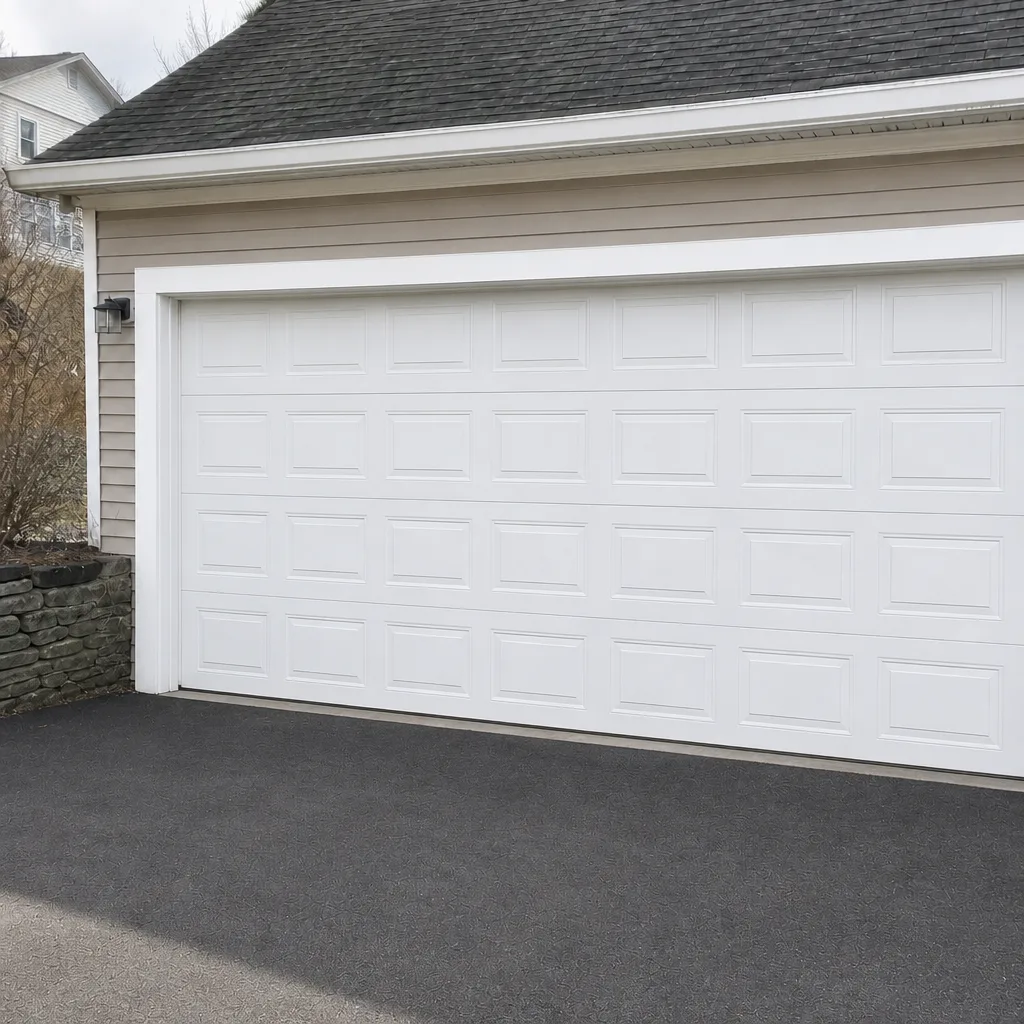
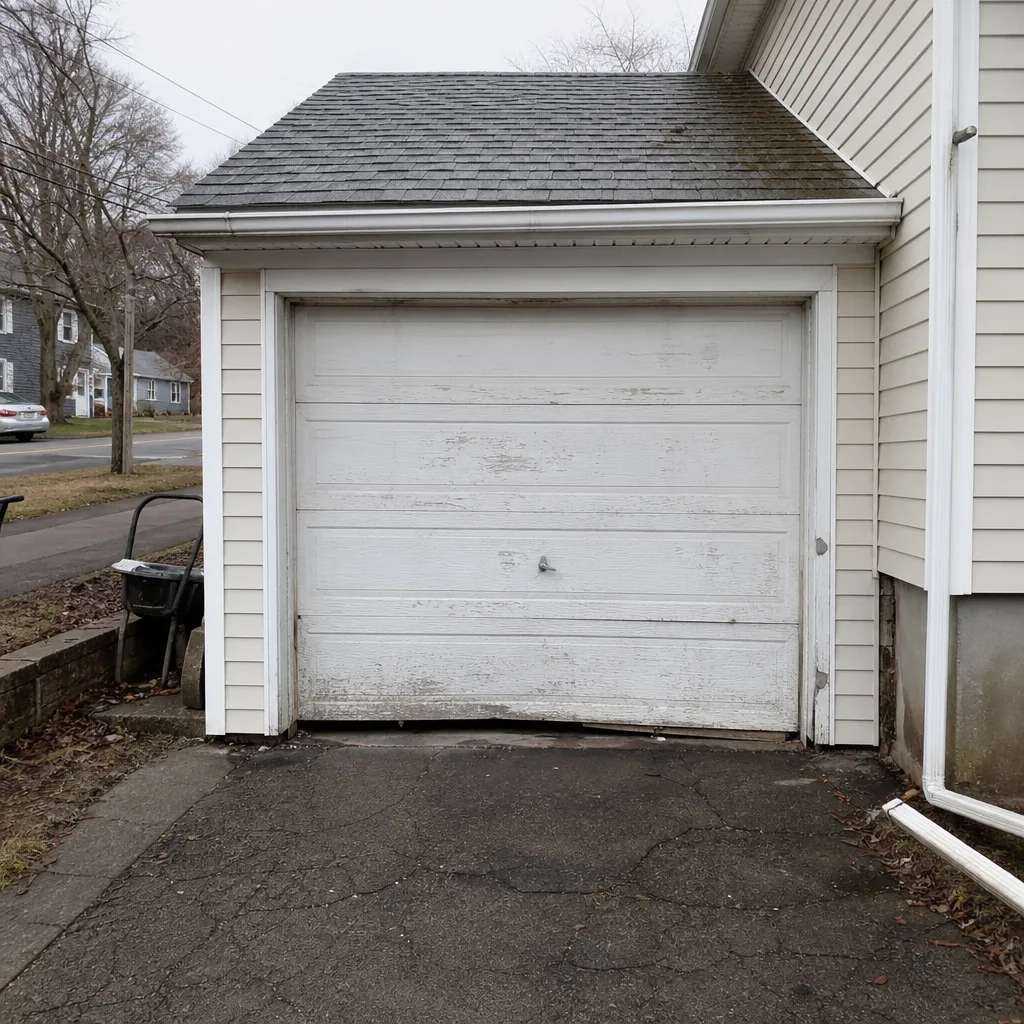
See the difference
 Before
 After
 Before
 After
 Before
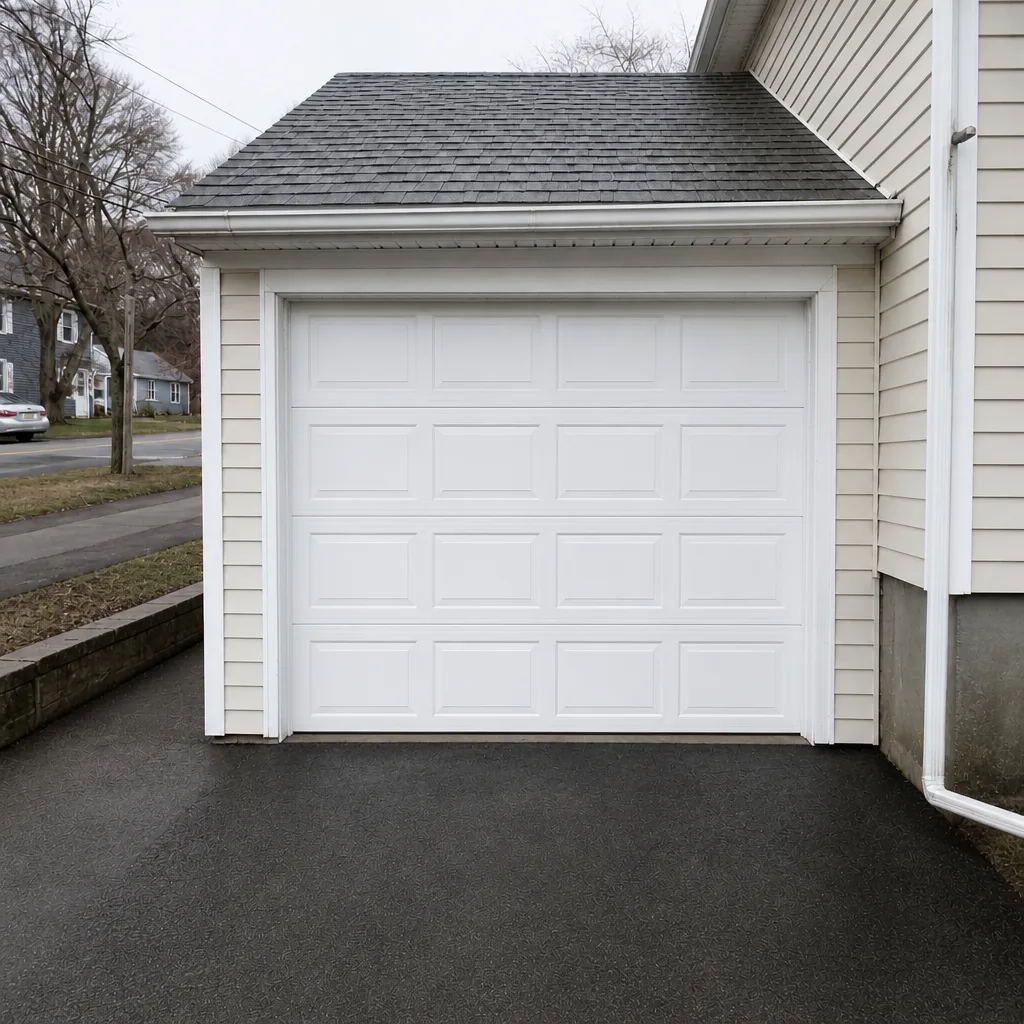 After