
Last updated November 15, 2026
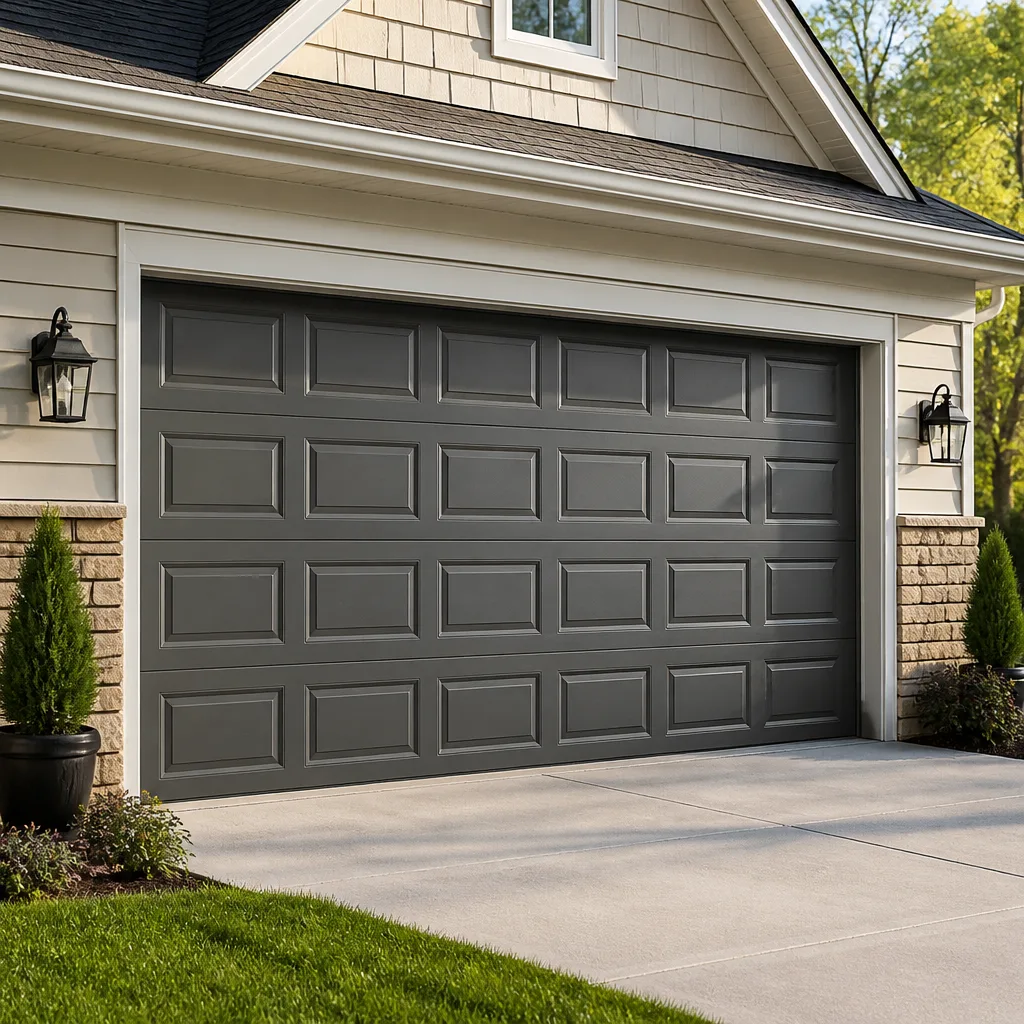 Raised-panel steel
 Carriage house
 Modern flush
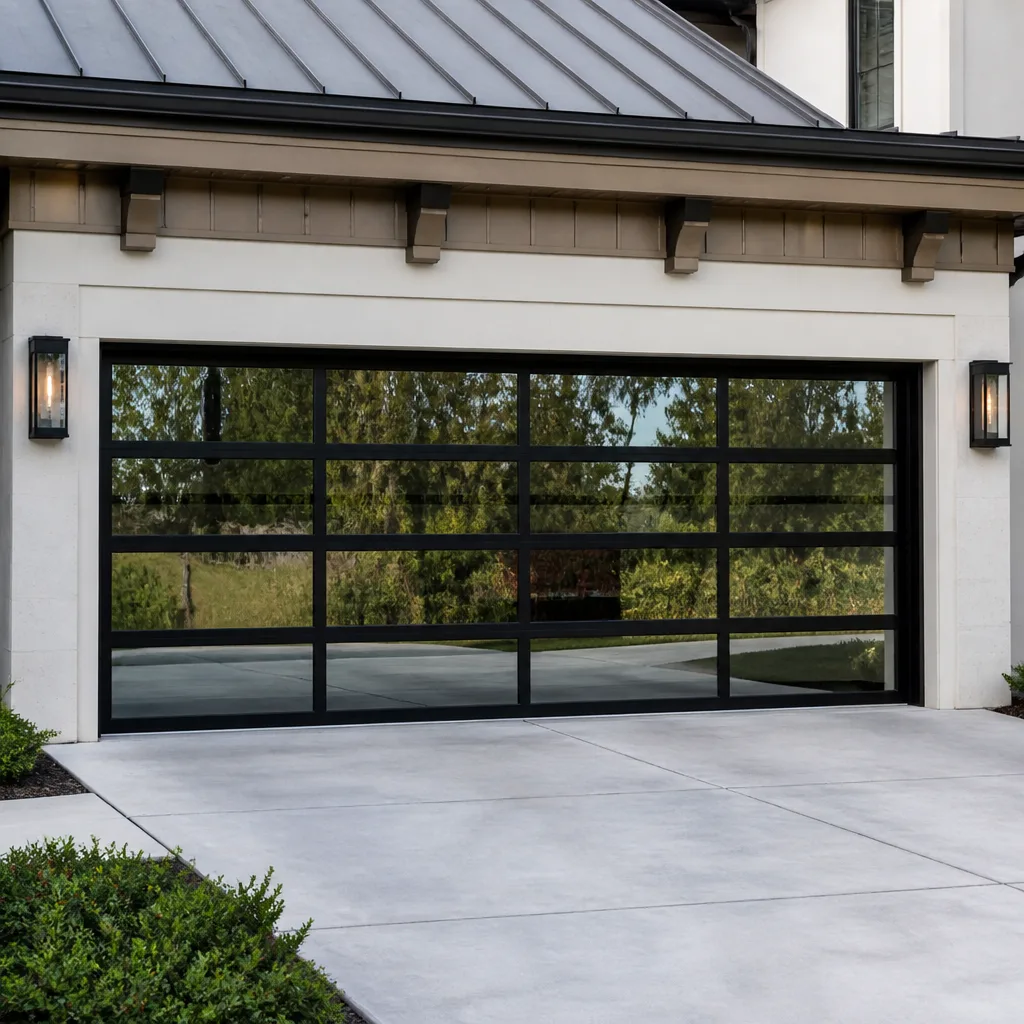 Full-view glass
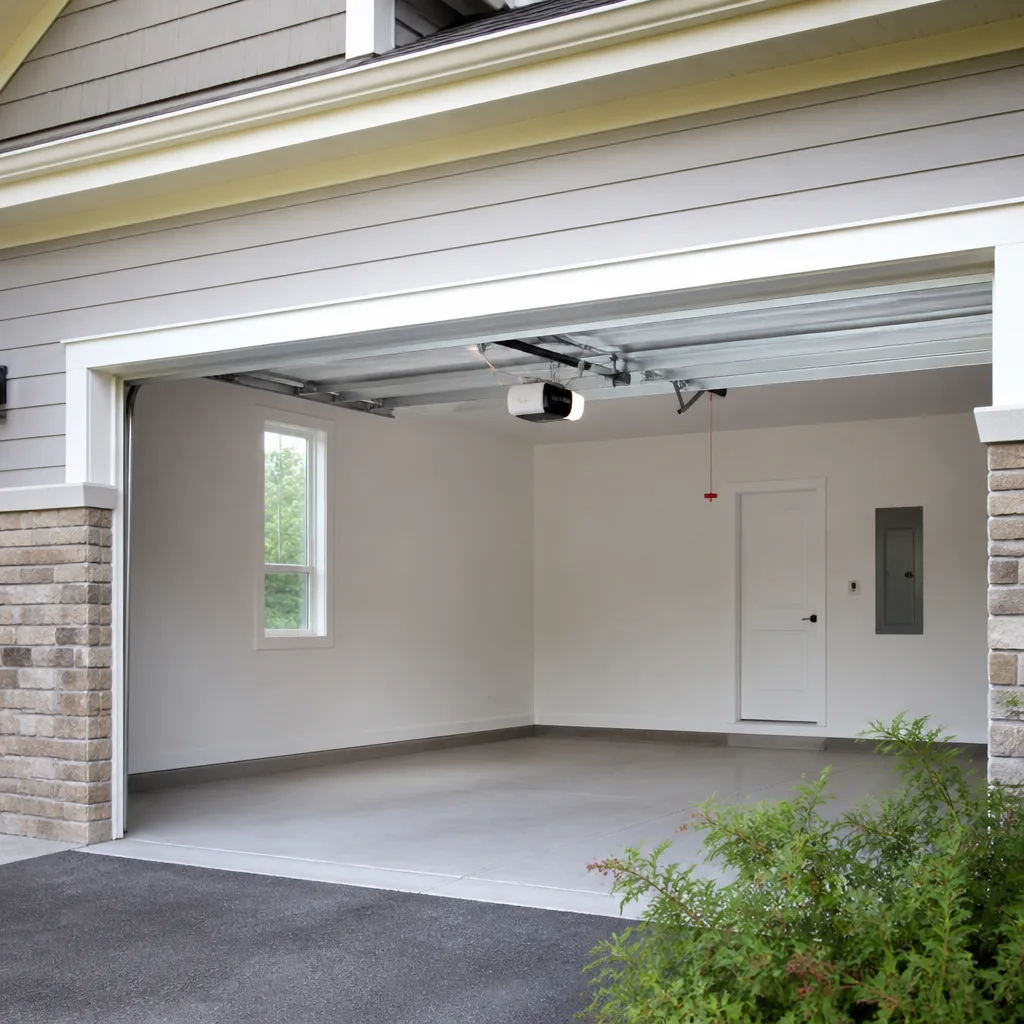 LiftMaster openers
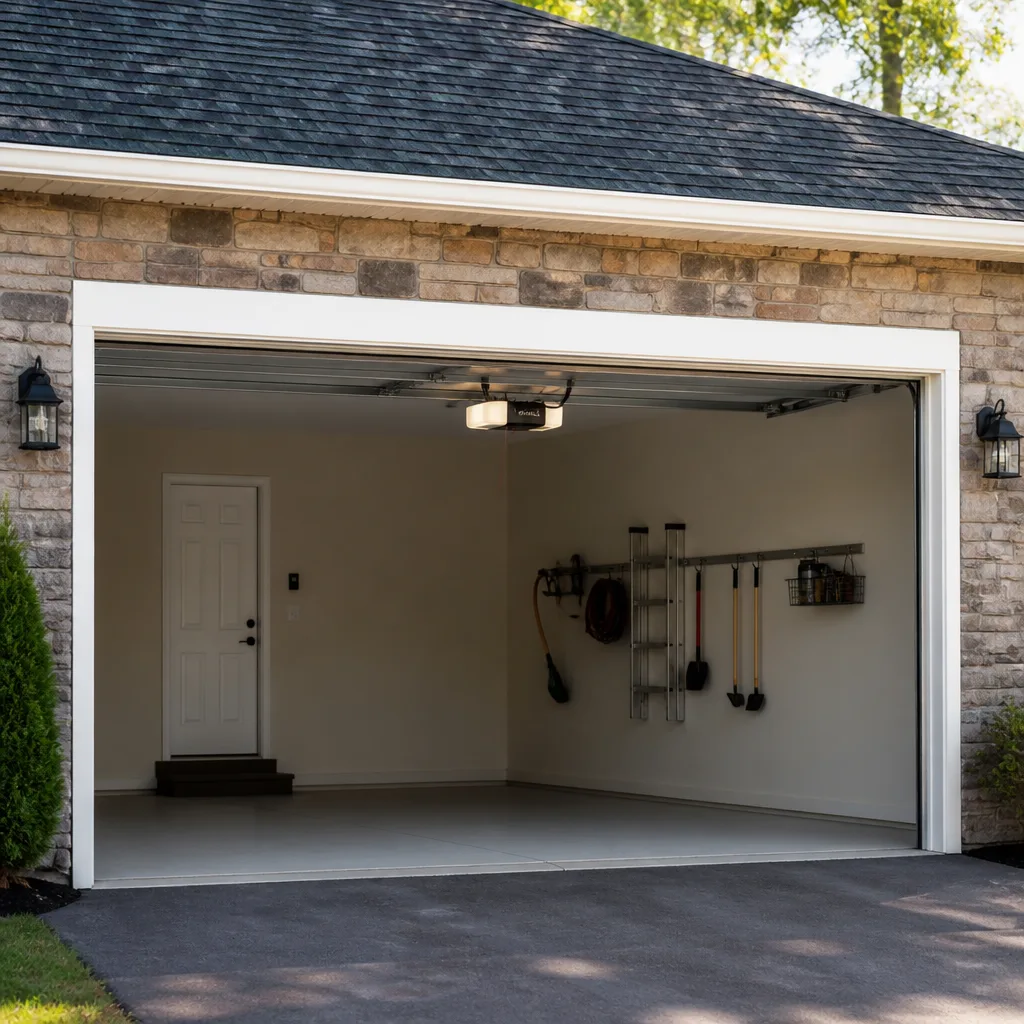 Chamberlain openers
Full 25-point door and opener safety check with every visit - springs, cables, rollers, tracks, and your LiftMaster or Chamberlain opener included
You get a price before we start. It does not change when the pro arrives.
Get your free estimateGarage Door Emergency Preparedness Guide for Waterbury Homes
Most garage door failures don’t announce themselves. They happen at the worst moment: a nor’easter knocks the power out, the temperature drops into single digits, and the door that worked fine last week won’t budge. Here’s the counterintuitive part. The emergency you’re preparing for usually isn’t the door breaking. It’s not knowing the manual release, yanking the wrong cord, or forcing a door that’s lost spring tension and can’t safely move. This guide gives Waterbury homeowners a real protocol: how the release works on the opener you actually own, what to do when a door stalls mid-travel, how to handle winter freeze-ups, and what to tell a technician so the first visit fixes it.
Quick Answer
A garage door emergency in Waterbury is best handled in three steps: disengage the opener with the manual release cord (never force the door), get vehicles out safely, then secure the door so it can’t drop or be opened from outside. For lost spring tension, broken cables, or a door hanging off its track, stop and call a specialist. Ambassador Garage Door Repair offers free estimates and can be reached at (844) 783-9136.
Styles & brands we work with
- Raised-panel steel
- Carriage house
- Modern flush
- Full-view glass
- LiftMaster openers
- Chamberlain openers
Table of Contents
- What to Do During a Power Outage
- The Manual Release, Step by Step
- When the Door Stops Mid-Travel
- Winter Emergencies: Frozen Seals and Ice-Jammed Tracks
- Securing a Door That Lost Spring Tension
- What to Tell a Technician When You Call
- Pre-Season Checks That Prevent Emergencies
- Common Mistakes to Avoid
What to Do During a Power Outage
When the power goes out, your opener is dead but your door isn’t. Every automatic opener has a manual release that disconnects the door from the motor so you can lift it by hand. The problem is that most people learn this for the first time while standing in a dark garage, in a hurry, pulling the first cord they find. In our experience, that’s how doors get damaged and people get hurt.
Here’s the safe order of operations during an outage in Waterbury:
- Stop and locate the release cord. It hangs from the trolley on the rail above the door, usually with a red handle. If you’ve never used it, don’t guess. Look before you pull.
- Make sure no one is under the door. A disconnected door is no longer held by the motor. It moves on spring tension alone.
- Pull the cord straight down and toward the door to disengage the trolley. You’ll hear or feel a click.
- Lift the door by hand slowly. If it feels extremely heavy or won’t stay up, stop. That signals a spring problem, not a power problem.
- Re-engage when power returns by running the opener once, which reconnects the trolley on most systems. If it doesn’t catch, call a specialist.
LiftMaster and Chamberlain openers, which are among the most common in Waterbury homes, use a trolley release that works this way. Craftsman units follow the same principle. Knowing your specific model before an outage is the difference between a calm two-minute job and a damaged door.
The Manual Release, Step by Step
The manual release is the single most important piece of emergency knowledge a homeowner can have, and it’s the one most people never practice until they need it. If you own a LiftMaster, Chamberlain, Genie, or Craftsman opener, the release is a cord hanging from the trolley. Some Wayne Dalton and Raynor systems mount the release differently, so confirm yours before an emergency, not during one.
Here is the general sequence that works across the most widely installed openers:
- Close the door fully first. The release is designed to work with the door down, when spring tension is lowest.
- Pull the release handle down and toward the door. This slides the trolley out of the carriage.
- Test the door by hand. Lift it partway. A properly balanced door lifts with one hand and stays put.
- If it’s heavy, don’t force it. A door that won’t lift easily with the release engaged has a spring or cable issue. That’s a call-the-specialist signal.
- To reconnect, run the opener once and the carriage should re-latch to the trolley. If the door doesn’t resume normal travel, the release may be stuck or the opener needs attention.
One safety note that matters: never stand directly under a door while testing the release. If a spring has quietly failed, the door can drop fast. The release is a tool for getting your car out, not for diagnosing a broken door.
When the Door Stops Mid-Travel
Sometimes the door goes up halfway and just stops. The opener keeps running or the light blinks, but the door doesn’t move. This is one of the most common emergency calls we hear about in Waterbury, and the safe response is almost always the same: stop pressing the button.
When a door stalls mid-travel, resist the urge to hit the remote repeatedly. Each press re-engages a motor against a stuck door, which can burn out the opener or snap a cable under load. Here’s the safe sequence to get your car out without making it worse:
- Stop operating the opener. Let it sit for a minute.
- Check the obvious culprits first. Look for a photo-eye sensor knocked out of alignment, a track with debris, or an object under the door path.
- If the door is stuck open and blocking your car, use the manual release (only if the door is fully open and stable) to free the vehicle.
- If the door is stuck partway up, do not force it down by hand. A door frozen mid-travel can have a binding track or a failing spring, and forcing it can drop it.
- If the door is stuck closed, call for a specialist. Releasing a heavy door from a closed position to move it manually risks injury if the spring is compromised.
Giving the door a minute and looking before you act prevents the majority of secondary damage. The door stopped for a reason, and finding the reason is faster than fighting the door.
Winter Emergencies: Frozen Seals and Ice-Jammed Tracks
Waterbury winters are hard on garage doors. The freeze-thaw cycle that runs through Connecticut means the bottom seal can freeze to the floor overnight, and icy meltwater can refreeze inside the door tracks. Both turn a normal morning into a stuck-door morning, and both have a right way and a wrong way to handle them.
If your door is frozen to the floor:
- Don’t force the opener. A motor pulling against a seal frozen to concrete strains the opener and can strip a gear or break a torsion spring.
- Break the seal gently. Warm water along the bottom edge or a light pry with a non-metal tool loosens the bond without damaging the seal.
- Clear snow and ice away from the door’s base before trying to lift it.
If ice has jammed the vertical tracks:
- Don’t chip at the ice with a metal tool. You’ll gouge the track and the rollers won’t run true afterward.
- Let it thaw or use warm water to melt it. A track that’s been pried out of shape needs a specialist to realign.
Cold also puts strain on the opener motor. In sub-zero temps, grease thickens and a straining motor is more likely to overheat or trip its safety. If your opener sounds tired in January, that’s the time to have it looked at, before it fails with the car inside. For more on Opener trouble, see our guide to garage door opener repair.
Securing a Door That Lost Spring Tension
A garage door that has lost spring tension is dangerous in a way that’s easy to underestimate. The springs are what make a door that weighs well over a hundred pounds feel light in your hands. When one breaks, the door can become extremely heavy, slam down, or hang unbalanced and off its track. This is the one garage door emergency you should not try to manage yourself.
What to do when a spring fails:
- Keep everyone away from the door. Don’t open or close it, and don’t let anyone stand under it.
- Leave the car in the garage if the door is closed and stable. A closed, balanced door with a broken spring is safer than a partially open one.
- If the door is hanging open and unbalanced, don’t lower it by hand. Call a specialist and keep the area clear.
- Don’t run the opener. A motor pulling against a dead spring will strain or fail.
Torsion and extension springs are under extreme tension even when the door is closed. Adjusting or replacing them requires specific tools and training, and injuries from DIY spring work are serious and common. This is genuine safety territory. A specialist should handle anything involving spring or cable work. When you’re ready to have it fixed properly, our garage door repair service covers the full system, springs and cables included.
What to Tell a Technician When You Call
The quality of the first call often determines whether the first visit fixes the problem. When you call a garage door specialist during an emergency, the more specific you are, the faster the right parts and the right expertise show up. Here’s what to have ready before you dial (844) 783-9136.
- The door type and brand. Sectional, single-panel, or carriage style, and the manufacturer if you can see it (Clopay, Amarr, Wayne Dalton, Raynor and others).
- The opener brand and model. LiftMaster, Chamberlain, Genie, or Craftsman is usually visible on the motor housing. This matters because different openers have different release mechanisms and failure points.
- A description of the symptom. “Door goes up partway and stops,” “door closed but opener runs,” “loud bang and now it’s hanging” all point to different causes.
- Whether the door is open or closed, and whether a car is trapped inside.
- What you’ve already tried. If you pulled the release or pressed the button multiple times, say so.
- The garage layout, including whether the ceiling is low or obstructed, since some openers and doors need different clearances.
The right details mean the technician shows up knowing what to expect instead of diagnosing from scratch, and that saves time on a cold morning in Waterbury. If you’d rather start fresh with a new opener, our opener repair service also covers replacements.
Pre-Season Checks That Prevent Emergencies
The best garage door emergency is the one that never happens. A handful of quick checks before winter and before summer keep most failures from catching you off guard. None of these involve spring or cable work, which stays in the specialist’s hands.
- Test the manual release while the power is on and you have time. Make sure the trolley disengages and re-engages smoothly.
- Check the balance with the door closed and the release engaged. A balanced door should lift with one hand and stay put. If it’s heavy, the springs are weakening.
- Look at the tracks for dents, debris, or ice buildup before the cold sets in.
- Inspect the bottom seal for cracks or gaps that will grab the floor once it freezes.
- Test the photo-eye sensors by obstructing the beam and confirming the door reverses.
- Listen to the opener. Grinding or groaning before a failure is a warning, not normal.
A quick annual check takes minutes and catches the small issues (a misaligned track, a weakening spring) that turn into emergencies when the weather turns. Waterbury homes see enough weather swings that a fall check and a spring check are worth the effort.
Common Mistakes to Avoid
- Pulling the release without checking the door is down. Releasing a door that’s up can cause it to drop fast. Always test from the closed position first.
- Forcing a frozen door with the opener. A motor pulling against ice strains the gears and springs. Break the seal first and clear the tracks.
- Repeatedly pressing the remote when a door is stuck. Every press re-engages a motor against a stuck door and can burn out the opener or snap a cable.
- Trying to take spring tension off yourself. Springs are under extreme tension and injuries from DIY spring work are serious. Leave this to a specialist.
- Cutting the release cord off because it dangles. That cord is your only manual access when the power fails, and a nor’easter will remind you why you kept it.
- Ignoring a noisy opener. Grinding or groaning is a warning sign. Waiting until it fails mid-winter turns a repair into an emergency.
- Calling a general handyman for a spring or opener problem. Garage doors and openers are their own specialty. A generalist may not know the specific release or mechanics on a LiftMaster, Wayne Dalton, Raynor, or Craftsman system.
- Not knowing your brand before an emergency. When you call, knowing the door and opener brand speeds up the right-part-first visit. Write it down now.
See the difference
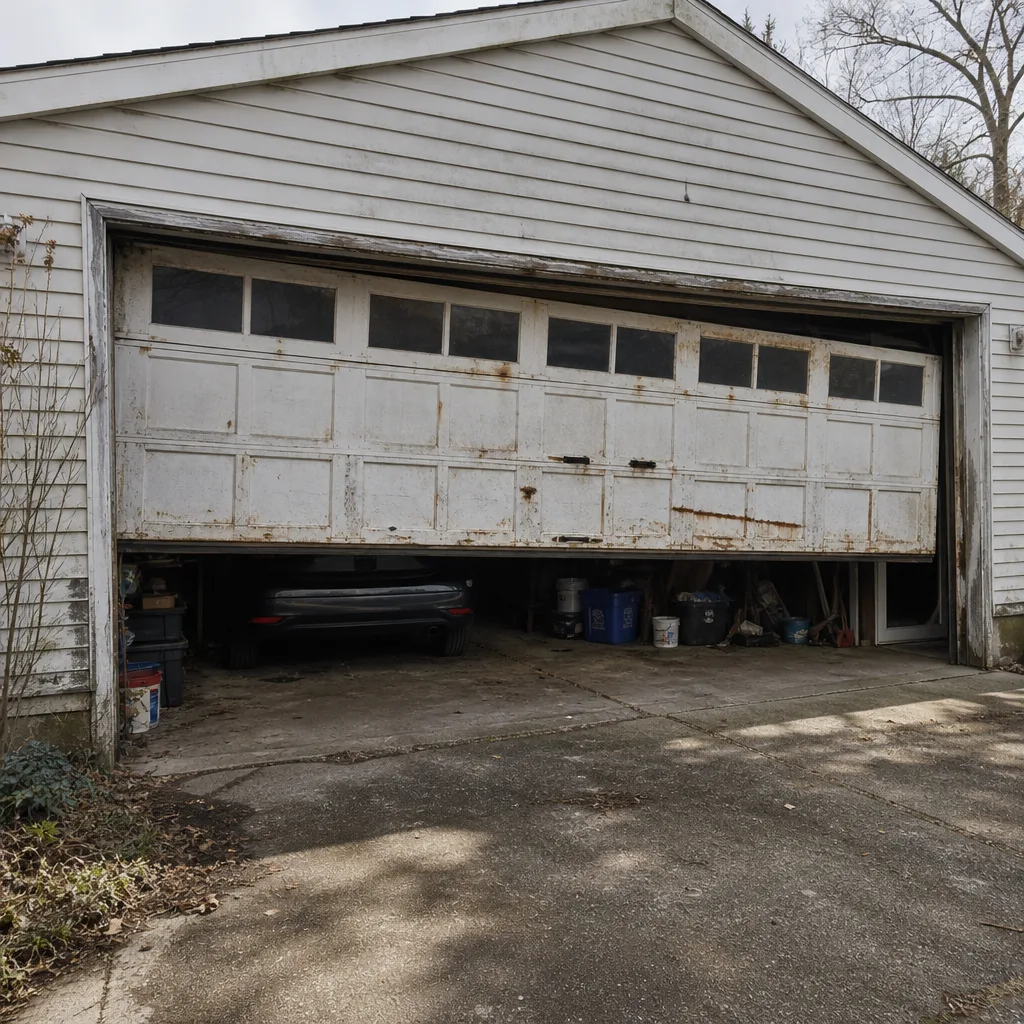 Before
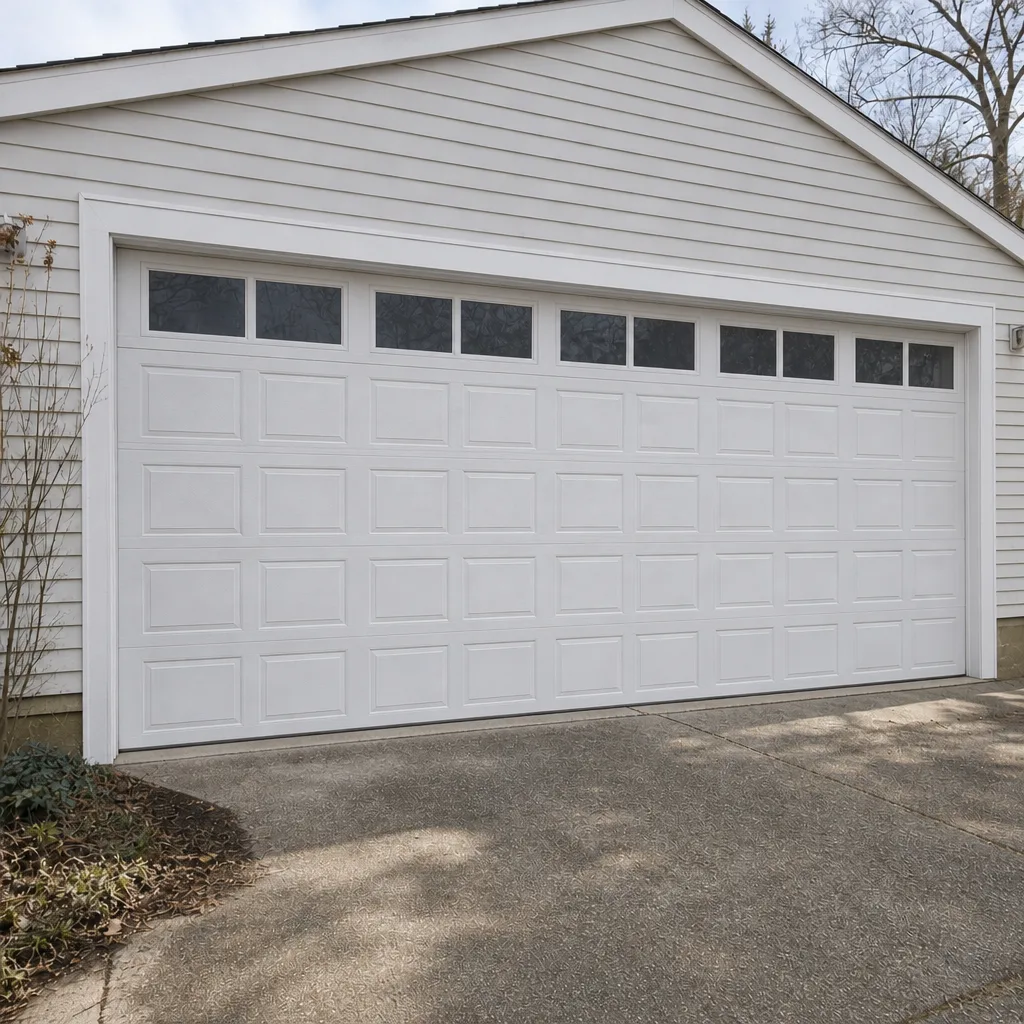 After
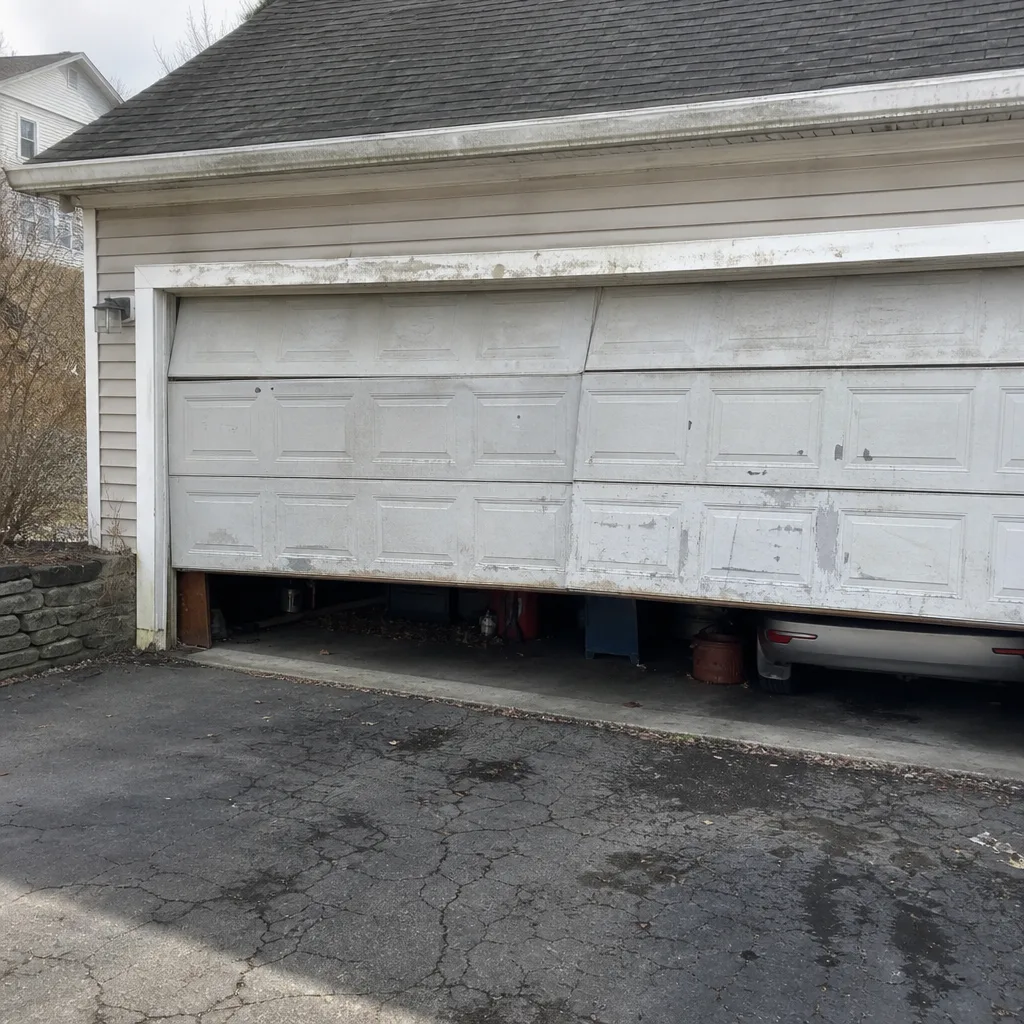 Before
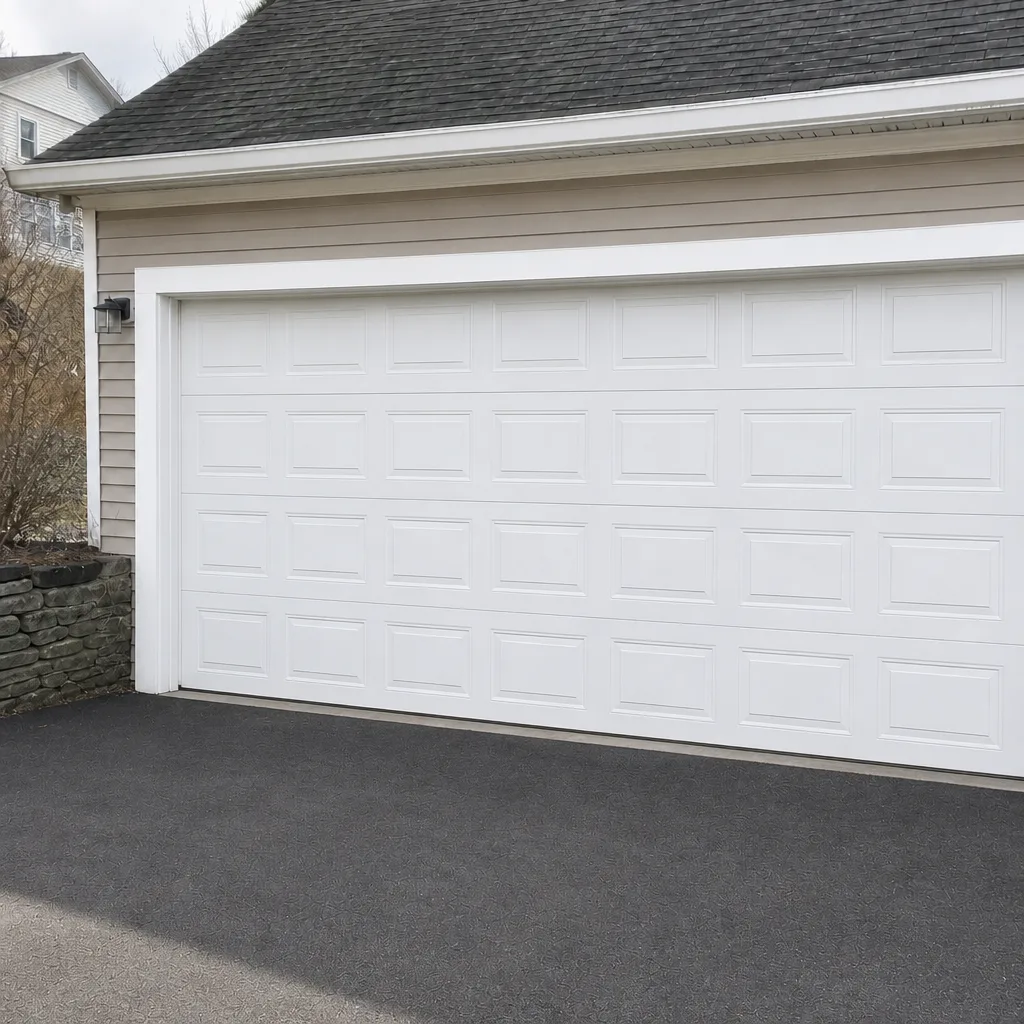 After
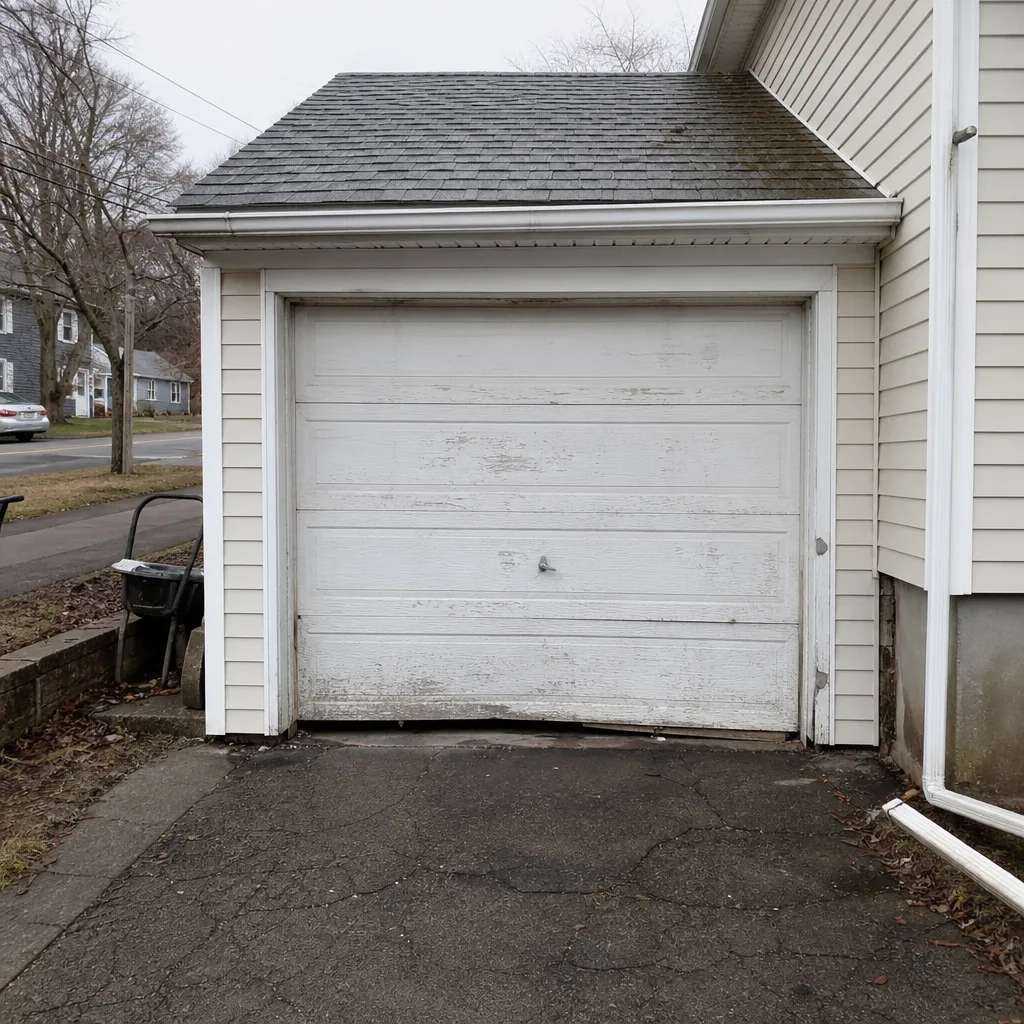 Before
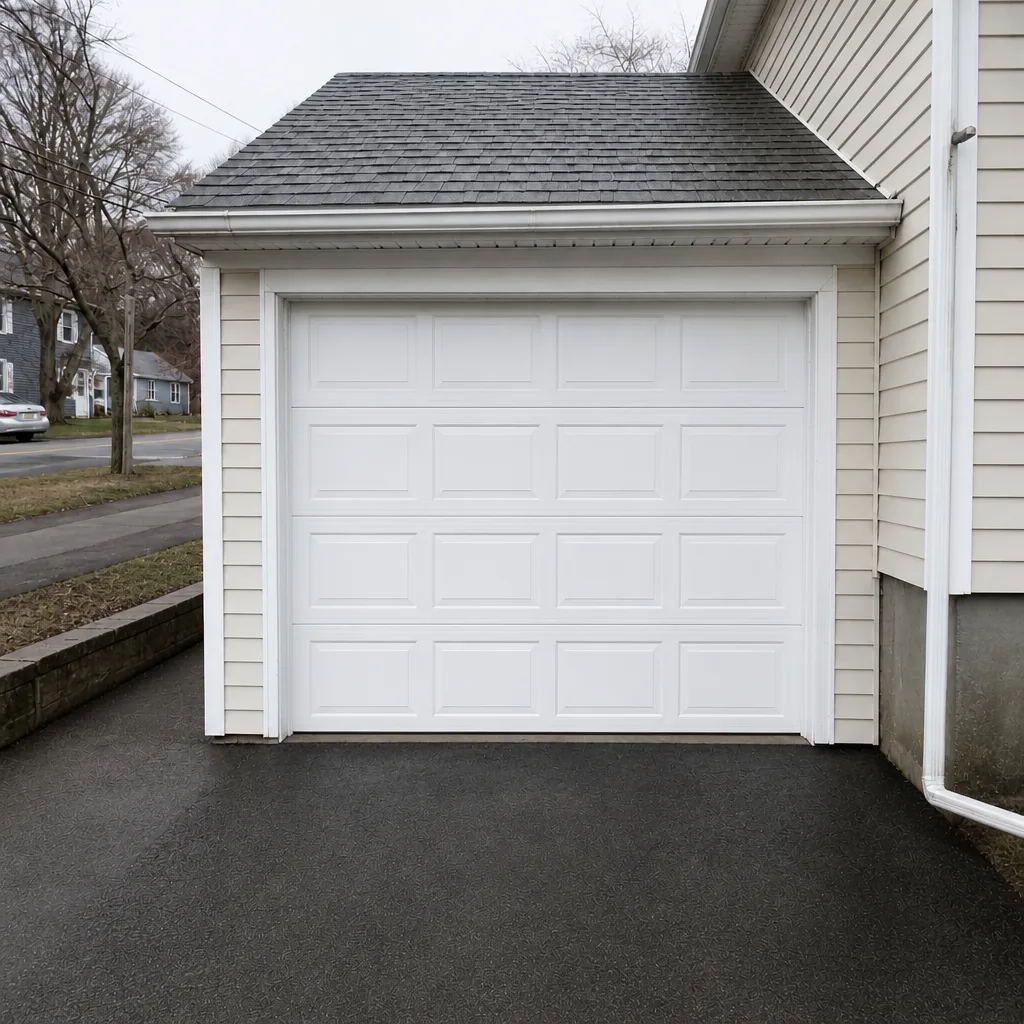 After
When to Call a Professional
Most garage door emergencies fall into two camps: situations you can handle with the manual release and a clear head, and situations that need a specialist before anything gets worse. Call a professional for broken springs, snapped or frayed cables, a door hanging off its track, a door that’s stuck partway and won’t respond, opener motors that strain or smell hot, and any door that feels dangerously heavy or unstable. Spring and cable work is genuinely dangerous, and a door that’s lost balance can drop without warning. If your door is open and unbalanced, or a spring has failed, don’t run the opener or try to lower the door yourself. Ambassador Garage Door Repair offers free estimates in Waterbury and works on both the door and the opener, from LiftMaster to Raynor, so one specialist handles the whole problem. Call (844) 783-9136. We answer 24/7. Fast dispatch from 7am to 7pm, Sunday through Friday.
Frequently Asked Questions
Pull the manual release cord hanging from the trolley on the opener rail, with the door fully closed, then lift the door by hand. The release disconnects the door from the motor so it can be opened manually. If the door feels extremely heavy after releasing, stop and call a specialist, because that points to a spring problem rather than a power problem.
Stop pressing the remote and don’t force the door. Check for a misaligned photo-eye sensor, debris in the track, or an object under the door. If you need the car out and the door is fully open and stable, use the manual release. If the door is stuck partway and won’t respond, call a specialist rather than forcing it, since a binding track or weak spring can cause the door to drop.
The bottom seal has frozen to the concrete, common after a Waterbury freeze-thaw night. Don’t run the opener against it, because that strains the motor and can break a spring. Break the seal gently with warm water or a non-metal pry, clear snow and ice from the base, then operate the door normally once it’s free.
No. A door with a broken spring is extremely heavy and can drop or slam without warning. Keep everyone clear, don’t run the opener, and don’t try to lower an unbalanced door by hand. Springs are under extreme tension, and this is a job for a trained specialist. Call (844) 783-9136 for help.
Have your door type and brand, your opener brand and model (LiftMaster, Chamberlain, Genie, Craftsman, and others), a description of what’s happening, whether the door is open or closed, and whether a car is trapped. Knowing these details helps the specialist bring the right parts and fix it on the first visit.
Many garage door problems can be handled the same day, especially opener and mechanical issues a specialist can diagnose and fix with standard parts. Spring and cable work may need specific parts, so the visit depends on what’s found. Call (844) 783-9136 for a free estimate and the soonest available dispatch.
The Bottom Line
Garage door emergencies in Waterbury come down to preparation. Know your manual release before the power goes out. Stop pressing the remote when a door stalls and look for the cause first. Handle winter freeze-ups gently rather than forcing the opener. And treat lost spring tension as a stop-and-call situation, not a DIY project. The homeowners who stay calm and follow the protocol are the ones who avoid secondary damage and dangerous drops. From the opener to the door itself, Ambassador Garage Door Repair is here when you need a specialist. Call (844) 783-9136 for a free estimate. We answer 24/7. Fast dispatch from 7am to 7pm, Sunday through Friday. See how we handle emergency service for Waterbury homes, or visit Ambassador Garage Door Repair to learn more.
Written by the team at Ambassador Garage Door Repair.