
Last updated November 15, 2026
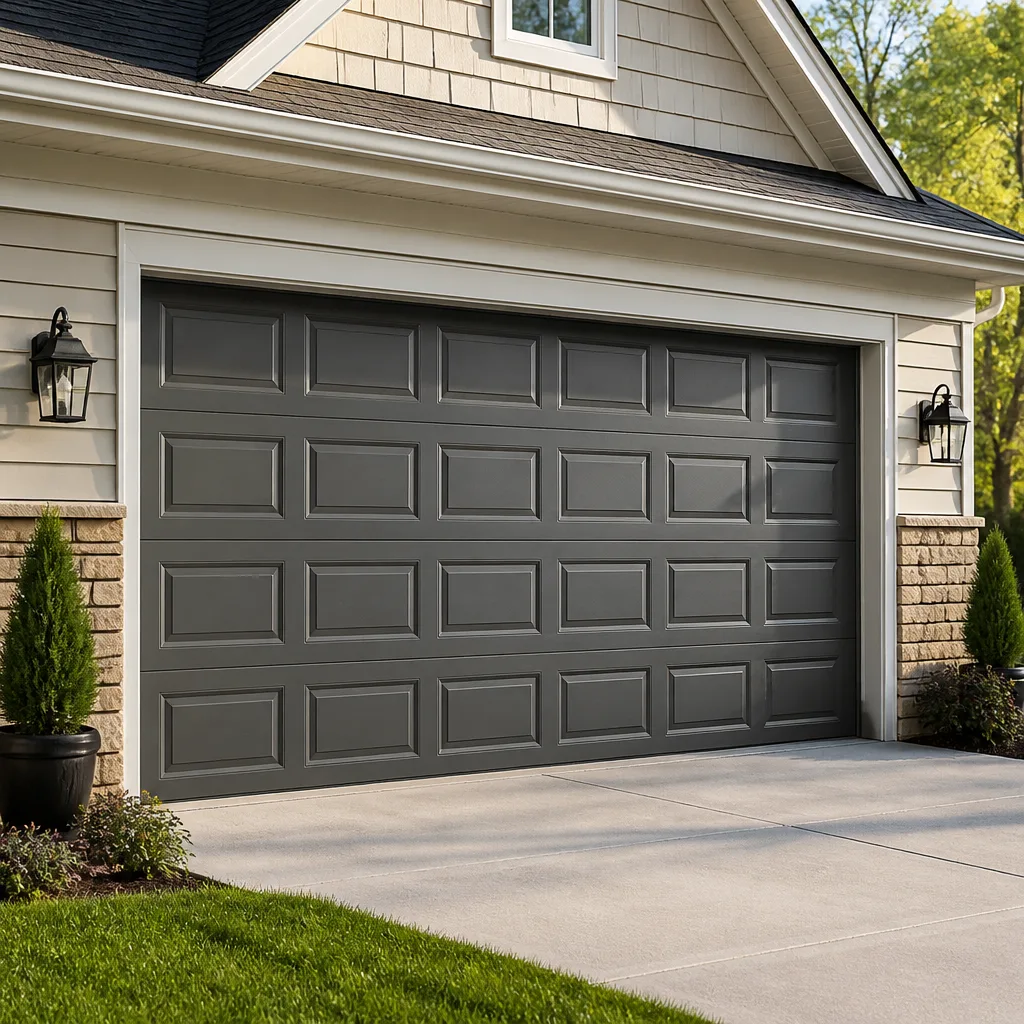 Raised-panel steel
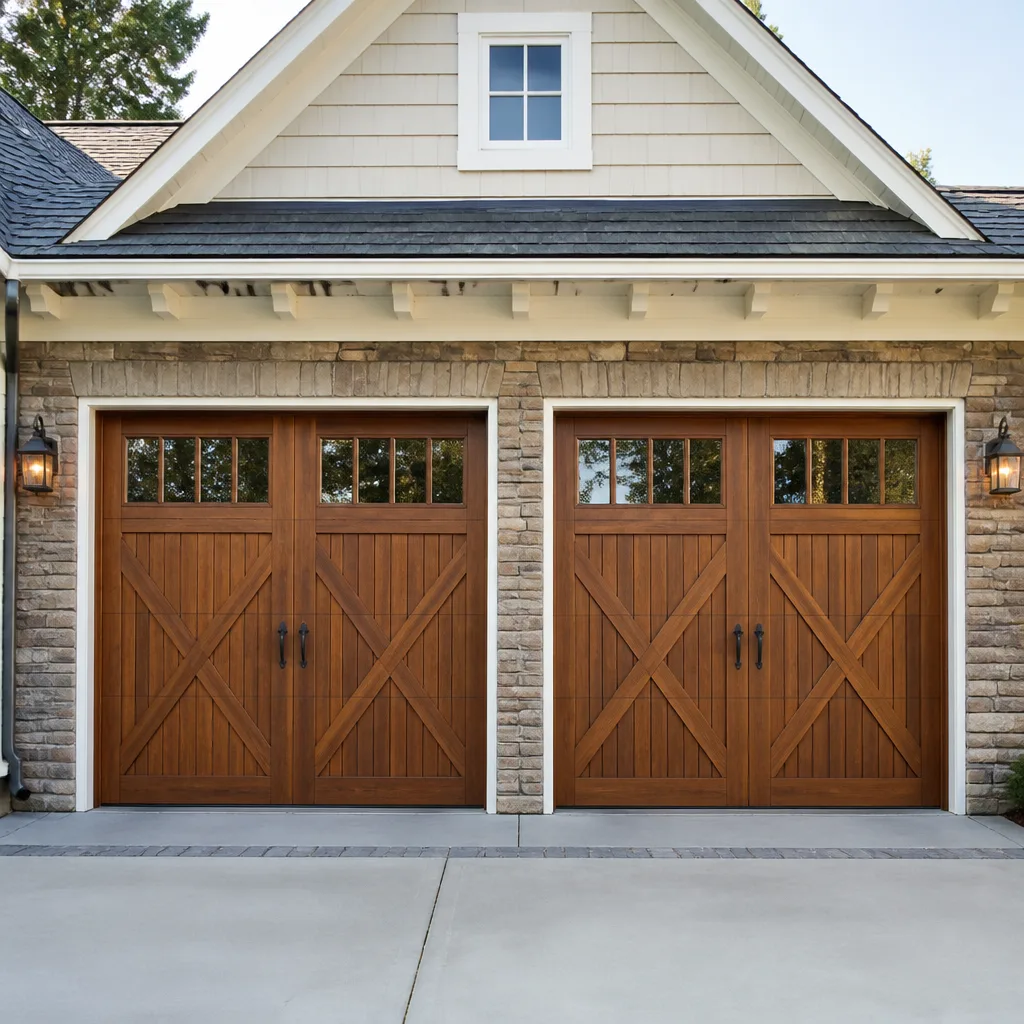 Carriage house
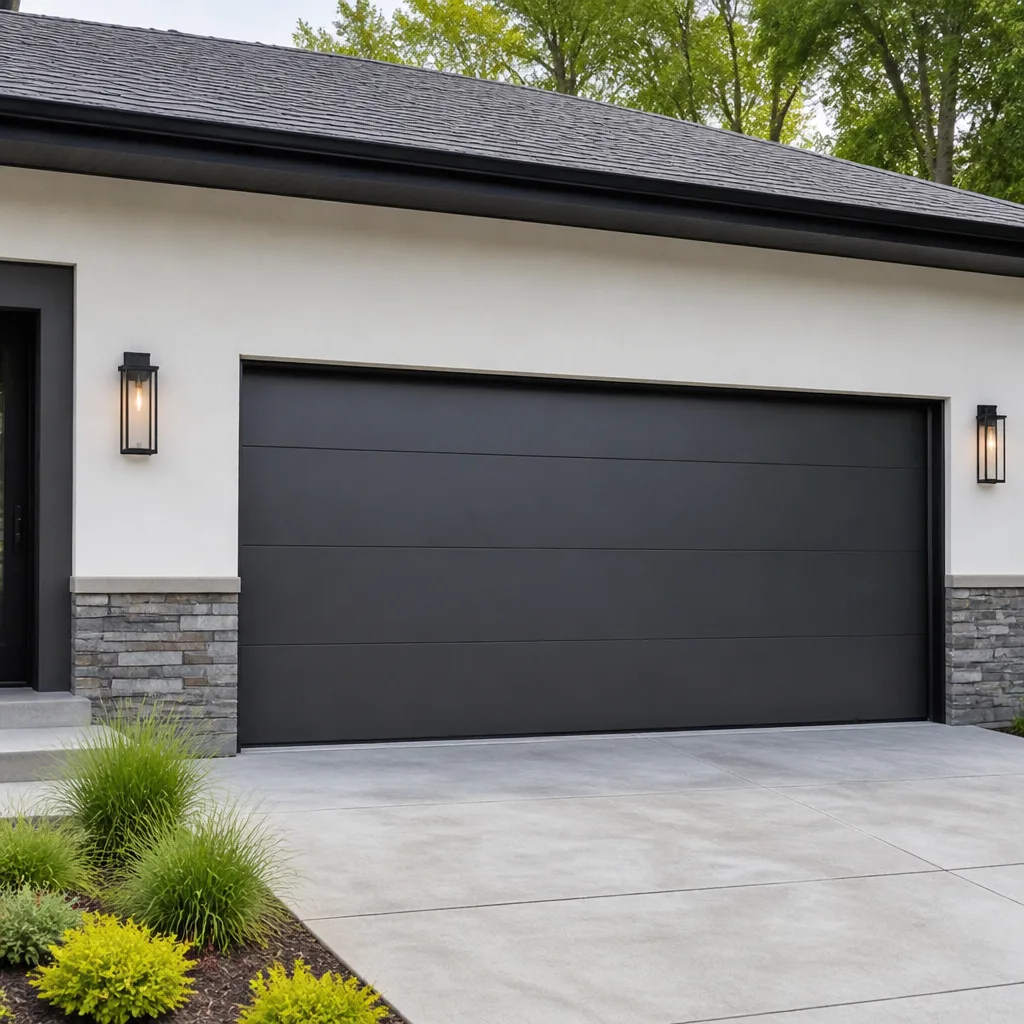 Modern flush
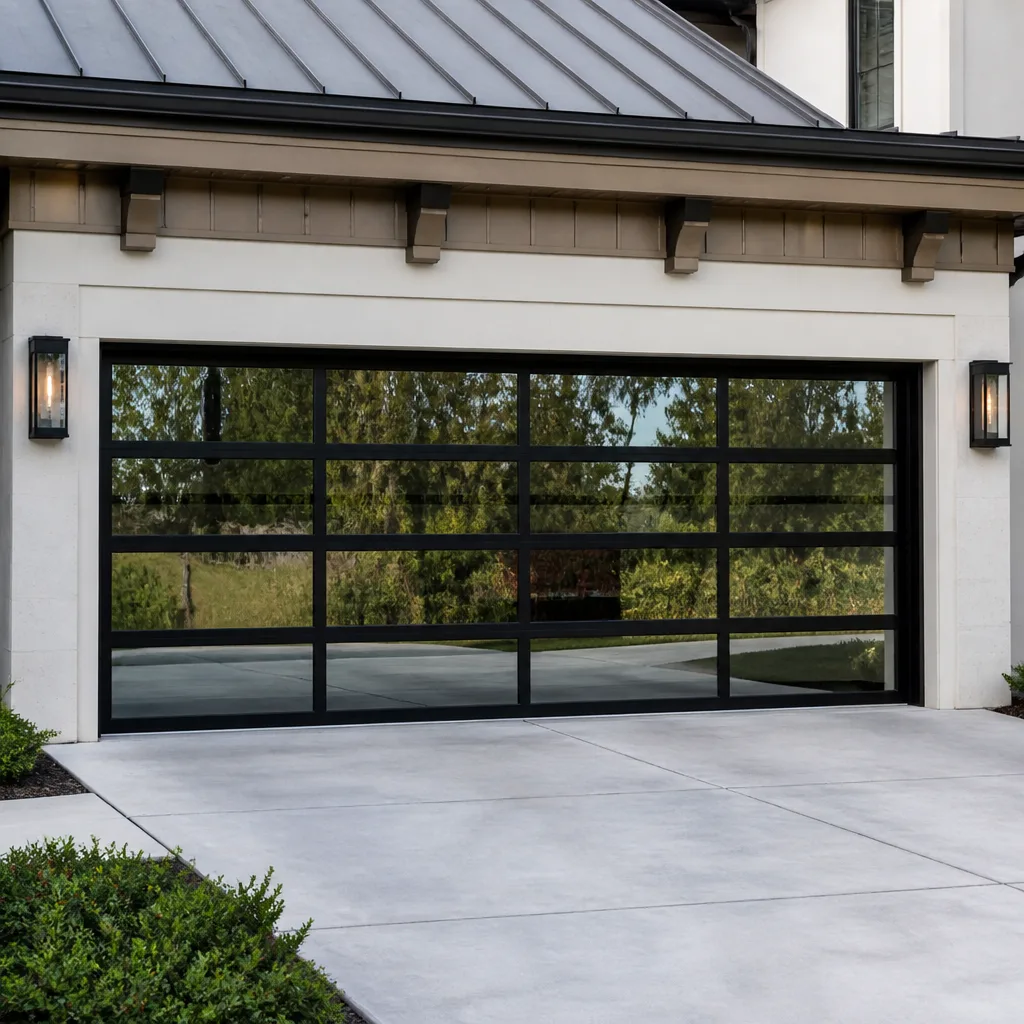 Full-view glass
 LiftMaster openers
 Chamberlain openers
Full 25-point door and opener safety check with every visit - springs, cables, rollers, tracks, and your LiftMaster or Chamberlain opener included
You get a price before we start. It does not change when the pro arrives.
Get your free estimateGarage Door Permits, Codes & Inspections in Waterbury, CT: What You Need to Know
Here’s the part most homeowners learn too late: a garage door replacement that skips a required Waterbury building permit won’t fail an inspection the day the work is done. It surfaces years later, during a home sale, when a buyer’s attorney or a lender’s appraiser asks for the permit record on a finished improvement and there isn’t one. At that point the fix is retroactive, and it’s on your side of the table. A spring swap or a snapped cable is repair, and repair rarely needs a permit. Swapping out the entire door assembly, changing how the door is anchored, or opening up the framing above the opening is a different category of work in Connecticut, and whether you need a permit depends on which one you’re actually doing. This guide walks through the thresholds, the process with the Waterbury Building Department, what inspectors look at, and how to tell whether the contractor you’re talking to will pull the permit or quietly skip it.
Quick Answer
In Waterbury, replacing a complete garage door assembly or altering the framing and header above the opening generally requires a building permit under the Connecticut State Building Code, while repairing existing components – springs, cables, rollers, tracks, hinges, openers – typically does not. The permit is pulled before work starts, inspected after the door is hung, and closed out with a record that stays attached to the property. Whether your specific job crosses that line depends on what’s being changed and how the door is anchored, so the safe move is to ask the city’s building department directly, or ask the contractor to do it on your behalf before the door is ordered.
Styles & brands we work with
- Raised-panel steel
- Carriage house
- Modern flush
- Full-view glass
- LiftMaster openers
- Chamberlain openers
Table of Contents
- When does a garage door project need a permit in Waterbury?
- Repair or replace: where the permit line actually falls
- How the Waterbury Building Department permit process works
- Structural header changes and older Waterbury homes
- What inspectors look for during a garage door inspection in CT
- Pull-the-permit contractors vs. skip-the-permit contractors
- How unpermitted garage work catches up with you at resale
- Common mistakes to avoid
When does a garage door project need a permit in Waterbury?
A garage door replacement needs a permit in Waterbury when it’s a structural or assembly-level change to the opening, not a component swap. The Connecticut State Building Code governs residential construction statewide, and Waterbury enforces it through its own building department. The code treats the overhead door as part of the building envelope and the structural opening it sits in, which is why a full door replacement with new anchoring or a modified header falls on the permit side of the line. Replacing one broken torsion spring is maintenance, not construction.
From what we’ve seen doing work around Waterbury, here’s the working breakdown homeowners should carry into the conversation:
- Permit generally required: replacing the full door assembly with a different size or weight; changing the opening dimensions; cutting, sistering or replacing the header above the opening; relocating the tracks or the anchor points; converting a manual door to an opener where the electrical circuit is new.
- Permit generally not required: replacing springs (torsion or extension), cables, rollers, hinges, drums, bottom seals, weatherstripping, or panels of the same model; repairing or replacing an opener of the same type on the existing circuit; adjusting tracks, travel limits or safety sensors.
- Gray zone – ask the city: a same-size door swap where the existing anchors are reused exactly; adding an opener to a circuit that already exists and is properly grounded; replacing a door on a garage that was originally built without permits.
The gray zone is where a five-minute phone call to the Waterbury Building Department saves a month of headache. Ask them to describe your job back to you: address, door size, what’s being changed, what’s being reused. That’s enough for a permit clerk to tell you whether you’re filing an application or not. If the answer is unclear, ask the contractor to put the scope in writing and submit it for review. This is the same reason garage door repair and full replacement are handled as separate categories of work, with different rules attached.
Repair or replace: where the permit line actually falls
In practice, repair and replacement are two different jobs that share a driveway. Repair restores the door to the condition it was already approved in. Replacement changes the assembly, which is why replacement is the category that trips permits. A homeowner whose door won’t close on a Tuesday morning is having a repair problem, not a permit problem, and that’s the majority of what happens in Waterbury.
We work on whatever’s already in your driveway, which means we see the same failure points across the brands we service – LiftMaster and Chamberlain openers on one side, Raynor and Clopay doors on the other. What we tell Waterbury homeowners who are deciding between fixing and replacing:
- One panel, one spring, one cable. Fix it. This is repair. No permit.
- Door is bent, rusted through, or the sections are separating from the hinges. Look at replacement. That’s a permit conversation.
- Door works but the opener keeps reversing or the remotes drop. That’s a garage door opener repair job, not a permit question.
- Door is more than a decade past its finish life and the springs have been replaced twice. Replacement starts to make sense financially, and the permit applies.
- You want a different style, a wider opening, or a higher R-value door. This is always a permit job because the load on the header and the anchoring change.
Because we handle repair, opener repair, and installation as three separate services, we’re usually the ones telling a homeowner they don’t need to spend the permit filing fee on what is genuinely a repair. That saves money and it saves time. The recommendation is honest in both directions, which is the only way it’s worth anything.
How the Waterbury Building Department permit process works
Waterbury homeowners pull residential garage door permits at the city’s Building Department, and the process follows a standard sequence: application, plan review, permit issuance, work, inspection, closeout. Timelines vary with the department’s workload and with how complete the application is, so we don’t quote a turnaround number. The application itself is usually straightforward for a same-size door swap. It gets longer when the scope includes framing changes or new electrical for an opener.
Here’s the sequence in the order things actually happen:
- Confirm scope in writing. Door size, door model, anchoring method, whether any framing is being altered. This is the same document the installer will work from.
- Submit the permit application to the Waterbury Building Department along with whatever drawings or manufacturer spec sheets the clerk asks for. For residential garage doors, that’s often a one- or two-page package.
- Pay the filing fee – the department will tell you the amount based on the scope of work. Fees are set by the city and change over time, so confirm the number with them directly.
- Wait for review. A clean application for a door swap usually moves through faster than a structural modification. Build lead time into your schedule, especially if you’re ordering a door with a factory finish and a long delivery window.
- Post the permit where the inspector can see it from the driveway or the interior of the garage.
- Install the door. This is where the inspection becomes useful – a door that isn’t plumb, level or properly anchored will get caught at this stage, before it becomes a problem for whoever buys the house.
- Schedule the inspection after the door is hung and the opener is installed. The inspector signs off and the permit is closed.
If you’re a homeowner doing this yourself as an owner-builder, the sequence above is the whole job. If you’re hiring a contractor, that contractor should be the one walking into the Building Department with the application, and should be able to tell you when the inspection is scheduled before you sign anything. Everything else about a Waterbury Waterbury garage door project follows from that.
Structural header changes and older Waterbury homes
Older Waterbury housing stock is where a simple door swap escalates into a permit job. Much of the city’s detached and attached garages were built long before modern door weights and modern wind-load expectations, and the framing above the opening – the header – was sized for a lighter door than what you’re about to hang. A new door that’s heavier, wider, or has a different spring system puts more load on that header and on the anchor points at either side of the opening. If the framing has to change to carry it, you’re past the door permit and into a structural permit.
The signs that a Waterbury home is heading toward header work:
- Sagging or bowed framing above the opening, visible from inside the garage
- Cracked plaster or drywall at the corners of the opening, or a door that has never sat flush
- Rotted or insect-damaged jamb ends at the bottom of the opening
- A door that was originally manual and is now being asked to carry an opener plus a heavier section count
- Any plan to widen the opening, lower the header, or change the wall the door sits in
When we see these during a measure, we don’t pretend the job is a straight swap. We tell the homeowner that framing corrections are likely required and that the permit is going to be a structural one, which usually means a second review step and a longer timeline. That’s a conversation better held before the door is ordered, not after it’s delivered to the driveway. Ambassadors skills are in the door and the operator, so we treat the structural side with respect and we don’t start cutting framing without the permit in hand.
What inspectors look for during a garage door inspection in CT
A garage door inspection in Connecticut centers on whether the installed door is safe under normal operation and whether it matches what was permitted. The inspector isn’t testing your opener’s Wi-Fi settings – they’re checking the physical result against the plan. When we walk a Waterbury homeowner through what’s coming, we focus on the same list:
- Door is plumb, level, and properly seated in the opening, with even reveals on both sides
- Tracks are square and anchored into solid framing, not into drywall or trim
- Springs, cables and drums are correctly sized for the door weight and secured with the required safety containment on torsion systems
- Opener is mounted correctly with the rail level and the unit anchored into structural wood
- Photoelectric safety sensors are installed at the correct height, aligned, and wired so they reverse the door on obstruction
- Manual release is present, reachable, and operable from inside the garage
- Door balance – the door should hold itself at half-open under manual operation, without the opener
- Labels and listings on the door and opener are intact and visible
Inspection day is not a formality. A door that’s slightly out of square will fail the balance check, and a sensor that’s misaligned will fail the reverse test. Correcting either after the fact means another appointment. Getting it right the first time is why we build time between the install and the inspection into the schedule rather than booking them on the same day. We also handle the opener side of the inspection for the same reason – LiftMaster, Chamberlain, Genie and Craftsman units all have their own sensor and travel-limit arrangements, and a technician who knows the specific model gets through the test faster.
Pull-the-permit contractors vs. skip-the-permit contractors
The single most useful question in a garage door quote is also the simplest: does the price include the permit? A contractor who plans to pull it will say yes without pausing. A contractor who plans to skip it will get vague, or offer to “let you file it yourself” to avoid the cost, or tell you the permit isn’t needed without being able to point to the section of the code or the person at the city who told them so. In Waterbury, the second kind of conversation is a warning sign, not a cost-saving.
What a legitimate contractor should provide before the door goes in:
- A written scope of work that describes the door size, model, anchoring method, and any framing changes
- A clear statement of who is pulling the permit and who is paying the filing fee
- An inspection appointment on the schedule before the door is hung
- A permit number you can verify with the Waterbury Building Department
- A closeout record you can keep in the house file for the future sale
We pull permits on jobs that require them and we tell homeowners when a job doesn’t. That’s the part that keeps the relationship honest – a repair job that doesn’t need a permit doesn’t get one, and a replacement that does need one doesn’t get waved through. When a homeowner asks us whether a permit is necessary, we answer the question based on the scope in front of us, not based on what gets the job sold faster. That’s the whole point of a specialist: you get the same answer whether or not the answer costs us money.
How unpermitted garage work catches up with you at resale
An unpermitted garage door replacement sits quietly until the house goes on the market. At that point a buyer’s home inspector flags the door as a newer installation, the buyer’s attorney asks for the permit, and there isn’t one. The transaction stalls, a buyer asks for a credit, or the seller ends up filing a retroactive permit and paying for a late inspection – and the price of resolving it later is higher than the price of doing it right the first time. That’s the structural reason to pull the permit: the cost is at the front, the protection is at the back.
Connecticut municipalities differ in how aggressively they follow up on unpermitted improvements discovered during a sale, and Waterbury is no exception – the process depends on the department’s current workload and the specifics of the file. What we can tell you without hedging: a permit record is a permanent positive on a house file, and a missing one is a permanent question mark. The cost of pulling the permit up front is small relative to the resolution process later, and the resolution process can’t always restore the original timeline. Getting into a clean sale is a lot easier when every improvement on the house has a matching record.
The same logic applies to the door itself, not just the paperwork. A door installed by a contractor who pulled the permit is a door that was inspected, which means it was level, balanced, and correctly anchored at the moment it was signed off. A door installed without the permit is a door nobody checked. In a decade, when you’re the seller, both look identical from the driveway. Only one of them has a file to prove it.
Common Mistakes to Avoid
- Assuming a “door replacement” is automatically a repair. If the door assembly is being swapped, treat it as a permit question until the building department says otherwise. The cost of asking is a phone call; the cost of being wrong is a resale problem.
- Letting the contractor decide whether the permit is needed. The Waterbury Building Department decides that, not the person selling you the door. Ask the contractor to put the scope in writing and submit it for review.
- Ordering the door before the framing is checked. In older Waterbury garages, header work is common enough that a measure should come before the order, not after. A door that shows up before the framing is safe is a door sitting in the driveway.
- Filing the permit and then skipping the inspection. An open permit is worse than a closed one, because it flags the job as started and never signed off. The inspection is the part that makes the permit valuable.
- Skipping the opener electrical review. Adding an opener to a garage without an existing circuit means new wiring, which is its own permit category. Fold it into the same application rather than treating it as an afterthought.
- Losing the closeout paperwork. The signed inspection record is the document your future buyer will want to see. Keep it with the deed and the home file, not in a shoebox in the basement.
- Trusting a verbal “yes, we pull permits” without a permit number. A permit number is a fact you can verify. A promise is not.
See the difference
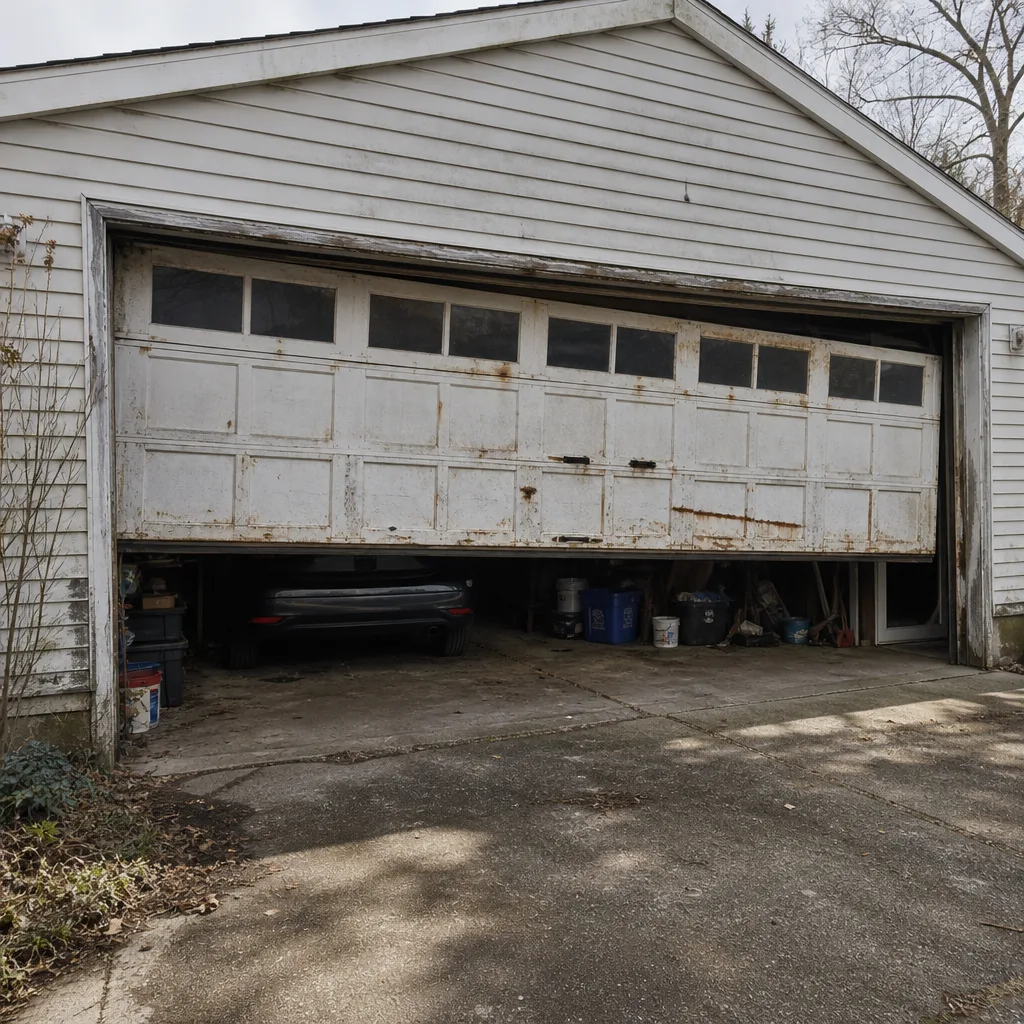 Before
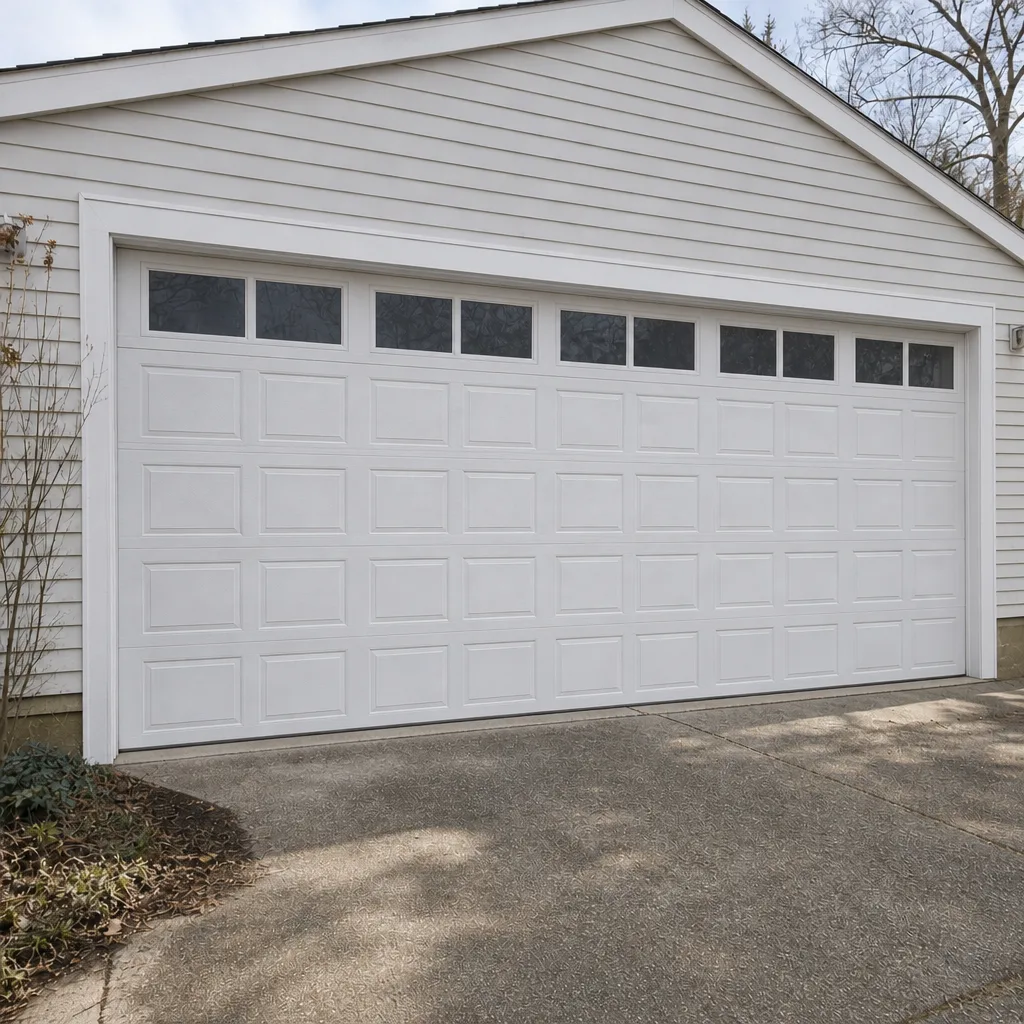 After
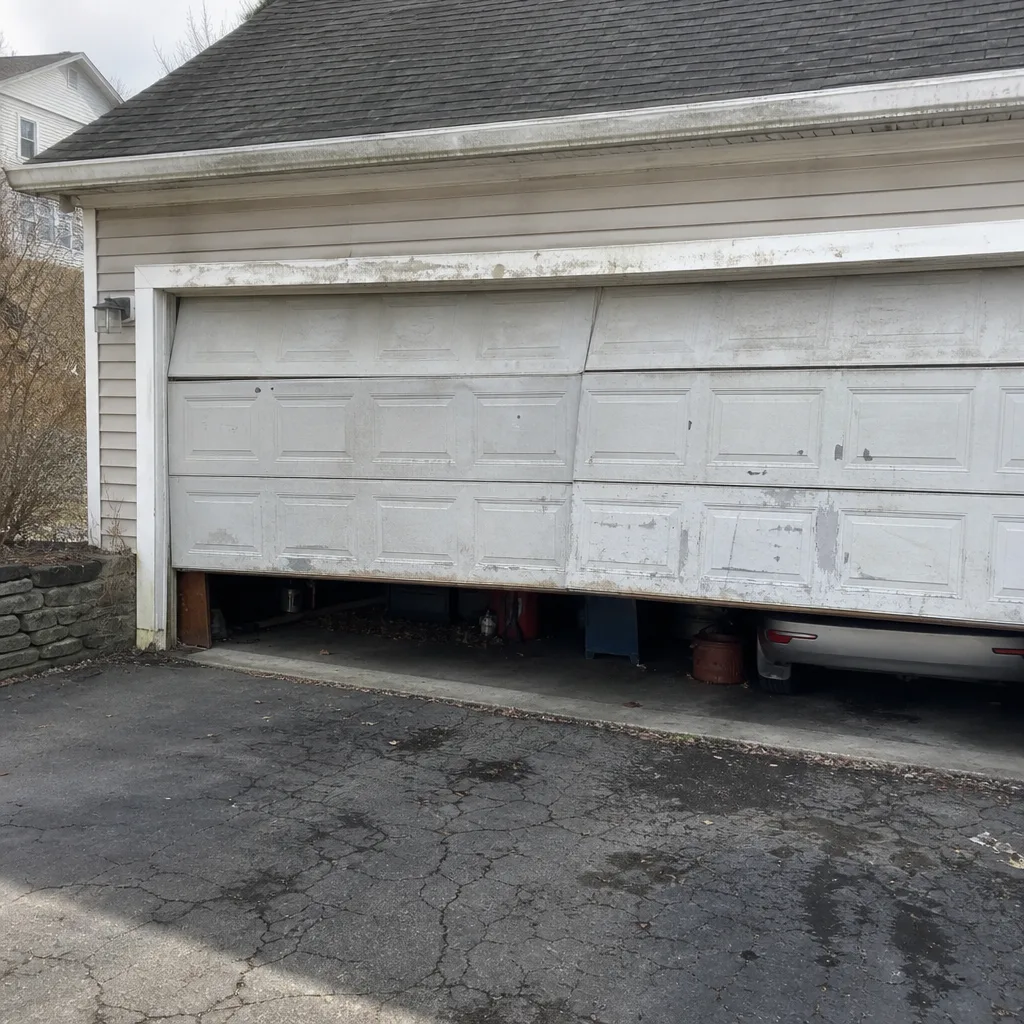 Before
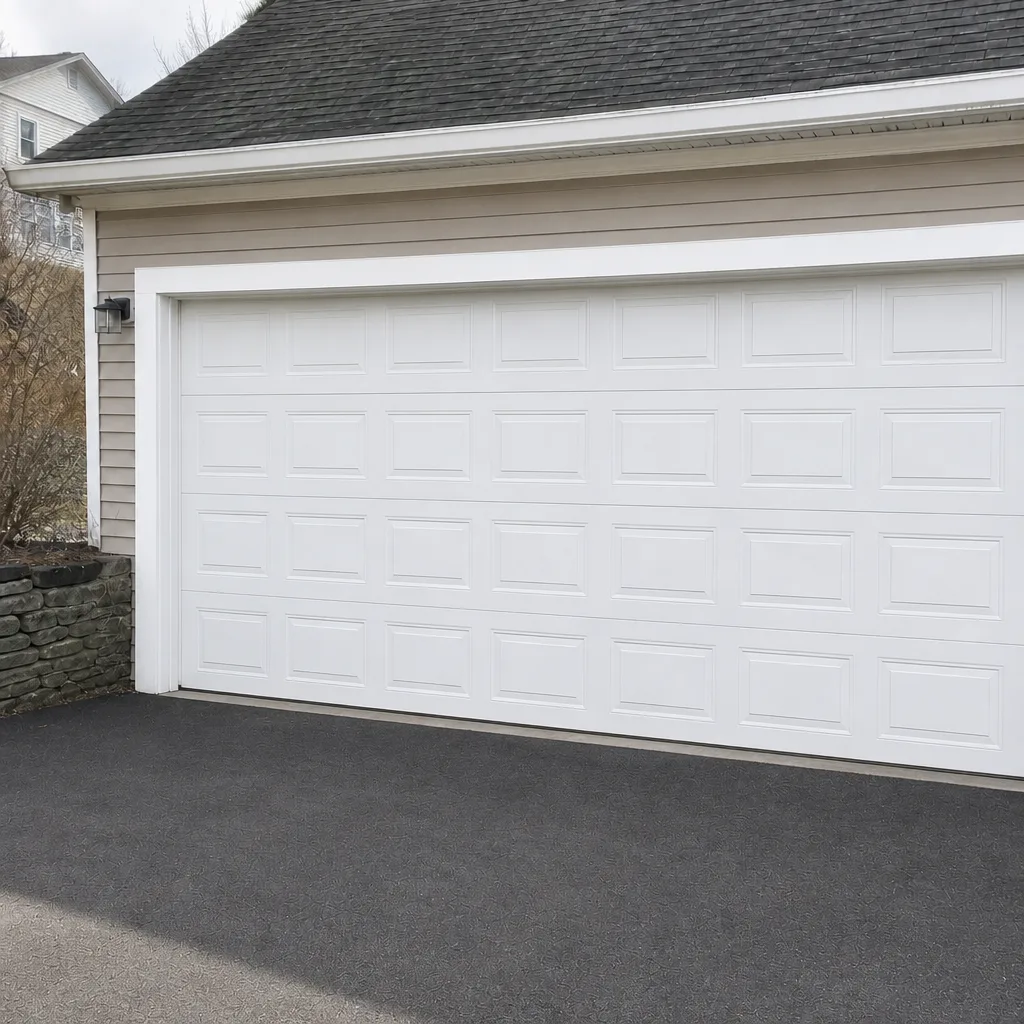 After
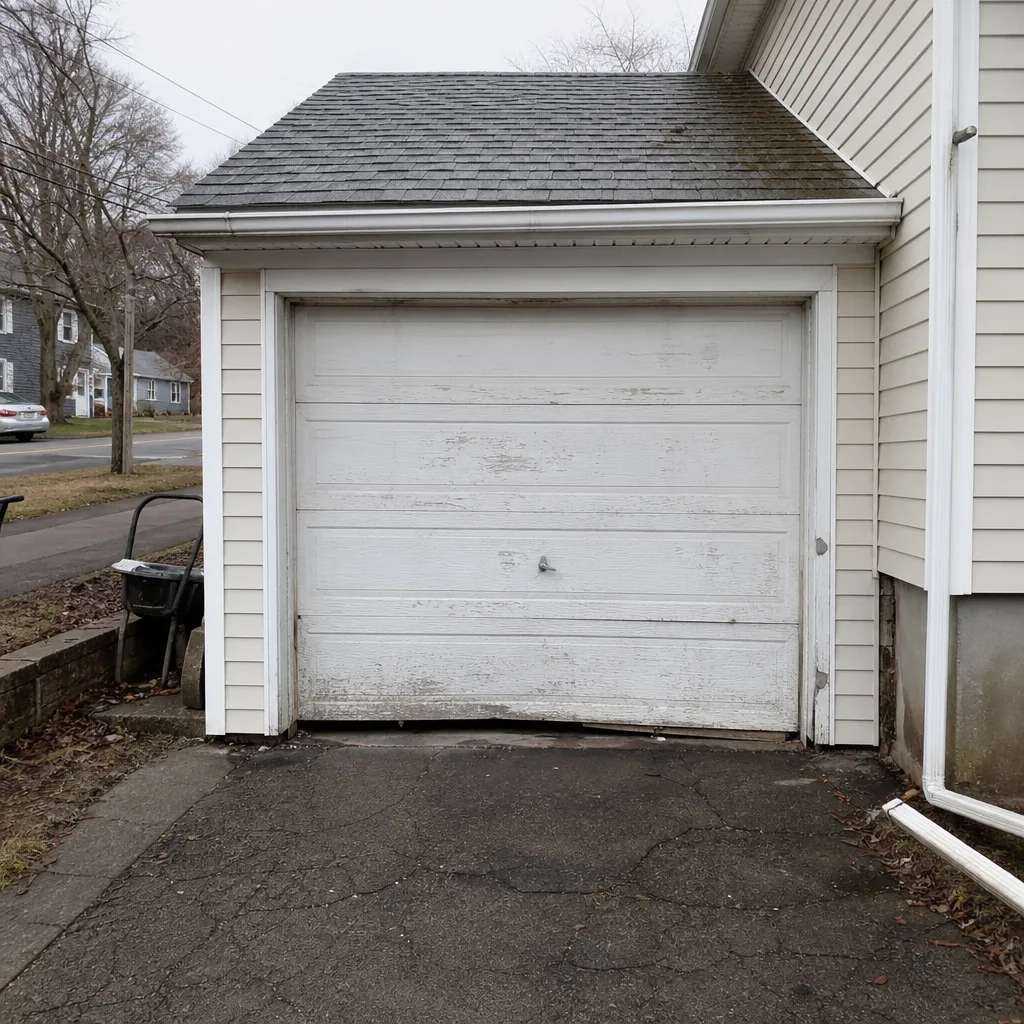 Before
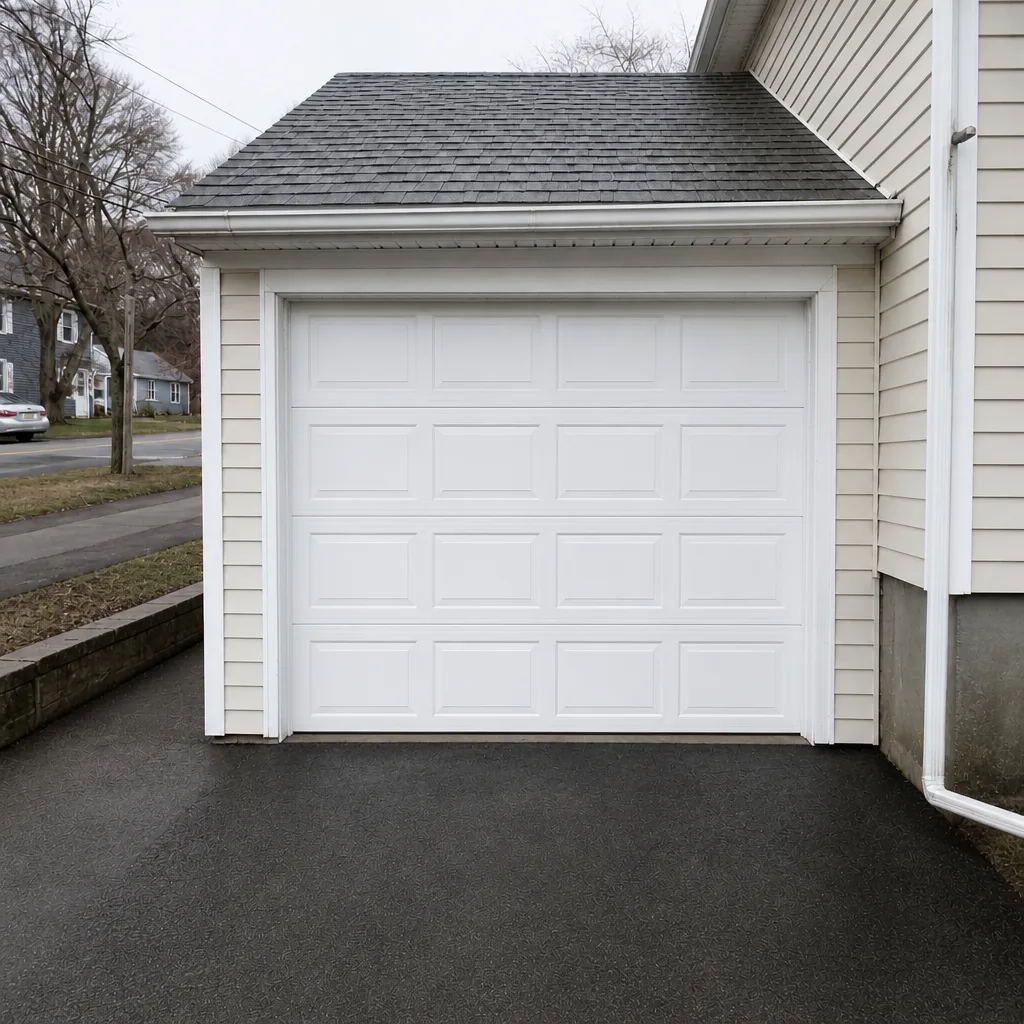 After
When to Call a Professional
Call a professional when the door is heavier than what the header was built for, when the framing above the opening shows signs of movement, or when you don’t know whether your project crosses the permit line and need someone to tell you honestly. A snapped spring or a door that won’t close is a repair call, and a door replacement or a header modification is a scheduled, permitted install – both are worth a professional conversation before you commit. Our technicians have up to 15 years of experience and we handle the door, the opener, and the permit question as one job rather than handing you off. Ambassador Garage Door Repair offers free estimates in Waterbury – call (844) 783-9136. We answer 24/7. Fast dispatch from 7am to 7pm, Sunday through Friday.
Frequently Asked Questions
In most cases, yes. A full garage door assembly replacement, a change in door size or weight, or any framing modification above the opening generally requires a building permit under the Connecticut State Building Code, enforced in Waterbury by the city’s Building Department. Repair of existing components – springs, cables, rollers, panels of the same model – typically does not. The final call belongs to the building department, so confirm your specific scope with them before the door is ordered. Call (844) 783-9136 for an exact quote on the install side – estimates are free.
Turnaround depends on the department’s current workload and on how complete the application is, so no honest number fits every case. A clean application for a same-size door swap with the manufacturer spec sheets attached usually moves through faster than an application that includes structural framing changes. Build the permit review time into your schedule before the door delivery date, not after.
The inspector checks that the installed door is plumb and level, the tracks are square and anchored into solid framing, the springs and cables are correctly sized for the door weight, the opener is mounted to structural wood, and the safety sensors reverse the door on obstruction. The door also has to balance under manual operation – holding itself at half-open without the opener. Correcting anything after the fact means another appointment, which is why we schedule the inspection after the install with room to fix anything the inspector flags.
Yes, and that’s the usual arrangement. A contractor who pulls the permit will submit the application to the Waterbury Building Department, pay the filing fee, post the permit, and schedule the inspection on your behalf. Ask for the permit number so you can verify it with the city, and keep the signed inspection record when the job closes out. A contractor who tells you the permit isn’t needed without being able to point to who at the city said so is a warning sign.
Replacing an opener of the same type on an existing, properly grounded circuit typically does not require a permit. Adding an opener to a garage that has no existing electrical service, or running new wiring for it, generally does, because that’s new electrical work. The opener repair side – remotes, sensors, travel limits, a dead unit swapped for the same model – is repair, not construction. We handle garage door opener repair as its own service for exactly this reason.
Talk to the Waterbury Building Department before you list or sell. They can tell you what the process is for a retroactive permit and inspection on the existing installation, and the cost depends on the scope and the file history. Resolving it proactively is almost always cheaper and simpler than resolving it mid-transaction. If the door itself turns out to be unsafe during the retroactive inspection, that’s when you call us for the repair or replacement.
The Bottom Line
The permit question sounds like paperwork, but it’s actually a question about what happens to your house file in ten years. For Waterbury homeowners, the working rule is simple: repair doesn’t generally need a permit, replacement generally does, and the line between them is best confirmed with the Waterbury Building Department before you order the door. Pull the permit, show up for the inspection, keep the closeout record. The contractor you hire should be the one filing it, and should be able to tell you which side of the line your job falls on without being asked twice. When in doubt, call the city, and call us for the door.
Call (844) 783-9136 for a free estimate on your Waterbury garage door project. We answer 24/7. Fast dispatch from 7am to 7pm, Sunday through Friday. Ambassador Garage Door Repair handles repair, opener repair, and installation across the most widely installed brands – LiftMaster, Chamberlain, Genie, Clopay, Amarr, Wayne Dalton, Craftsman, and Raynor – so you get one specialist from the first call to the final inspection. Visit Ambassador Garage Door Repair to see the full scope of what we handle, and know that whether your job needs a permit or not, you’ll get the honest answer before you commit to anything.
Written by the team at Ambassador Garage Door Repair.