
Last updated November 15, 2026
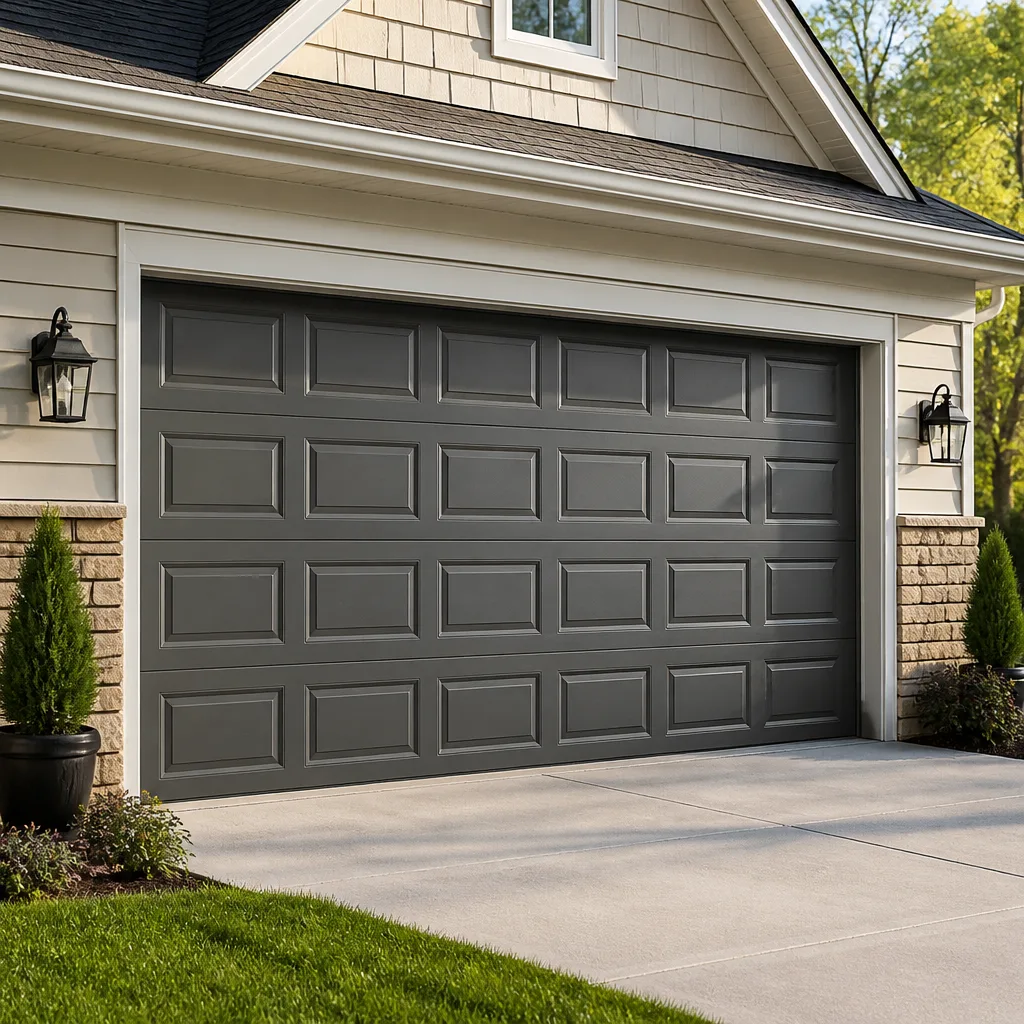 Raised-panel steel
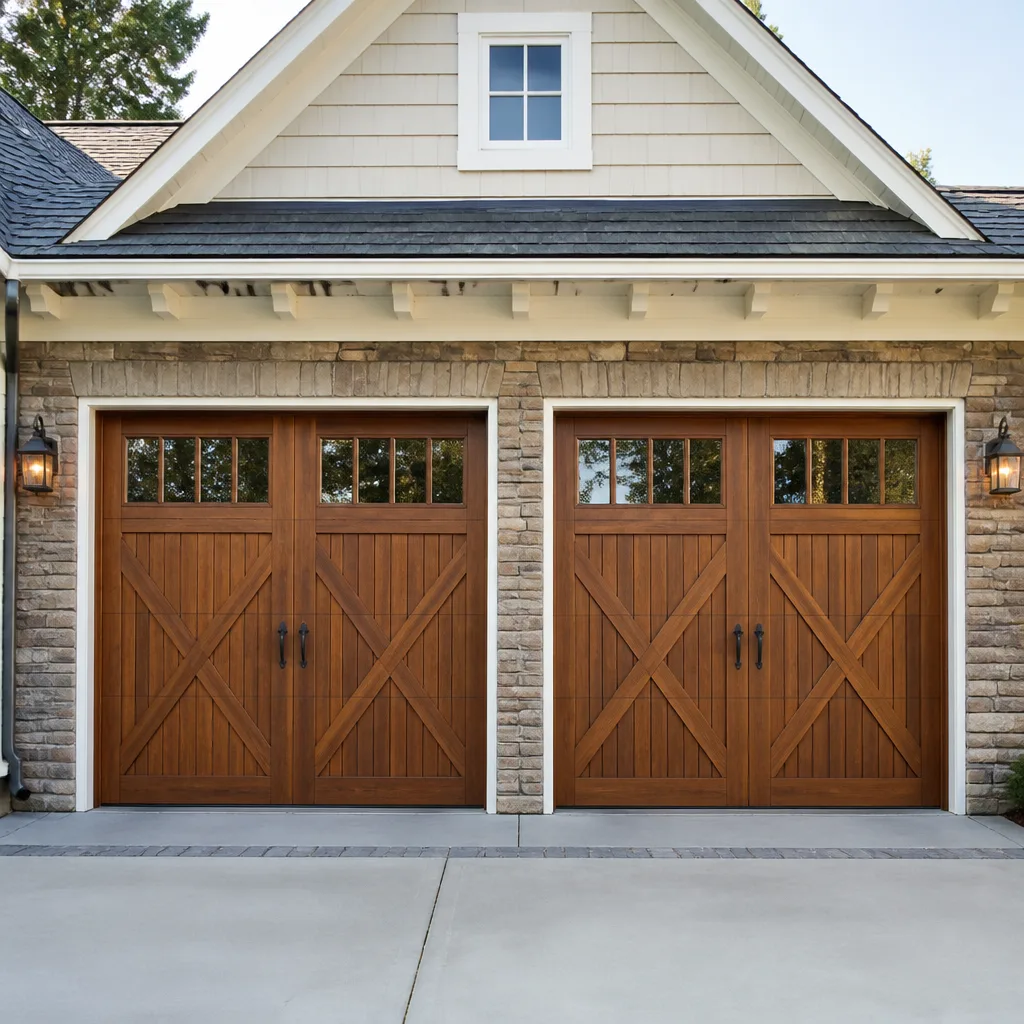 Carriage house
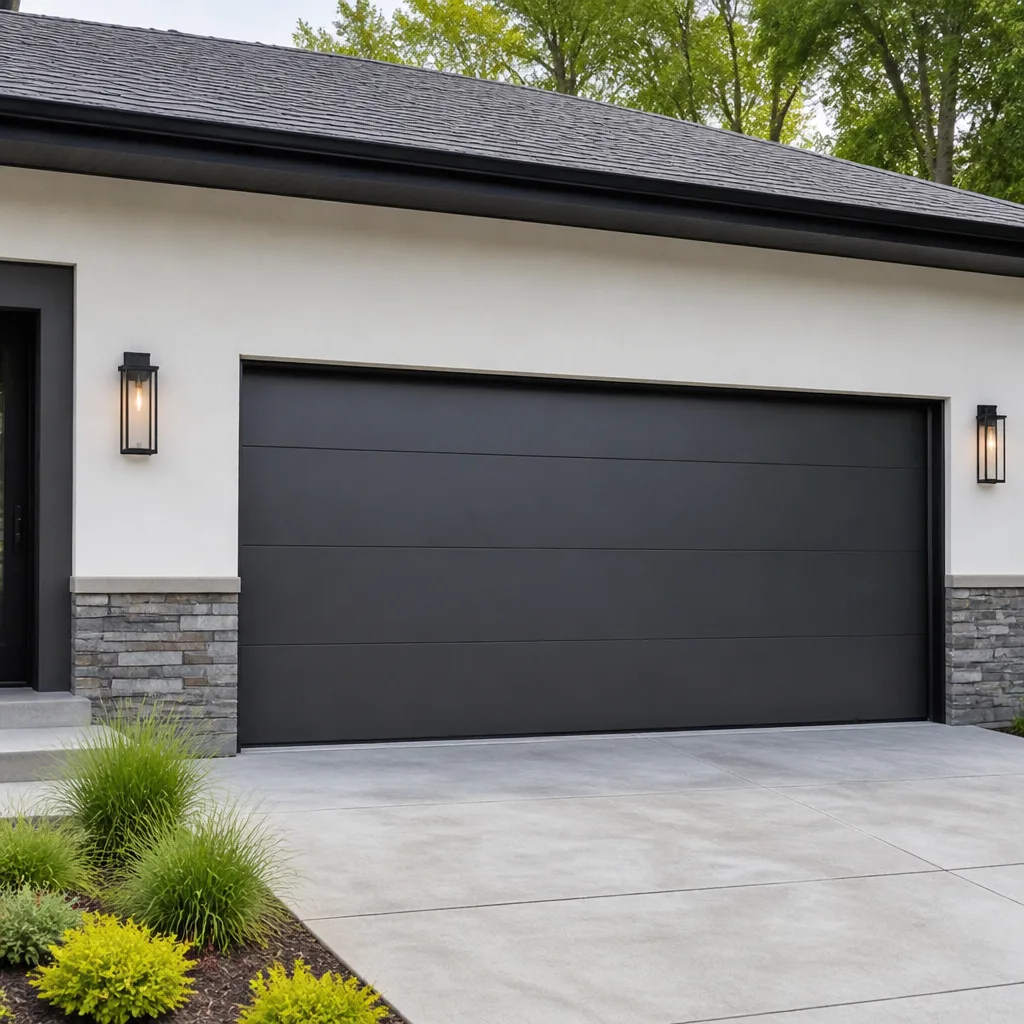 Modern flush
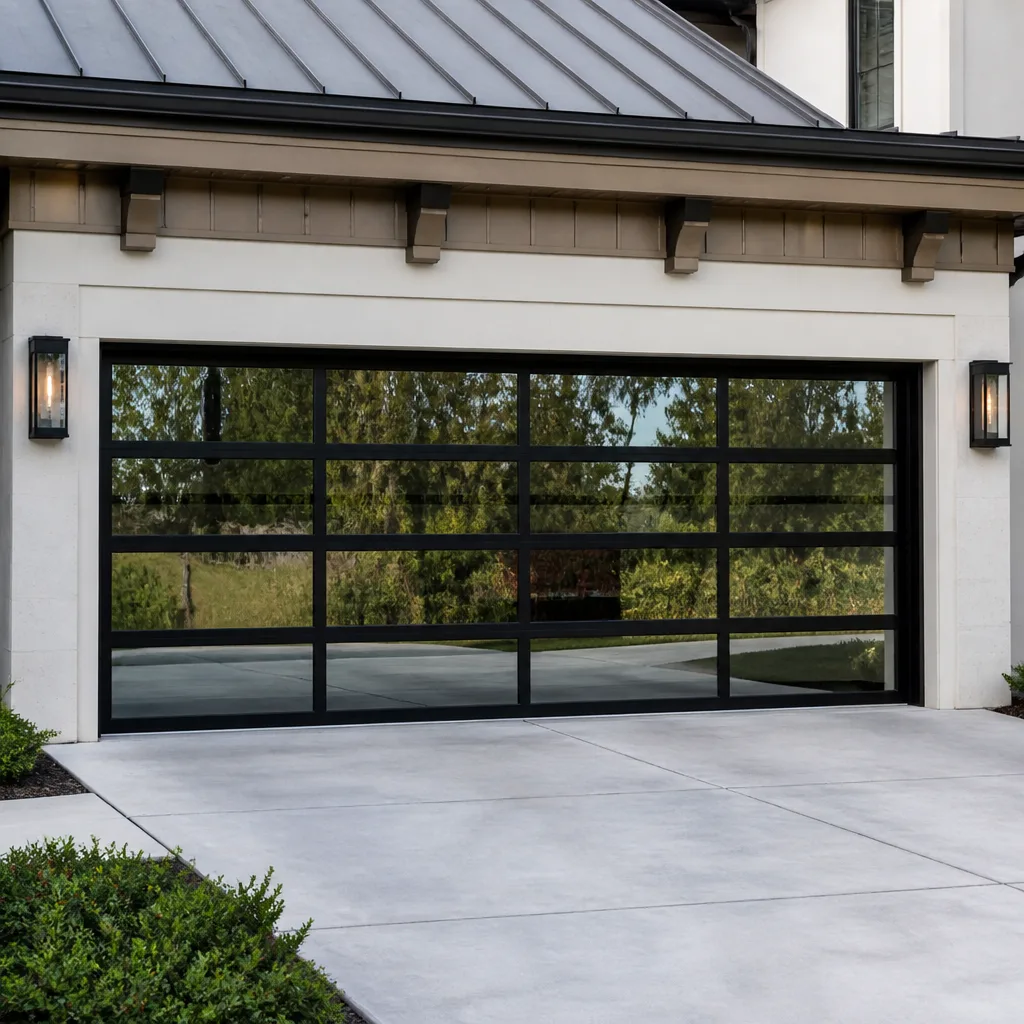 Full-view glass
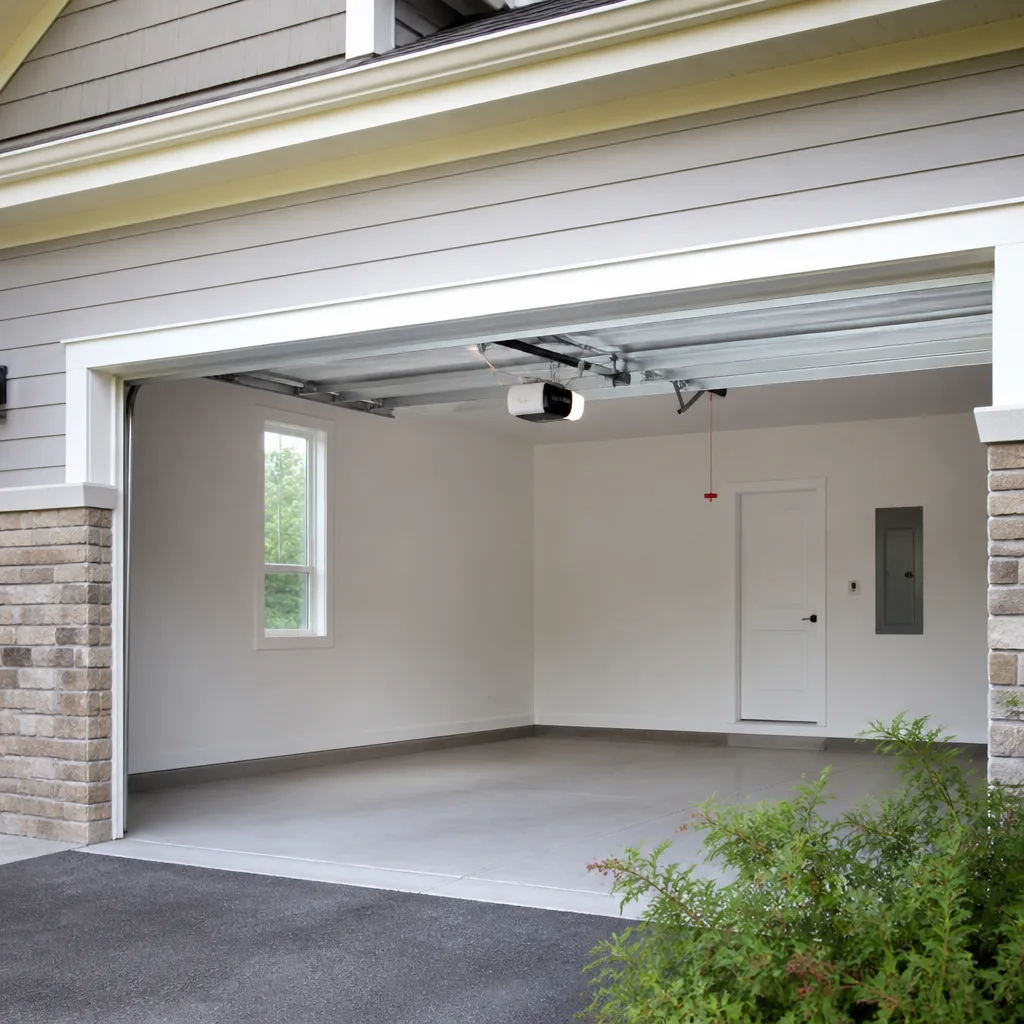 LiftMaster openers
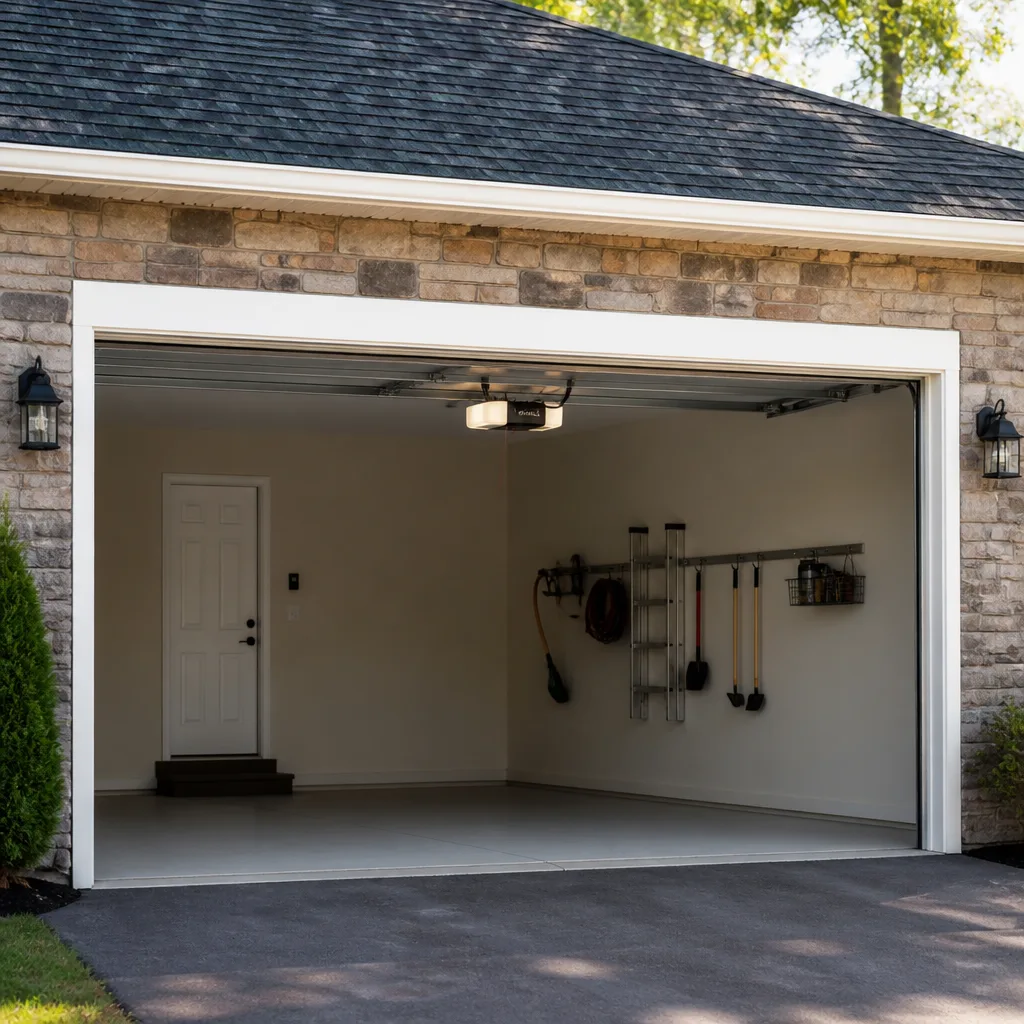 Chamberlain openers
Full 25-point door and opener safety check with every visit - springs, cables, rollers, tracks, and your LiftMaster or Chamberlain opener included
You get a price before we start. It does not change when the pro arrives.
Get your free estimateHow to Hire a Garage Door Contractor in Waterbury: A Step-by-Step Guide
Most Waterbury homeowners assume the hard part of hiring is finding names to call. It isn’t. The hard part is telling a real garage door specialist from a general handyman who bids low, then hands the actual repair to someone he’s never vetted. That gap is where wrong spring sizes, mismatched openers and vanishing labor warranties come from. This guide walks you through the process the way a trade professional would: the five questions that expose the difference, what Connecticut licensing actually requires, how to read an estimate line by line, and why the cheapest bid in Waterbury is often the most expensive one you’ll accept. Read it before anyone touches your door.
Quick Answer
To hire a garage door contractor in Waterbury, verify the business holds a Connecticut Home Improvement Contractor registration and carries liability insurance, ask what specific door and opener brands the technicians are trained on, and demand a written, itemized estimate before work begins. A true specialist works on the whole system (door, springs, tracks, and opener), answers brand questions without hesitation, and puts labor warranty terms in writing. If a bidder can’t do all four, keep calling.
Styles & brands we work with
- Raised-panel steel
- Carriage house
- Modern flush
- Full-view glass
- LiftMaster openers
- Chamberlain openers
Table of Contents
- Why a Garage Door Specialist Beats a General Handyman
- Five Questions to Ask Before You Book
- Connecticut Licensing and Insurance: What Applies and How to Verify It
- Authorized Dealer vs. Multi-Brand Specialist vs. Generalist
- How to Read a Written Estimate
- Why the Lowest Bid in Waterbury Usually Costs More
- What Waterbury’s Weather Does to Garage Doors
- Repair or Replace? How to Decide
Why a Garage Door Specialist Beats a General Handyman
Your garage door is the largest moving part of your house. It cycles up and down thousands of times a year, and every one of those cycles loads high-tension springs, cables and a motorized operator working in tandem. That’s not handyman territory. A specialist understands how the torsion system, the track geometry and the opener’s force settings interact, and diagnoses a symptom like “the door won’t close” by working through those systems in order rather than guessing at parts.
The practical difference shows up in three places:
- Diagnosis speed. A specialist recognizes the difference between a binding track, a worn roller, and a failing opener logic board. Those are three different repairs with three different parts, and only one of them lives inside the motor housing.
- Brand fluency. Most homes in Waterbury run equipment from a handful of manufacturers. When technicians are trained across LiftMaster, Chamberlain, Genie, Clopay, Amarr, Wayne Dalton, Craftsman and Raynor, they know the specific mechanics of whatever’s already in your driveway instead of learning it on your dime.
- Accountability. A handyman who subcontracts the work can’t warranty it. A specialist who performs it can put their name on the labor, in writing.
This is also why we built Ambassador Garage Door Repair around garage doors alone, with repair, opener repair and installation under one roof. When one outfit handles both the mechanical side (springs, panels, tracks) and the electronic side (opener, remotes, sensors), you have a single point of contact and nobody pointing at the other guy.
Five Questions to Ask Before You Book
These five questions separate the specialists from the pretenders faster than any review page. Ask them on the phone, before you schedule.
- “What garage door and opener brands do your technicians work on?” A good answer names brands specifically and covers both the door makers and the opener lines. A red flag is “we work on all of them” with no detail, or a list that stops at one brand.
- “Do you do the work yourselves, or subcontract it?” You want to hear that the person giving you the estimate is accountable for the repair. If the answer involves “my guy” or “we partner with someone,” you’ve found the gap this whole guide is about.
- “Are you registered in Connecticut, and can I see the registration number?” A legitimate contractor produces it without flinching. We’ll cover what to check in the next section.
- “Is the price I’m quoted the price I pay?” The right answer is that the written estimate sets the price and any change is agreed with you before work starts. A vague “it depends on what we find” without a written scope is a warning.
- “What’s the warranty on parts and on labor?” Parts warranties come from the manufacturer. Labor is on the contractor. If nobody will commit to the labor portion, the labor isn’t really covered.
Our technicians have up to 15 years of experience, and in that time the questions that catch people out are almost always the second and fifth ones. Subcontracted work and missing labor warranty are the two silent failure points.
Connecticut Licensing and Insurance: What Applies and How to Verify It
Garage door work in Connecticut generally falls under home improvement contracting, which means the contractor should hold a valid Home Improvement Contractor registration with the state. Read the requirements carefully when you verify, because the rules apply to the business you’re hiring, not just the person on the phone. If you’re unsure whether your specific job triggers a permit (a structural change to the opening, for example), ask Waterbury’s building department directly before you sign anything. A contractor who gets cagey about that call is telling you something.
Here’s how to verify a contractor in Waterbury, step by step:
- Get the registration number in writing. Ask for it on the estimate, not just verbally. A business that hesitates to put it on paper is one to skip.
- Check it against the state’s contractor lookup. Connecticut maintains a public registry of home improvement contractors. Match the name on the estimate to the name on the registration.
- Ask for a certificate of insurance. You want to see liability coverage for the business. If a technician is injured on your property and the company isn’t covered, the problem becomes yours.
- Confirm the names match. The name on the registration, the insurance certificate and the estimate should all be the same business. Mismatches are a common way fly-by-night outfits slip through.
- Ask about workers’ compensation. If the contractor has employees, workers’ comp should be in place. This is exactly the coverage that vanishes when work is subcontracted to someone unvetted.
None of this is exotic. It’s the same paper trail you’d expect from an electrician or a plumber, and a garage door contractor should hand it over as a matter of course. If you’re ever unsure, call (844) 783-9136 and we’ll walk you through what to look for, whether or not you end up booking with us.
Authorized Dealer vs. Multi-Brand Specialist vs. Generalist
Not every door problem needs the same kind of contractor, and knowing which category you’re talking to tells you what to expect from the bid.
A brand-authorized dealer sells and installs one manufacturer’s door line, usually with exclusive access to that brand’s newest models and factory warranty programs. That’s a good fit when you’re buying a specific new door from that maker. The limitation: if your existing opener is a different brand, or if you just need a spring replaced, a single-brand dealer may hand you off or decline the repair.
A multi-brand specialist works on whatever’s already installed, across the door makers and the opener lines alike. That’s the right category when your equipment is a mix of brands, when you don’t know what’s on your door, or when the failure is in the opener rather than the door. This is where we sit: our technicians are trained on eight of the most widely installed garage door and opener brands, so a Clopay door with a LiftMaster opener and a Chamberlain remote is a normal day, not a referral.
A generalist handyman can adjust a track, tighten a bracket, or lubricate rollers. That’s real work and sometimes it’s all you need. The line is high-tension springs, cable replacement and opener electronics. Those are where a generalist either subcontracts or improvises, and neither outcome serves you.
A short way to decide: if the work involves the torsion system or the motor, you want the specialist. If it’s a rattle, a track rub, or a remote that needs pairing, a handyman can usually handle it. When in doubt, ask what the tech is trained on. The answer tells you the category.
How to Read a Written Estimate
The estimate is where surprise charges are born. A vague line item like “repair garage door” tells you nothing about what’s being replaced, what brand the part is, or whether labor is included. A good estimate reads like a parts list with labor attached, and it gives you room to ask questions before anyone starts.
Look for these elements in every written estimate:
- Specific parts, named. “Torsion spring, matched pair” is a line item. “Springs” is not. The same goes for rollers, hinges and the opener model.
- Brand and model where it applies. If you’re replacing an opener, the estimate should say which one. Craftsman, LiftMaster, Chamberlain and Genie units differ in logic boards, rail types and programming, and the price reflects that.
- Labor broken out or clearly included. You need to know whether the number on the page is parts-only or all-in.
- Warranty terms. Parts warranty from the manufacturer, labor warranty from the contractor, written down.
- Clear scope. What gets done, and what explicitly doesn’t. If old hardware disposal is extra, it should say so.
- A stated final price. The written estimate sets the price. Any change should be agreed with you before work starts, and that sentence belongs on the paperwork.
One note specific to this trade: a spring price is usually quoted per spring. A matched pair is normally replaced together, so the pair costs roughly twice a single-spring quote. If an estimate gives you one number for “springs” with no indication of how many, ask. It’s a common source of sticker shock at the end of the job.
Why the Lowest Bid in Waterbury Usually Costs More
The cheapest bid wins the job and loses the homeowner money, and it happens for structural reasons rather than bad luck. A bid that undercuts the market has to cut something, and in garage door work the cuts land in the same few places every time.
Here’s what a low bid usually gives up:
- Correct spring sizing. Springs are matched to the door’s weight and height. An undersized or mismatched spring cycles fewer times before failure, and the door can be left with uneven tension that wears out the opener next.
- Compatible opener. A cheap replacement opener that doesn’t match your door’s weight or your existing safety sensors leads to repeat service calls. LiftMaster, Chamberlain and Genie units aren’t interchangeable in every application, and the wrong fit shows up later.
- Labor warranty. The savings often come straight out of the part of the deal that protects you after the technician pulls away.
- Insurance and registration. Unregistered, uninsured operators can bid lower because they carry less overhead and less risk. That risk lands on your property.
None of this means the highest bid is right either. It means the bid should be read line by line against the list in the previous section, not compared on the bottom number alone. When we quote a garage door repair job, the estimate is free, itemized, and agreed before work starts. That’s the standard to hold anyone to.
What Waterbury’s Weather Does to Garage Doors
Waterbury’s climate puts a real load on garage doors over the course of a year. The temperature swings between cold winters and warm, humid summers, and a garage door expands and contracts with every shift. Steel panels move, seals stiffen in the cold and soften in the heat, and weatherstripping along the bottom edge takes a beating from snowmelt and rain. The result is that doors in this part of Connecticut tend to show wear at the seals, hinges and rollers before the panels themselves give out.
Springs feel it too. A torsion spring is under constant tension, and the repeated thermal cycling shortens its usable life compared with a door kept in a stable climate. That’s one reason a spring that was replaced a few years ago can fail again: the cycle count in this climate adds up faster than most homeowners expect.
The practical takeaway is to inspect the door’s weather sealing and hardware each season rather than waiting for a failure. From the ground, look for daylight showing through the closed door’s edges, cracked rubber along the bottom, and rollers that have flattened or stopped turning. Don’t put your hands near the springs or cables to check anything. Those are under tension and should only be handled by a trained technician.
If you’re weighing whether a door in this climate is worth repairing, it’s worth a look at what a replacement involves. A specialist who handles both sides can tell you honestly which way makes sense for your door. We also cover garage door opener repair separately, since the opener and the door wear on different timelines.
Repair or Replace? How to Decide
Repair the door when the failure is one component and the panels, tracks and opener are otherwise sound. Replace it when the panels are dented across several sections, when the door is out of alignment in a way that keeps recurring, or when repair costs start stacking up against the price of a new door. There’s no single rule, but the decision usually comes down to a handful of questions.
Walk through these in order:
- Is the problem isolated? A single broken spring, a failed hinge or a dead opener logic board is a repair. Multiple failures at once suggest age is catching up with the door.
- Are the panels sound? Dented or rusted panels can’t be repaired like hardware. If most sections are damaged, replacement is the better answer.
- Is the door balanced? A door that’s been properly balanced and aligned doesn’t bind or strain the opener. If you’re constantly re-aligning it, something structural is off.
- Does the opener match the door? If the opener was swapped at some point without checking compatibility, a correction here can sometimes save the door.
- What’s the written estimate comparison? Ask for both a repair estimate and an installation estimate on paper. The decision is much easier with two numbers in front of you.
Before any of that, one safety point stands above the rest: never attempt to work on torsion springs or the cables that run alongside the door. They carry enough stored energy to cause serious injury, and this is the single most dangerous component in any garage door system. Leave it to a trained technician.
Common Mistakes to Avoid
- Hiring on price alone. A bid that’s noticeably below the others has usually cut the spring sizing, the brand compatibility check or the labor warranty. Read the estimate line by line before you compare totals.
- Not asking whether the work is subcontracted. This is the mistake that costs Waterbury homeowners the most. If the person who quotes the job doesn’t do the job, there’s no accountability when something goes wrong.
- Skipping the registration check. Connecticut’s contractor registry is public and quick to check. Confirming the registration number takes two minutes and it’s the cheapest insurance you’ll ever buy.
- Accepting a verbal price. Without a written estimate and a stated final price, you have no protection when the number on the invoice grows. Get it in writing, agreed before the work starts.
- Buying a mismatched opener by price. A cheap opener that doesn’t match your door’s weight or your existing sensors is a repeat service call waiting to happen. Brands like Chamberlain and Genie are built for different applications, and fit matters more than the deal.
- Ignoring an opener that’s failing slowly. A grinding or reversing opener rarely gets better on its own. Diagnosing it early often saves the door’s hardware from extra wear.
- Trying to handle spring work yourself. The savings are illusory. Torsion springs under tension are the one part of this trade that should never be DIY.
See the difference
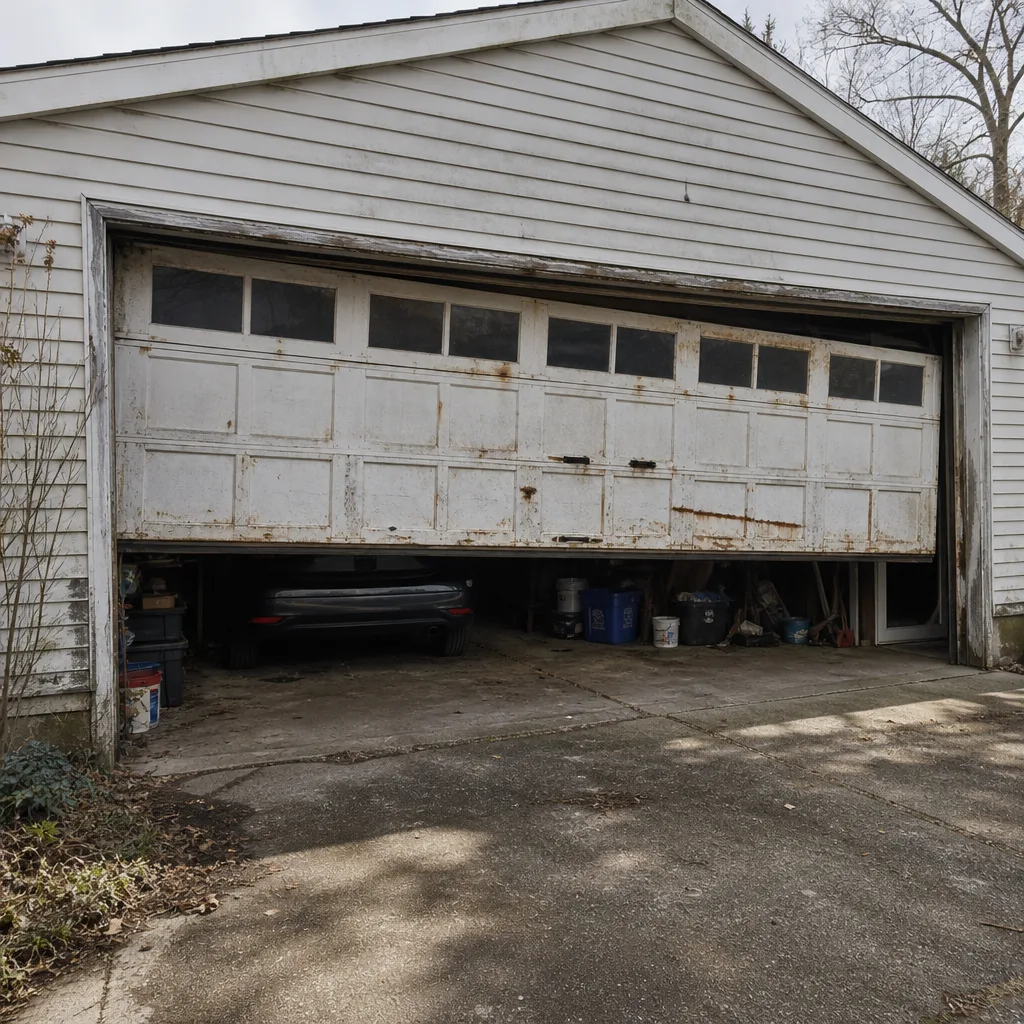 Before
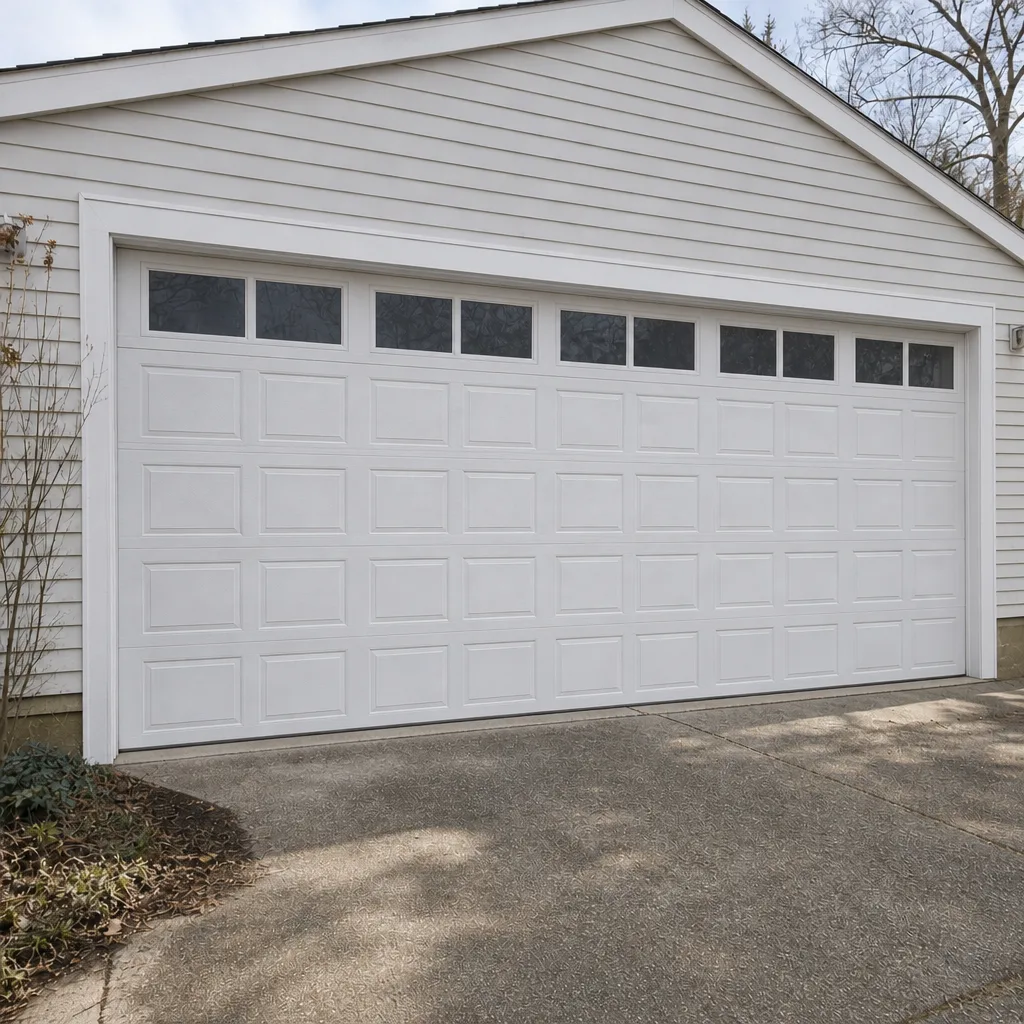 After
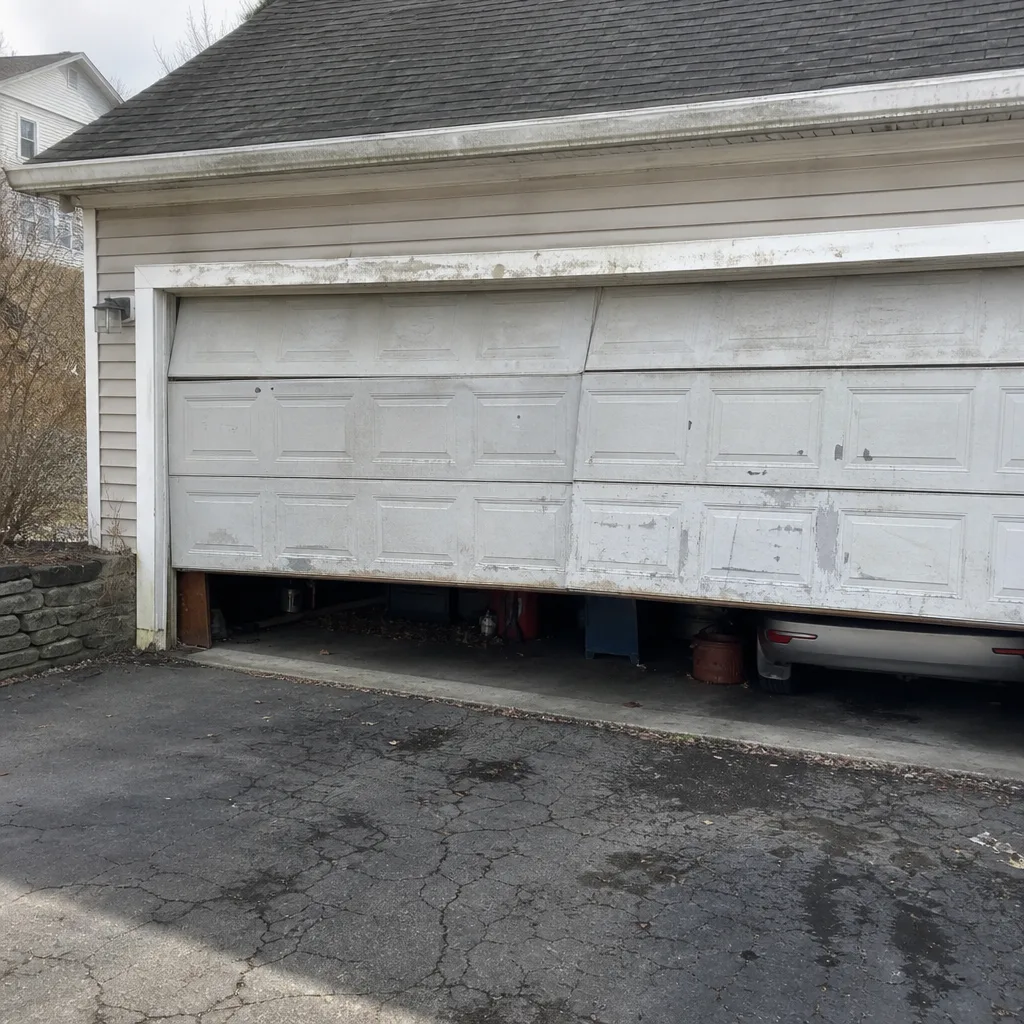 Before
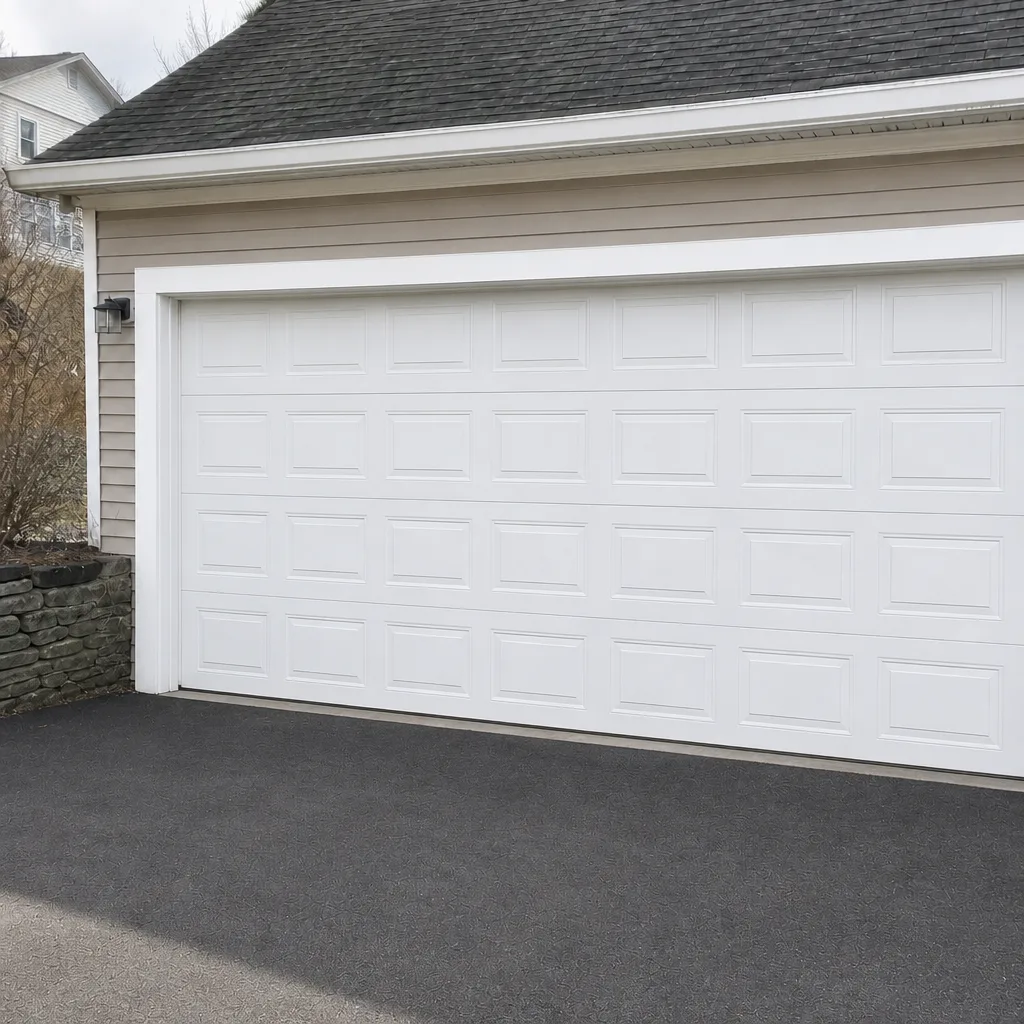 After
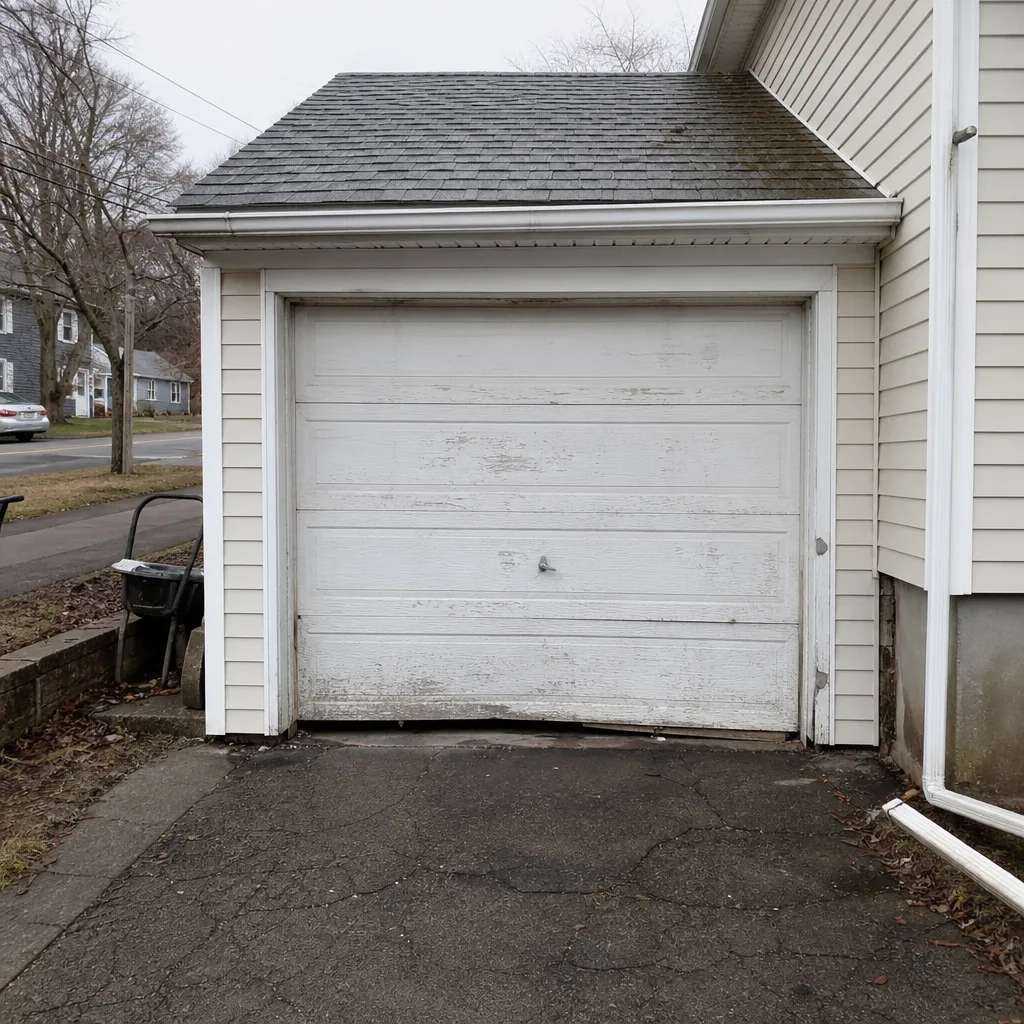 Before
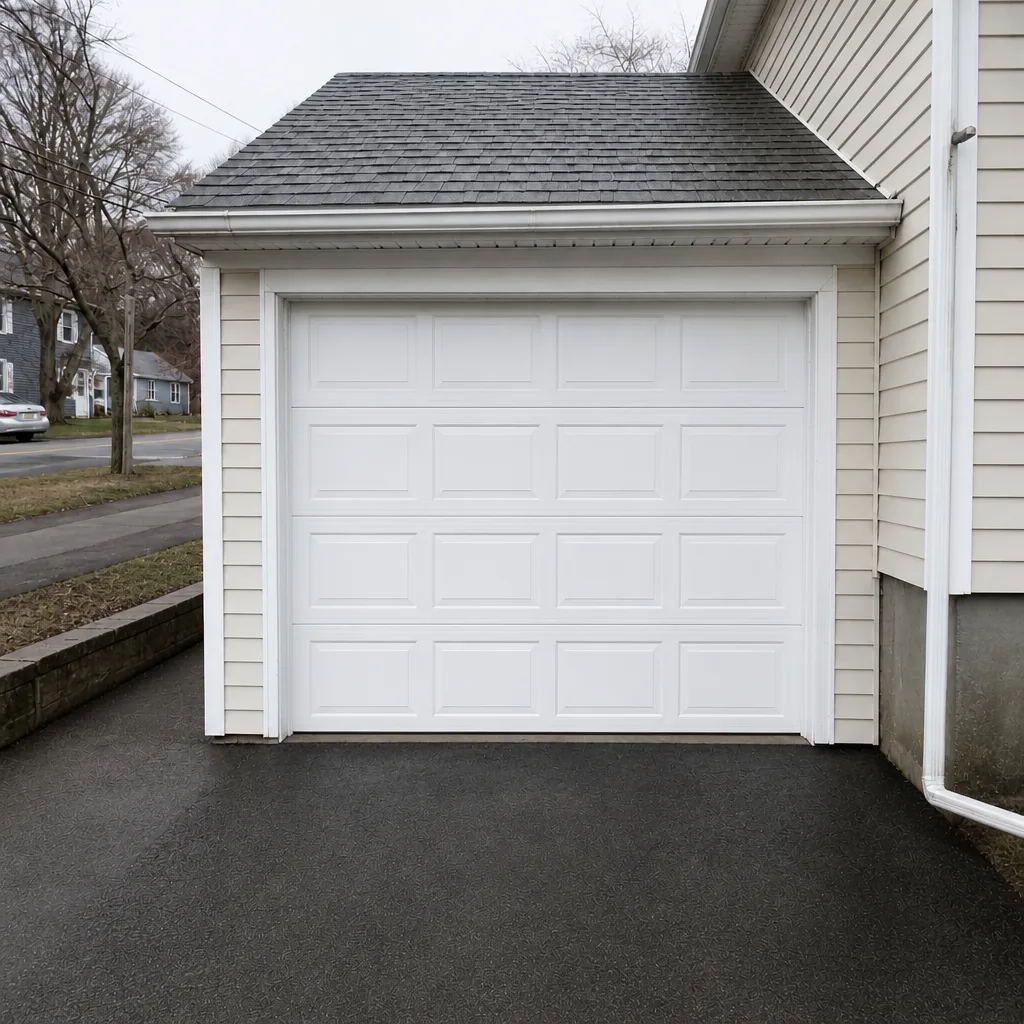 After
When to Call a Professional
Call a professional the moment the door stops moving in its normal arc, when you hear grinding, snapping or scraping from the opener or the torsion bar, or when the door reverses on its own before it reaches the ground. Those symptoms point at three different systems, and the wrong diagnosis leads to unnecessary parts. Other clear signals: a door that’s visibly off the track, a bottom seal that won’t sit flat, daylight showing through the closed panel edges, and any sign of a spring that looks stretched or broken. Do not try to test the spring yourself. Call instead, and describe what you’re seeing so the technician arrives prepared.
Ambassador Garage Door Repair offers free estimates in Waterbury. Call (844) 783-9136 to book one. We answer 24/7 and run fast dispatch from 7am to 7pm, Sunday through Friday. If the door is down and you need it working again, that’s exactly the call we’re set up for.
Frequently Asked Questions
Ask for the Home Improvement Contractor registration number in writing, then check it against the state’s public contractor registry and confirm it matches the business name on your estimate. Ask for a certificate of insurance at the same time, and confirm the names on the registration, the insurance and the estimate all line up. Call (844) 783-9136 if you want a second set of eyes on what you’ve been given, and we’ll walk you through it at no cost.
For springs, cables, tracks in structural trouble, or anything involving the opener’s electronics, hire a specialist. A general handyman can handle minor adjustments like lubricating rollers or tightening a bracket, but high-tension work and opener diagnostics belong with someone trained on the specific brands in your garage. Ask what the technician is trained on and let the answer guide you. Estimates from Ambassador are free, so there’s no risk in getting a specialist opinion: (844) 783-9136.
A contractor who works the Waterbury market regularly should know the manufacturers most commonly installed in homes here, which means both the door makers and the opener lines. Manufacturers like Clopay, Amarr, Wayne Dalton and Raynor make the doors; LiftMaster, Chamberlain, Genie and Craftsman make the openers. We’re trained across all of them, so whether you need a Clopay panel addressed or a Craftsman opener diagnosed, it’s the same call. (844) 783-9136 gets you a free estimate.
Get a written estimate that names the parts, states the brand where it applies, and gives a final price, and confirm that any change will be agreed with you before work starts. Vague line items like “repair door” are where surprise charges come from. Ask specifically whether the price is all-in or parts-only. We quote the job before we start it, and the written estimate is the price you pay. Call (844) 783-9136 to get one.
Because the savings usually come out of the spring sizing, the brand compatibility check or the labor warranty, which are the parts that protect you later. An undercut bid also tends to come from unregistered or uninsured operators who carry less overhead and less risk. That risk doesn’t disappear when they leave. Compare estimates line by line and hold every bidder to the same list. For an itemized free estimate from a specialist, call (844) 783-9136.
It contributes. Cold winters and humid summers make the door expand and contract with the seasons, which wears down seals, hinges and rollers faster and shortens the usable life of torsion springs. Inspecting the weatherstripping and hardware each season heads off most failures. For anything involving the springs, call a trained technician rather than checking it yourself. We can take a look at a Waterbury address with a free estimate: (844) 783-9136.
The Bottom Line
Hiring a garage door contractor in Waterbury comes down to a handful of questions and a piece of paper. Verify the Connecticut registration and insurance. Ask what brands the technicians are trained on, and whether the work is done in-house or subcontracted. Get a written, itemized estimate with the final price and warranty terms stated clearly. Then read it line by line rather than comparing bottom numbers. The cheapest bid is the one that most often leaves you with the wrong spring, the wrong opener and no labor warranty, and the door is your home’s largest moving part. A specialist who works on the whole system, from the door to the opener, is worth the call. Call (844) 783-9136 for a free estimate. We answer 24/7 and dispatch fast from 7am to 7pm, Sunday through Friday.
Written by the team at Ambassador Garage Door Repair.