
Last updated November 15, 2026
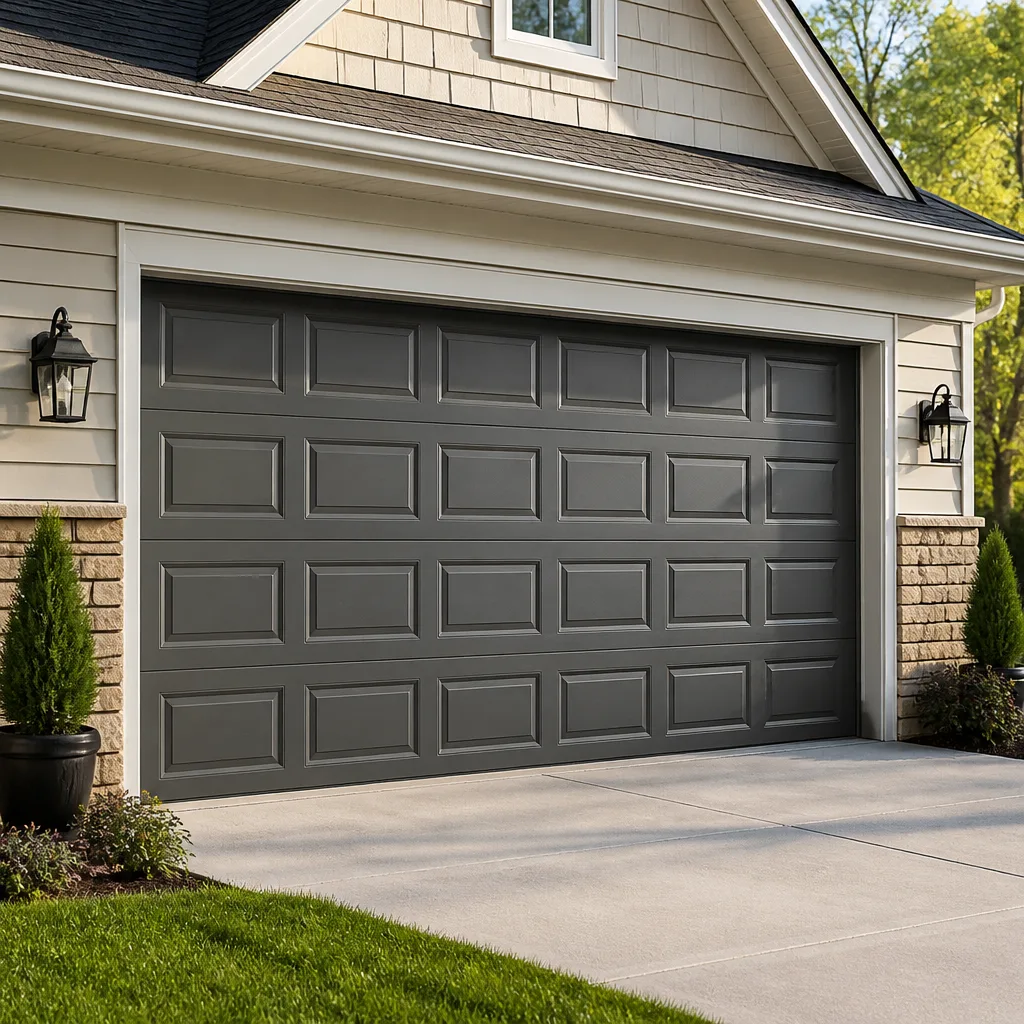 Raised-panel steel
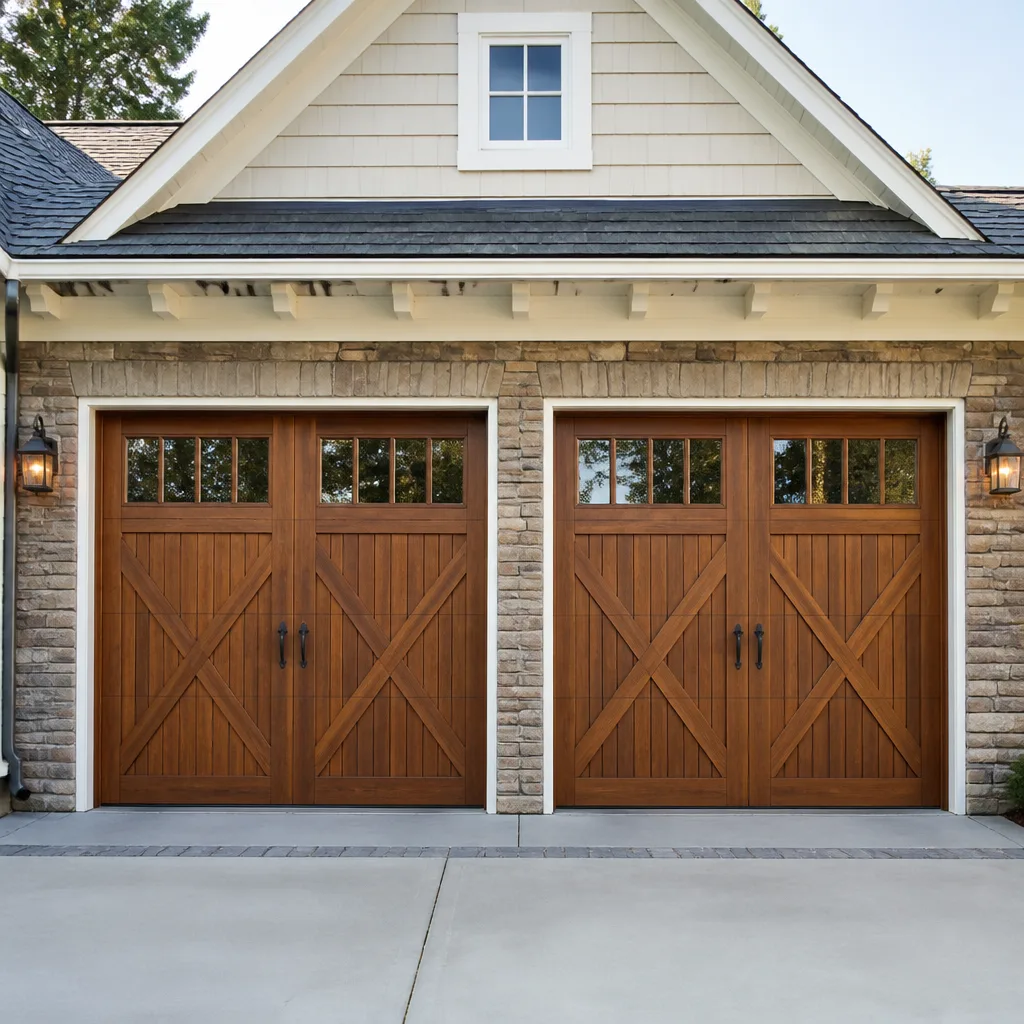 Carriage house
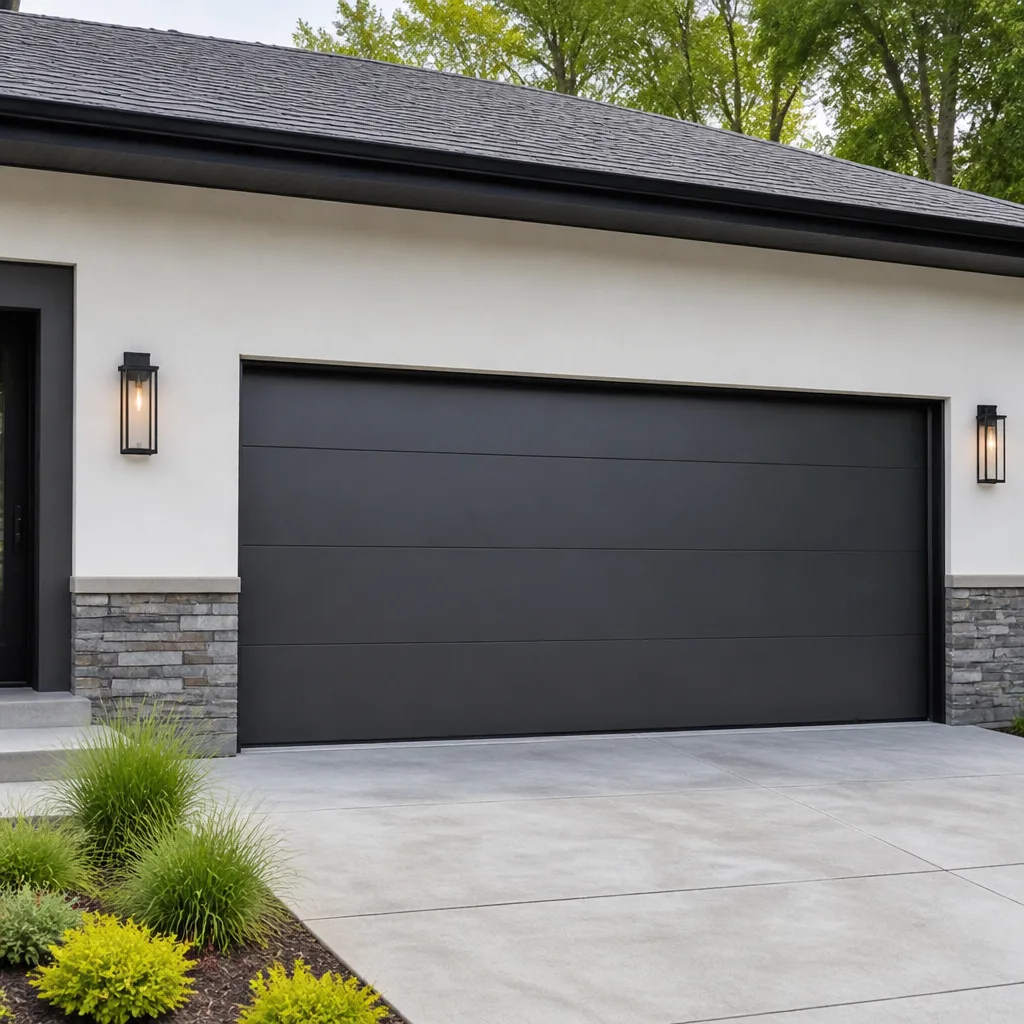 Modern flush
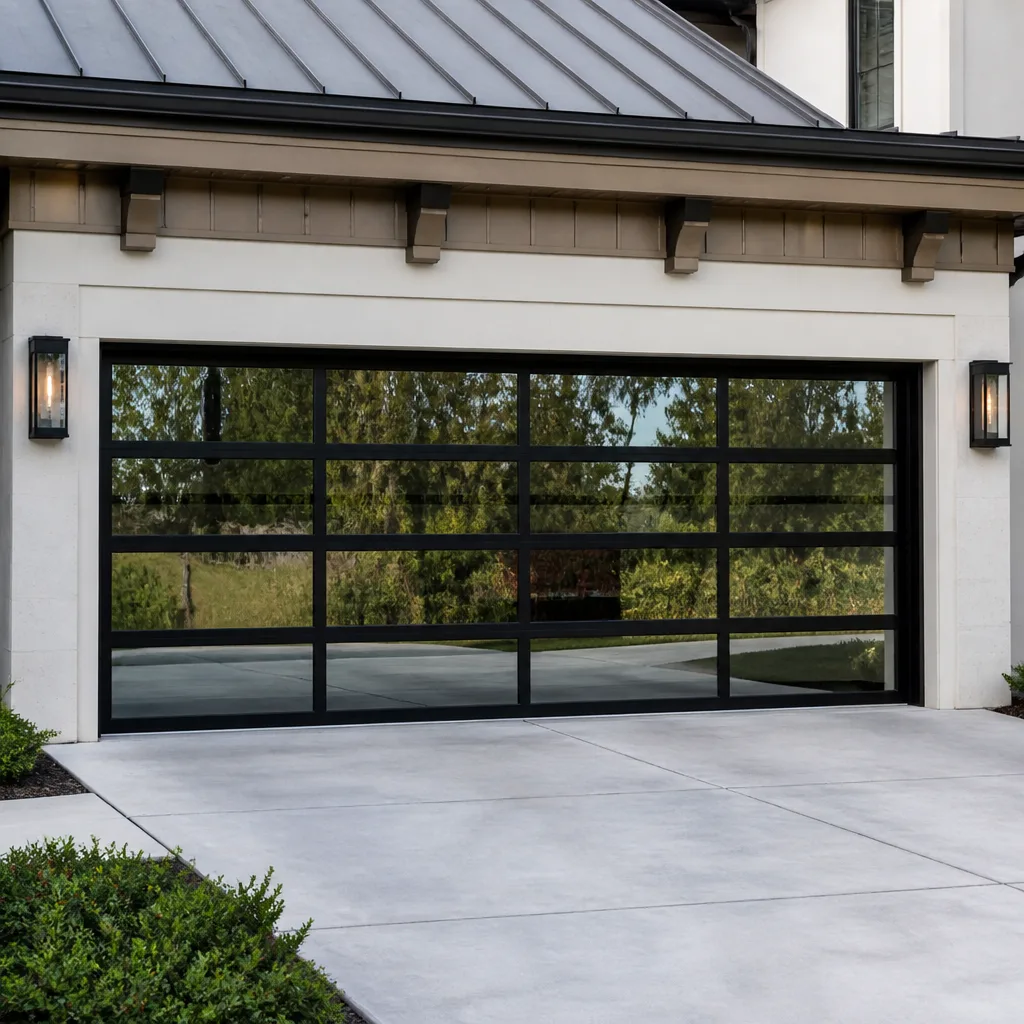 Full-view glass
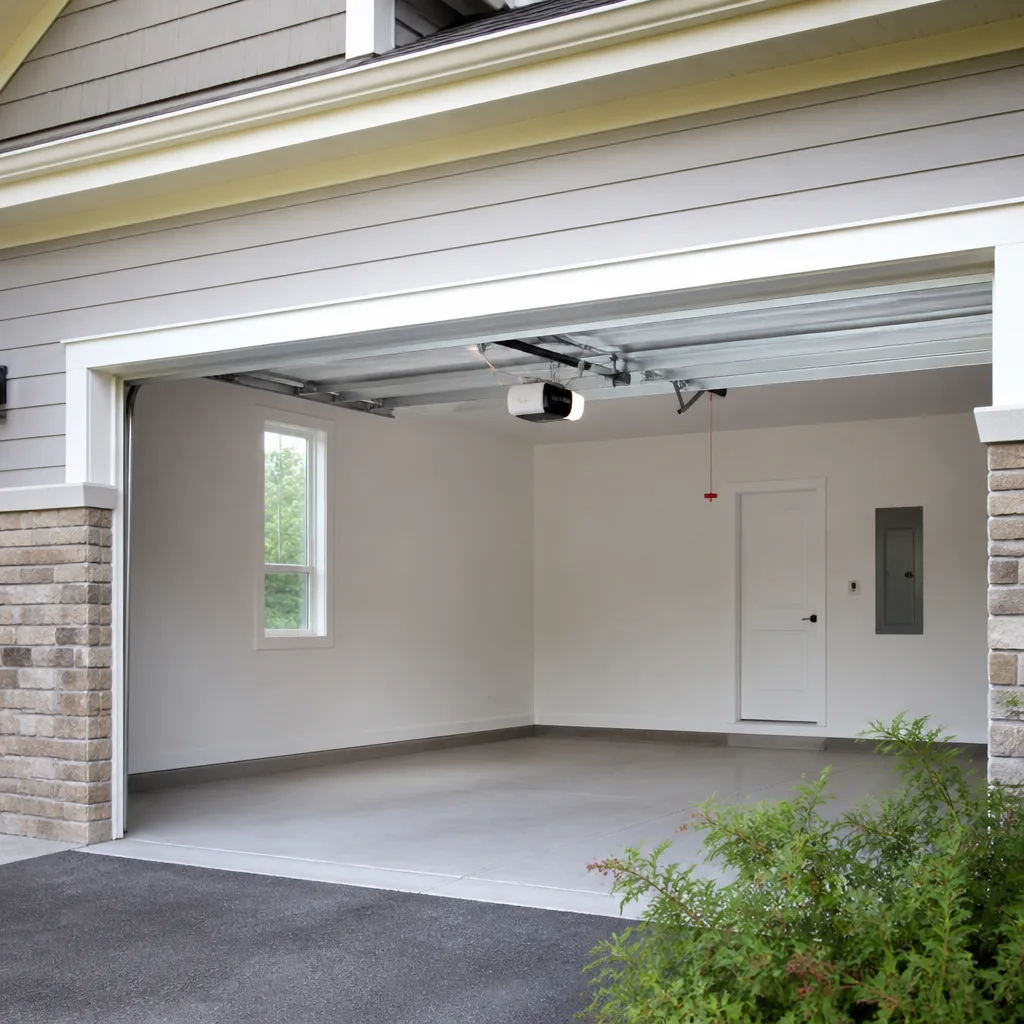 LiftMaster openers
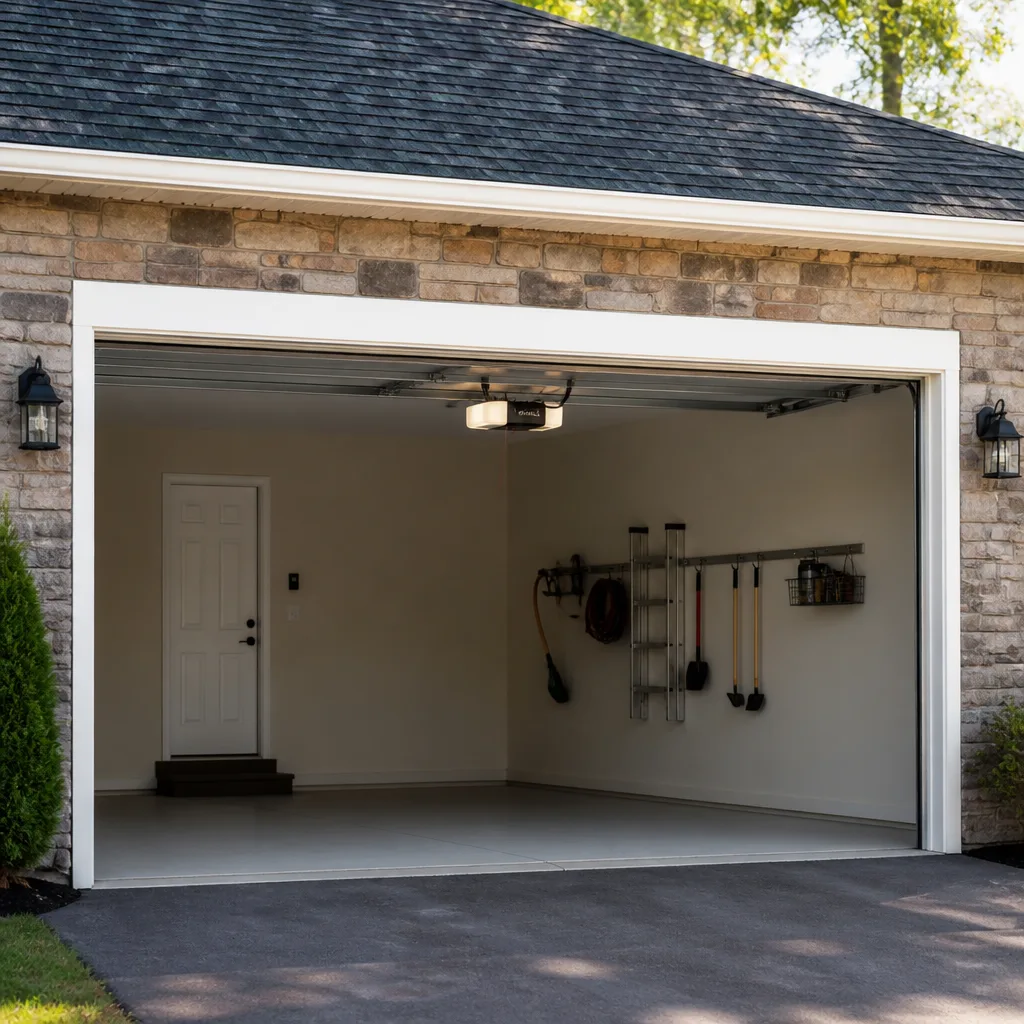 Chamberlain openers
Full 25-point door and opener safety check with every visit - springs, cables, rollers, tracks, and your LiftMaster or Chamberlain opener included
You get a price before we start. It does not change when the pro arrives.
Get your free estimateSeasonal Garage Door Care for Waterbury: Year-Round Homeowner’s Guide
Most homeowners treat garage door maintenance as a winter problem, and that’s the mistake this guide exists to correct. The door freezing to the floor in January isn’t a cold-weather event; it’s the result of a weatherseal that went unaddressed back in October, when the air was still mild and the problem was invisible. In Waterbury, the door passes through four genuinely different stress regimes each year – a damp spring, a humid summer, a fast, wet autumn, and a hard freeze – and each one asks something different of your springs, tracks, opener, and seals. This guide assigns specific tasks to specific seasons, so you’re prepping for the next phase instead of reacting to the last one.
Styles & brands we work with
- Raised-panel steel
- Carriage house
- Modern flush
- Full-view glass
- LiftMaster openers
- Chamberlain openers
Quick Answer
Seasonal garage door care in Waterbury means matching maintenance to the local climate: check and clear the bottom seal and treat the weatherstripping in fall before the first freeze, watch humidity effects on wood doors and opener boards in summer, clear road salt and grit from tracks and hinges after winter storms, and do a full hardware inspection in spring once the freeze risk passes. The single most important month is October – that’s when weatherseal prep prevents the January and February freeze-bond that leaves so many Waterbury doors stuck to the floor at 6 a.m.
Table of Contents
- Why Waterbury’s Climate Is Unusually Hard on Garage Doors
- Spring: Post-Winter Inspection and What Can Wait vs. What Can’t
- Summer: How Humidity Causes as Many Problems as Cold
- Fall: The Weatherseal Prep Sequence That Prevents a January Freeze
- Winter: Managing Ice, Salt Migration, and Cold-Stiff Hardware
- Month-by-Month Maintenance Calendar for Waterbury
- What Road Salt Does to Your Bottom Seal, Tracks, and Springs Over Time
- Common Mistakes to Avoid
- When to Call a Professional
- Frequently Asked Questions
Why Waterbury’s Climate Is Unusually Hard on Garage Doors
Waterbury sits in a part of Connecticut where all four seasons push on garage door hardware in ways a mild climate never does, and where they arrive fast. Spring comes in damp and cool, with a lot of freeze-thaw cycling at night. Summer turns humid – often more humid than homeowners expect for inland New England – and stays warm enough that condensation forms on cold metal in garages that aren’t conditioned. Fall is short and wet, and the temperature drops quickly enough that a weatherseal neglected in October becomes a bonded seal by the first hard freeze. Winter delivers sustained cold, snow, and the road salt that municipalities and residents spread on driveways and streets throughout the Waterbury area.
Each of those phases hits the door differently. The springs and cables handle load and temperature-driven contraction. The tracks handle grit, ice, and alignment. The bottom seal and weatherstripping handle moisture and the freeze bond. The opener – whether it’s a LiftMaster or a Chamberlain unit or one of the other widely installed brands – handles the logic and the sensitivity settings that decide whether the door reverses or refuses to close. Your garage door is your home’s largest moving part, and in a climate with four real seasons, it goes through more cycles of stress in a year than the same door would in a decade somewhere milder.
We’ve seen this pattern repeat across neighborhoods from Bunker Hill to the East End, and it’s why a generic “check your door twice a year” suggestion doesn’t cut it here. The tasks and timing matter as much as the task itself. What follows is a season-by-season breakdown for Waterbury, built around what the local weather actually does to the hardware.
Spring: Post-Winter Inspection and What Can Wait vs. What Can’t
Spring is the season of triage. A Waterbury winter leaves a mark on every garage door, but not every mark is urgent. The goal of a spring inspection is to separate the damage that threatens safety or function from the wear that can be monitored and handled on a normal maintenance timeline.
Needs immediate repair (do not wait):
- A snapped or visibly stretched torsion spring, or a door that slams down instead of lowering smoothly
- Frayed, kinked, or rusted-through lift cables
- A door that comes off its tracks or hangs crookedly – a sign a cable or spring has failed asymmetrically
- An opener that reverses on its own, refuses to close, or runs but doesn’t move the door
Can wait, but schedule it:
- Rust spots on hinges, rollers, or track sections – treat them before they seize
- A stiff or squeaky door that still opens and closes fully – lubrication and adjustment territory
- Weatherstripping that’s flattened or torn – plan it before the next fall
- Cosmetic panel dents from winter debris
The spring inspection is also the right time to look at the door’s balance. Disconnect the opener and lift the door halfway by hand: it should stay put. If it drifts down or feels heavy, the springs have lost tension over the winter and need adjustment by someone who knows how to work with them safely. Torsion springs store enormous energy, and adjusting or replacing them is the one task on this entire list we’d tell you never to attempt yourself – this is trained-professional work, full stop.
Summer: How Humidity Causes as Many Problems as Cold
Ask most homeowners what damages a garage door and they’ll say winter. Ask us, and summer humidity is right up there. Waterbury summers get humid enough that an unconditioned garage becomes a damp box, and that damp does specific things homeowners tend to miss until something fails.
Wood doors and moisture
If you have a wood door – and there are plenty still in service on older homes around Waterbury – summer humidity is when the wood absorbs moisture, swells, and then dries and shrinks when the season turns. Over repeated cycles the joints loosen, the finish cracks, and the door starts to warp or bind in the tracks. The tell is a door that sticks in the middle of summer and frees up in fall. Painting or sealing wood doors before the humid stretch is real protection, not cosmetics.
Opener logic boards and condensation
Modern openers carry logic boards, and humidity finds them. Condensation on a board can produce erratic behavior – remotes that work intermittently, a door that reverses for no apparent reason, lights that flicker or won’t turn off. When a Genie or Raynor opener starts acting strangely in July, humidity is one of the first things we check. It’s also a good reason to keep the opener housing sealed and the garage ventilated where possible. If the symptom is a board, the fix belongs with a specialist who knows the specific unit, not a generalist guessing at it.
Metal expansion and track alignment
Warm metal expands. Tracks that were straight in February can develop a slight bow or gap by August, and that’s often enough to make rollers bind or the door drag. A quick visual check for track alignment in mid-summer catches it early.
Fall: The Weatherseal Prep Sequence That Prevents a January Freeze
This is the section that matters most, because October is when you prevent the problem most homeowners only discover in January. Freeze-bonding – a door frozen to the garage floor – happens when moisture gets under or around the bottom seal, then freezes. Prep the seal before the freezing starts and the bond never gets a chance to form.
The fall weatherseal prep sequence (do this in October):
- Inspect the bottom seal along its full length. Look for cracks, flattening, tears, and sections that no longer make contact with the floor. A seal that’s lost its spring can’t keep water out.
- Clean the bottom seal and the floor beneath it. Grit, leaves, and debris trapped under the seal hold moisture against it through the winter.
- Check the threshold. A cracked or uneven concrete floor along the door line lets water pool where the seal meets the ground. If the floor has a low spot, the seal needs to be able to conform to it.
- Treat or replace worn weatherstripping on the sides and top. This is your wind and water barrier, and it degrades faster than homeowners expect.
- Lubricate hinges, rollers, and the torsion spring coils with a proper lubricant. Cold makes everything stiffer; a door that’s already stiff becomes a door that strains the opener or the spring.
- Test the opener’s safety reverse and force settings. Cold changes the resistance the opener meets, and a sensitivity setting that worked in July may trip in January. Adjust it now.
- Clear the driveway and garage apron of debris before the first snow. This keeps meltwater from pooling against the door.
That sequence is the difference between a door that opens smoothly through a Waterbury winter and one that needs a technician in the middle of the worst cold. If you only do one seasonal task all year, make it this one.
Winter: Managing Ice, Salt Migration, and Cold-Stiff Hardware
Once the freeze sets in, the job shifts from prevention to management. There’s less you can adjust and more you need to watch. Cold turns lubricant thick, makes springs more brittle and more prone to snapping, and stiffens every seal and roller on the door.
Ice at the door-to-floor line
If meltwater runs under the bottom seal and refreezes overnight, the door bonds to the floor. If you find it stuck, don’t force it – pulling a stuck door with the opener can damage the operator, strip gears, or snap a cable. Free it gently at the seal, and if it recurs, the bottom seal is the culprit and needs attention.
Road salt migration
Salt doesn’t stay on the driveway. Cars pull in with salt-laden snow packed in the wheel wells, and as it melts the saltwater runs across the garage floor, down the apron, and into the bottom seal, the door’s lowest panel, and the track section nearest the floor. Repeated exposure attacks metal: the bottom seal stiffens and cracks, the lower track and hinges rust, and over time the corrosion creeps toward the springs. This is one of the most underrated long-term causes of garage door hardware failure in Waterbury, because the damage accumulates invisibly over several winters before the door starts to bind.
The practical defense is rinsing and wiping the lower track, hinges, and bottom seal a few times through the winter, and keeping the floor swept of salt residue. It won’t stop corrosion, but it slows it enough to matter.
Month-by-Month Maintenance Calendar for Waterbury
This is the heart of the matter: specific tasks for specific months, matched to what Connecticut weather actually does. Use it as a checklist you return to through the year.
January and February – deep freeze
- Watch for freeze-bonding at the floor line; free gently, never force
- Listen for a change in the sound of the opener – groaning or straining can mean a spring is weakening in the cold
- Keep snow and ice clear of the door apron so meltwater doesn’t pool against the seal
March and April – thaw and triage
- Full post-winter inspection (see the spring section above)
- Clear road salt and grit from the lower track and hinges
- Check cables for fraying or rust, springs for stretch or snap
- Test the opener’s reverse function after the season’s cold cycles
May and June – humidity watch
- Paint or seal wood doors before the humid stretch sets in
- Check track alignment as warm weather expands the metal
- Watch for erratic opener behavior; humidity and logic boards don’t mix
- Lubricate hinges and rollers
July and August – peak heat and damp
- Recheck for track bowing and roller binding
- Watch for warping or binding on wood doors
- Keep the garage ventilated where possible to reduce condensation
September and October – the critical prep window
- Run the full fall weatherseal prep sequence above
- Replace worn weatherstripping and the bottom seal if needed
- Lubricate all moving parts before the cold stiffens them
- Adjust opener force and sensitivity settings for the coming cold
November and December – first freezes
- Confirm the door is closing fully and sealing to the floor
- Clear the apron of leaves and debris before the first snow
- Recheck that nothing is binding as the temperature drops
What Road Salt Does to Your Bottom Seal, Tracks, and Springs Over Time
The corrosion from road salt isn’t dramatic; it’s slow, and that’s exactly why it’s easy to ignore until a repair is unavoidable. Here’s how it plays out across the three parts of the door most exposed to it.
- Bottom seal. Saltwater sits against the seal whenever a car pulls in wet. The salt draws moisture and stiffens the rubber or vinyl, then cracks it. A stiff bottom seal can’t conform to the floor, which makes freeze-bonding more likely the next winter – a compounding problem.
- Tracks. The lowest sections of track get the most exposure. Rust forms where the saltwater settles, roughens the track surface, and makes rollers bind. A binding roller puts extra strain on the opener and the springs.
- Springs. Salt corrosion on spring coils weakens the metal over repeated winters. A spring that’s been eaten by corrosion is more likely to fail, and it fails without warning. Since springs are the part that carries the door’s weight, corrosion there is a safety issue, not just a repair bill.
The takeaway: a few minutes of rinsing and wiping the lower door after salt exposure a few times each winter extends the life of all three components. For heavier wear, a technician can assess what needs replacing before it fails.
Common Mistakes to Avoid
- Waiting until the door freezes to think about the seal. The January freeze bond is set in October. Prepping the weatherseal in fall is far easier than freeing a stuck door in the cold.
- Forcing a frozen door with the opener. Pulling a bonded door with the operator can damage gears, strip the trolley, or snap a cable. Free it at the seal by hand, gently.
- Ignoring summer humidity because “it’s not winter.” Warped wood doors and erratic logic boards in July are humidity problems. They cost less to prevent than to fix.
- Never rinsing salt off the lower door and track. Waterbury’s winter roads mean salt exposure every season. Skipping the rinse lets corrosion creep toward the springs over several winters.
- Attempting spring or cable work yourself. Torsion springs store dangerous energy. Adjustment and replacement belong with a trained professional, every time. This is the one item on this list where a do-it-yourself attempt can seriously hurt you.
- Treating a strained or groaning opener as normal. A change in sound through the cold months often signals a weakening spring or a stiff door. Have it checked before it fails.
- Guessing at brand-specific parts and settings. A Chamberlain opener and a Raynor door have different mechanics and settings. A specialist who works across the major brands – not a generalist – is the right call when something needs adjustment or a part.
When to Call a Professional
Some seasonal tasks are homeowner-friendly: rinsing salt, clearing debris, lubricating hinges and rollers, and visual inspections. Others cross the line into work that should be handled by a trained professional. Call a specialist when a spring has snapped or is visibly stretched; when a cable is frayed, kinked, or rusted; when the door comes off its tracks or hangs crookedly; when the opener reverses, refuses to close, or runs without moving the door; when the door binds or strains in any season; and whenever you’re unsure whether a symptom is cosmetic or structural. Springs and cables aren’t a do-it-yourself job – the stored energy is dangerous, and a mistake can be serious.
Ambassador Garage Door Repair offers free estimates in Waterbury – call (844) 783-9136. We work on whatever’s already in your driveway, from the opener to the door itself, and our technicians have up to 15 years of experience across the major door and opener brands. Whether the problem turns out to be mechanical or electronic, you get one point of contact and a written price before any work begins.
Frequently Asked Questions
October. That’s when fall weatherseal prep prevents the January and February freeze-bond that leaves so many Waterbury doors stuck to the floor. Inspecting and cleaning the bottom seal, addressing worn weatherstripping, lubricating moving parts, and adjusting the opener’s settings in October is the single highest-value maintenance task of the year, because it heads off the most common winter failure before it starts.
Yes, and it’s often overlooked because homeowners associate damage with winter. Summer humidity warps and binds wood doors by swelling and shrinking the wood through the season, and it causes condensation on opener logic boards that produces erratic behavior – intermittent remotes, random reversing, flickering lights. Checking wood doors and opener performance in summer catches these early.
Moisture gets under or around the bottom seal, then refreezes overnight and bonds the door to the concrete. It’s usually a sign the bottom seal has lost its fit or the threshold has a low spot that lets water pool. Prepping the seal in fall – and addressing any cracks or flattening – is what prevents it. If it recurs, the seal needs attention.
Saltwater from wet cars runs across the floor and into the bottom seal, the lowest track sections, and the hinges closest to the ground. Over several winters it stiffens and cracks the seal, rusts the track and makes rollers bind, and corrodes the spring coils – which weakens the metal that carries the door’s weight. Rinsing and wiping the lower door a few times each winter slows the damage.
In spring, look for snapped or stretched springs, frayed or rusted cables, a door off its tracks or hanging crookedly, and an opener that reverses or won’t close – all of which need immediate repair. Rust on hinges and tracks, a stiff or squeaky door, and worn weatherstripping can be scheduled on a normal timeline. Springs and cables are the safety-critical items; don’t test or adjust them yourself.
No. We quote and agree the price with you before any work starts, and the written estimate is the price. Our estimates are free, and you’ll know the cost before we touch the door. Call (844) 783-9136 for an exact quote – estimates are free.
The Bottom Line
Seasonal garage door care in Waterbury isn’t a vague “check it twice a year” suggestion – it’s a specific calendar. October is the month that matters most, because fall weatherseal prep prevents the winter freeze-bond. Summer humidity deserves as much attention as winter cold, especially for wood doors and opener boards. Road salt quietly corrodes the bottom seal, tracks, and springs all winter, and a rinse a few times a season buys real time. Spring is for triage: fix the cables, springs, and opener faults right away; schedule the wear. Handle the simple tasks yourself, and leave springs and cables to a trained professional. Our technicians have up to 15 years of experience working on whatever’s already in your driveway, across the major door and opener brands.
Ready to get ahead of the season? Call Ambassador Garage Door Repair at (844) 783-9136 for a free estimate. We answer 24/7. Fast dispatch from 7am to 7pm, Sunday through Friday. You can also explore our Ambassador Garage Door Repair services, learn about garage door repair for mechanical problems, or read up on garage door opener repair when the issue is electronic.
Written by the team at Ambassador Garage Door Repair.
See the difference
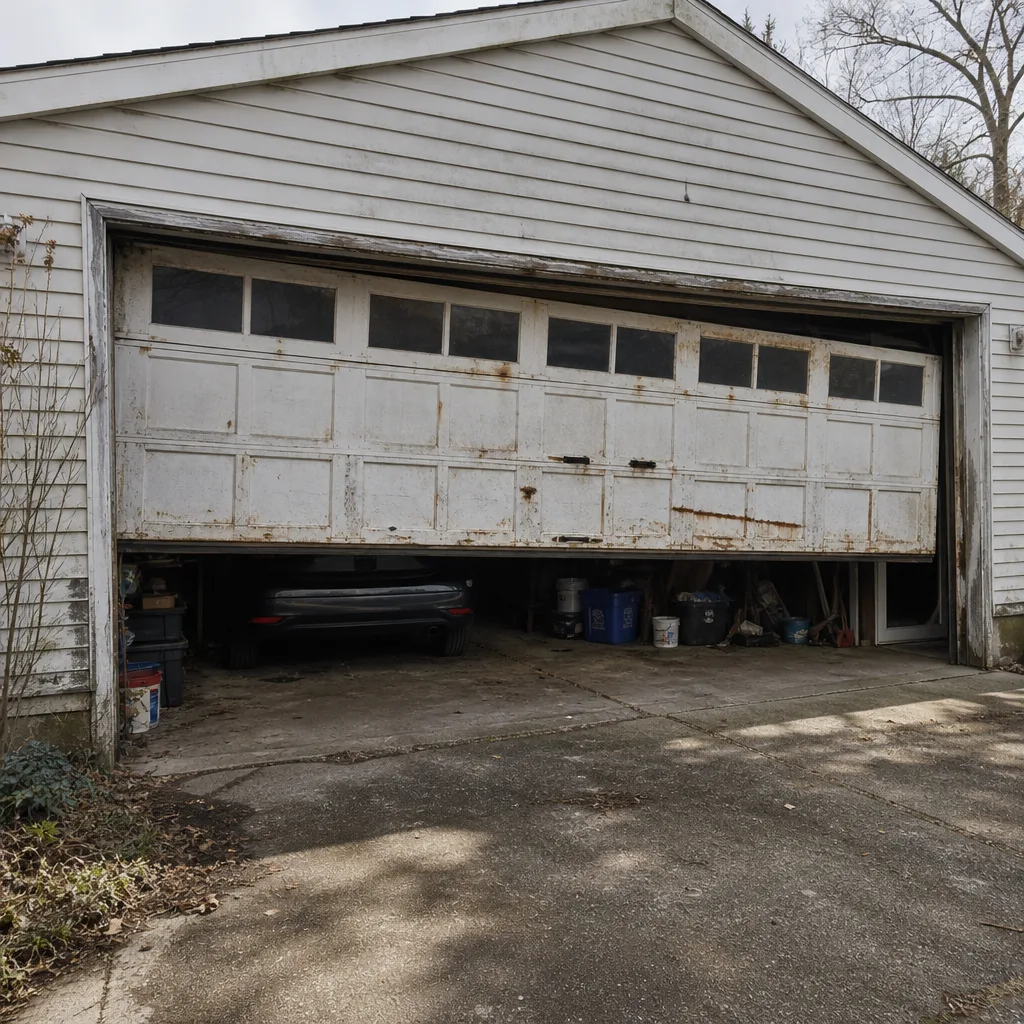 Before
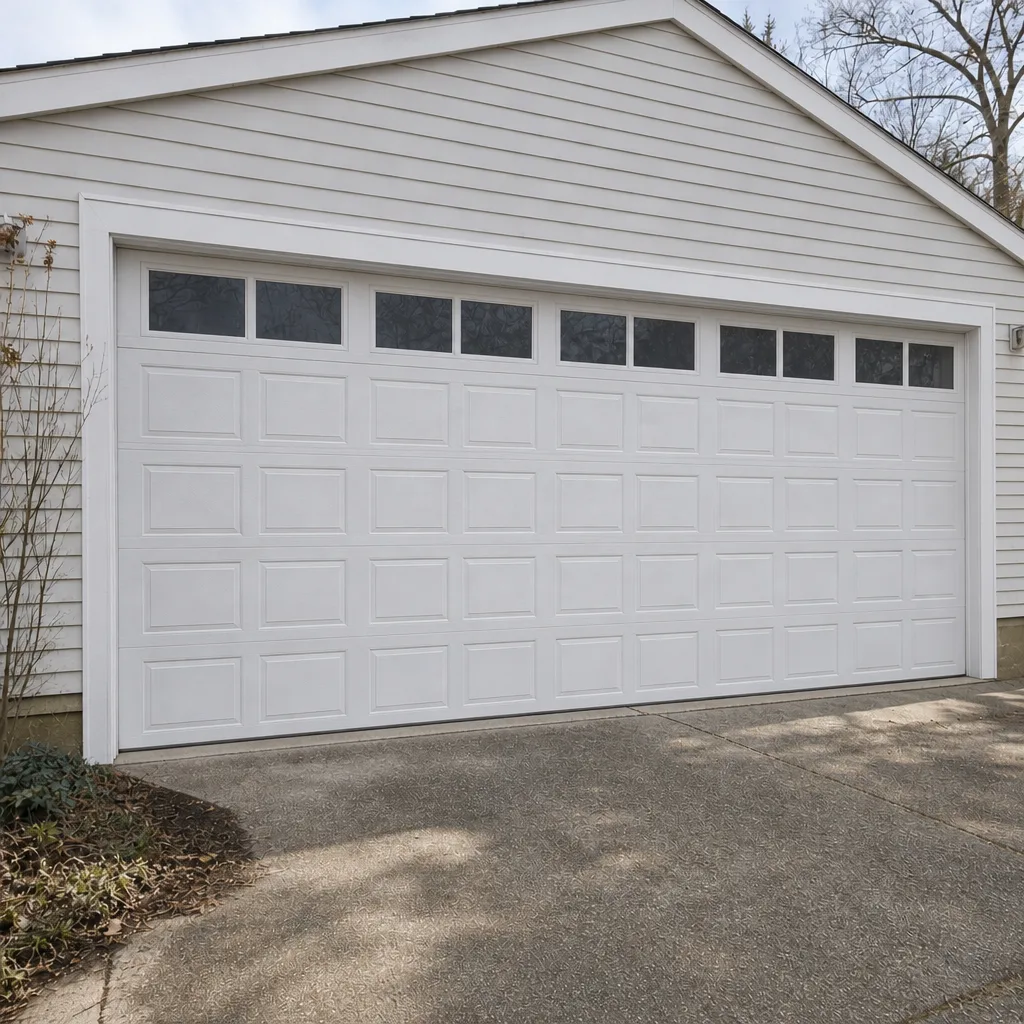 After
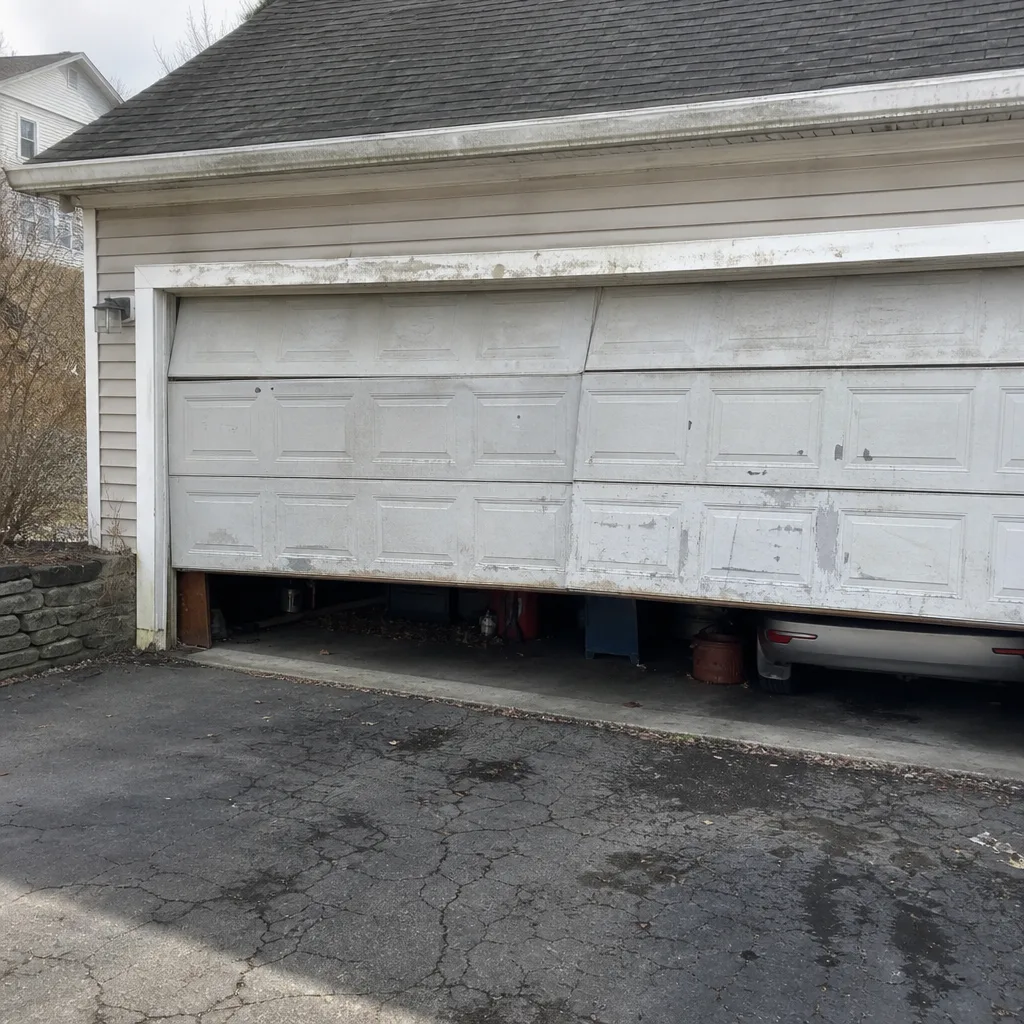 Before
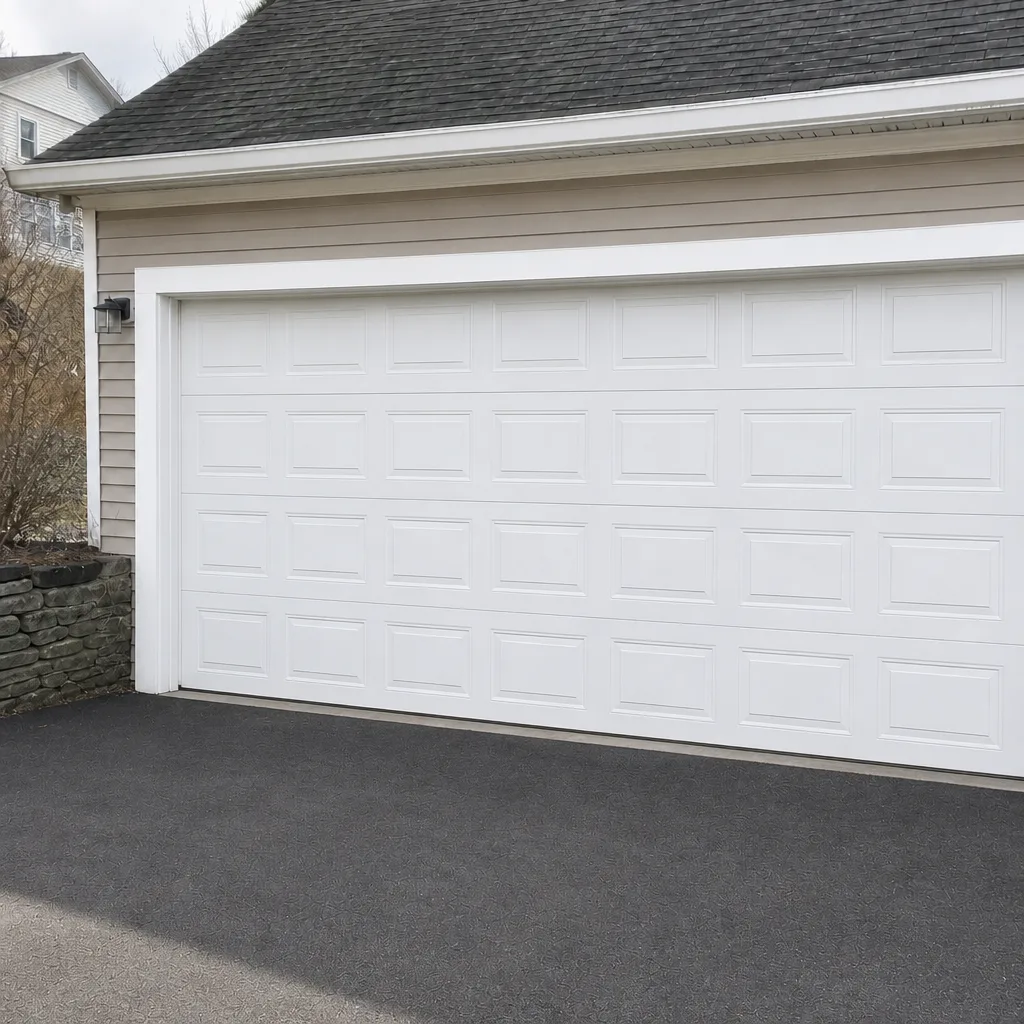 After
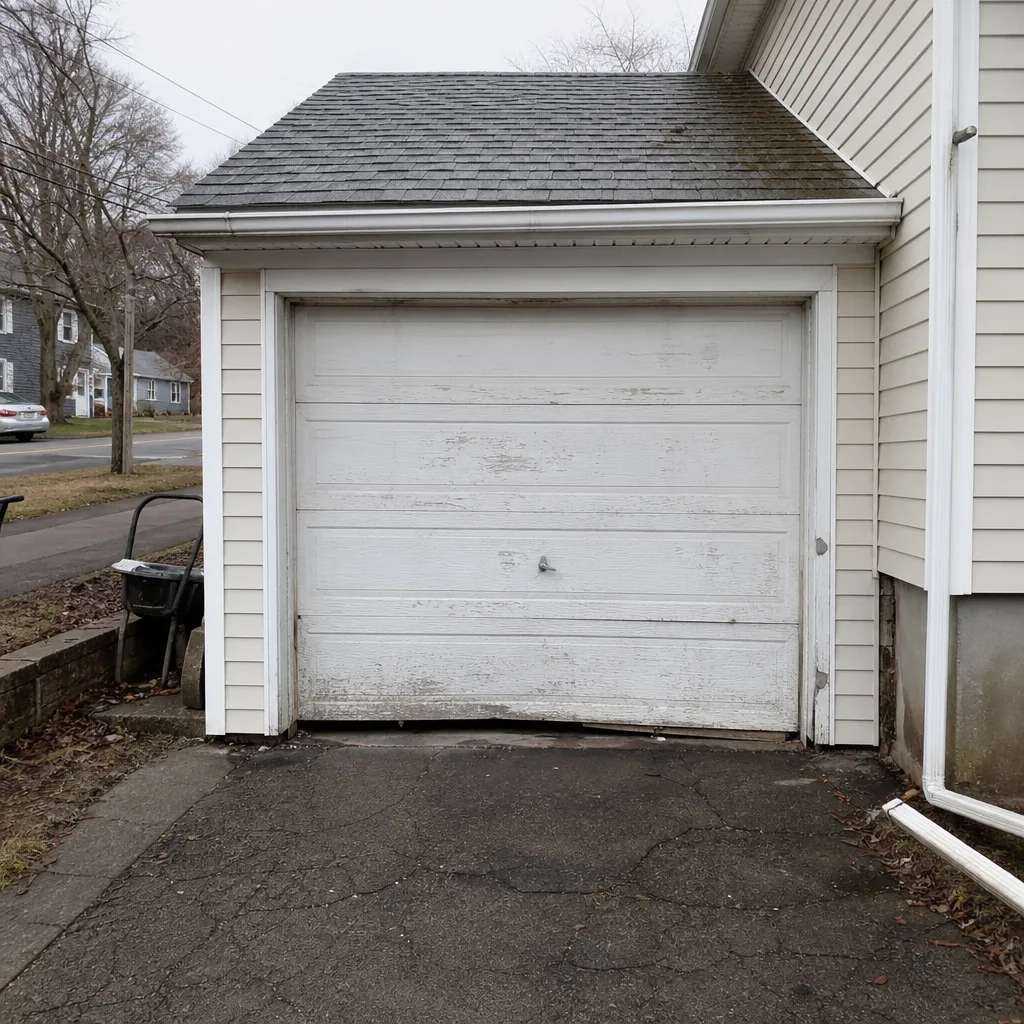 Before
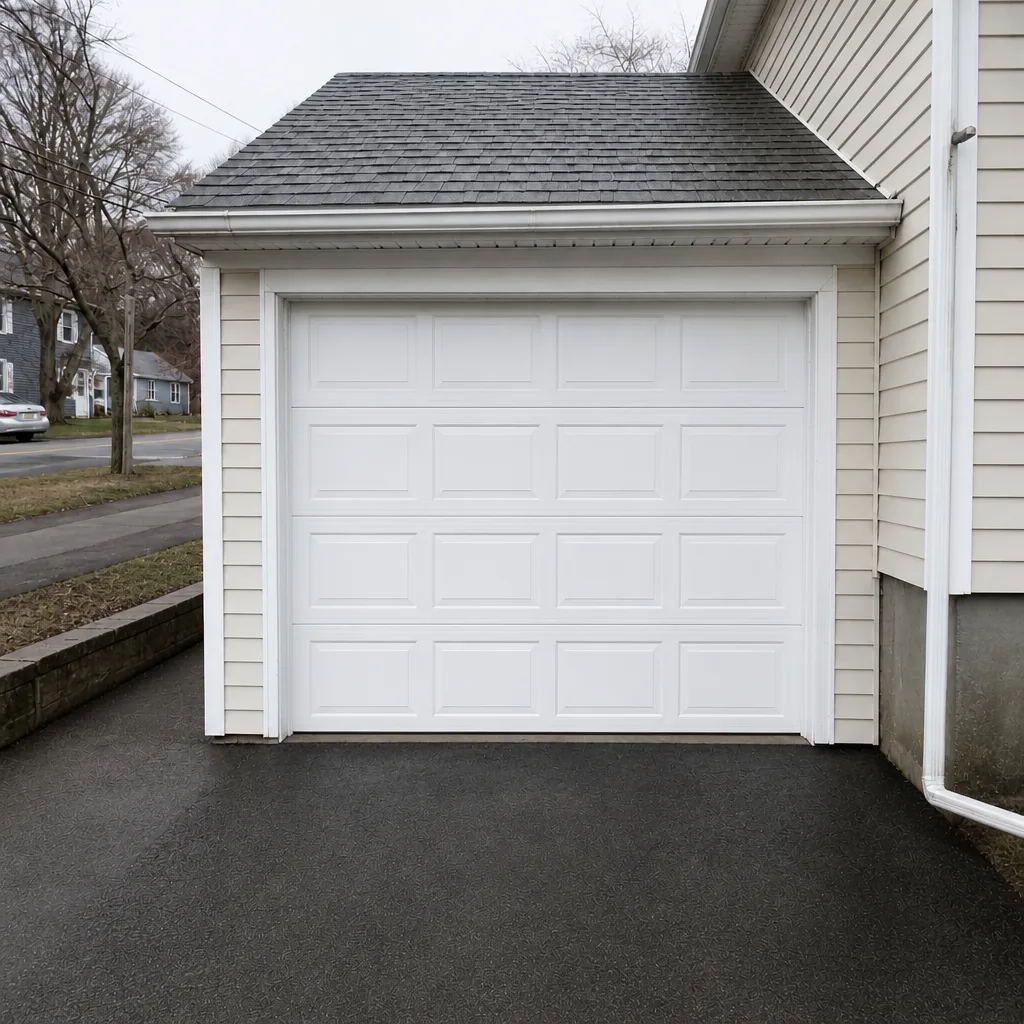 After