
Last updated November 15, 2026
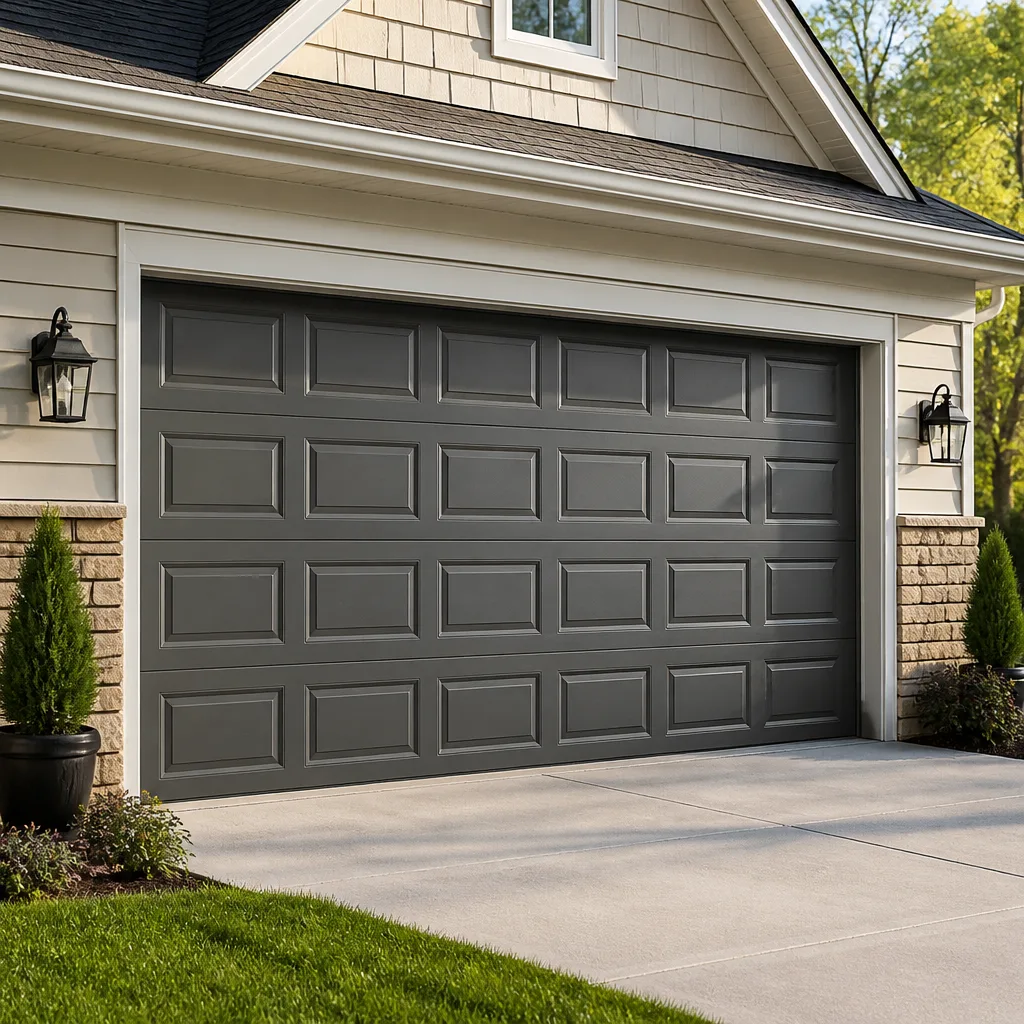 Raised-panel steel
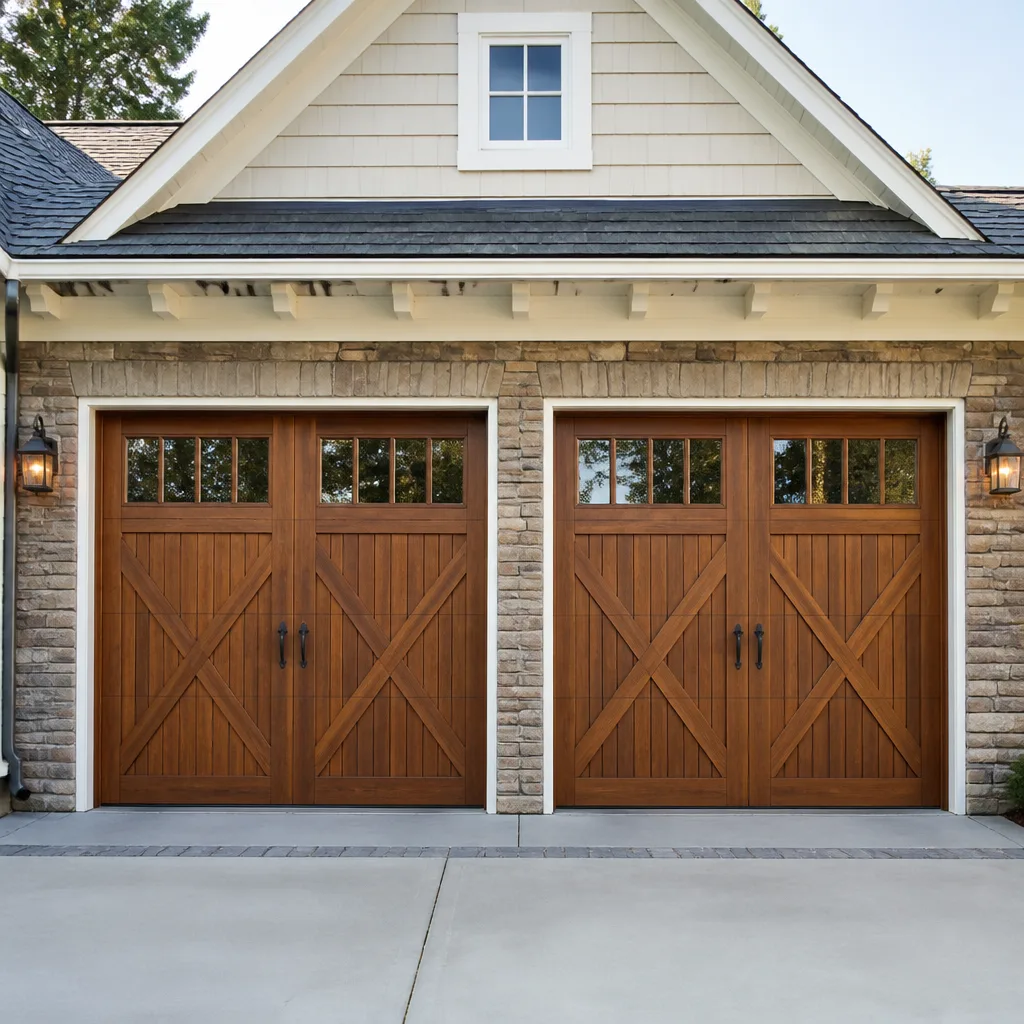 Carriage house
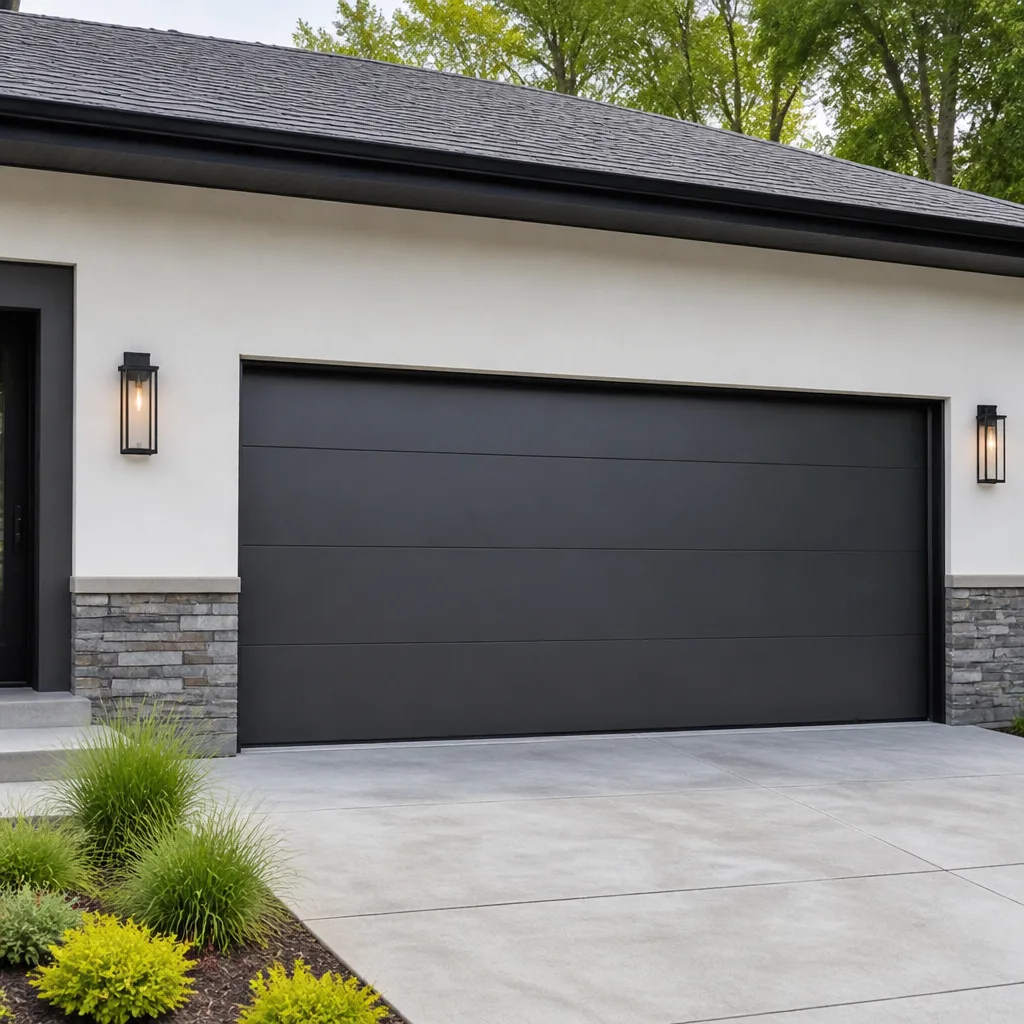 Modern flush
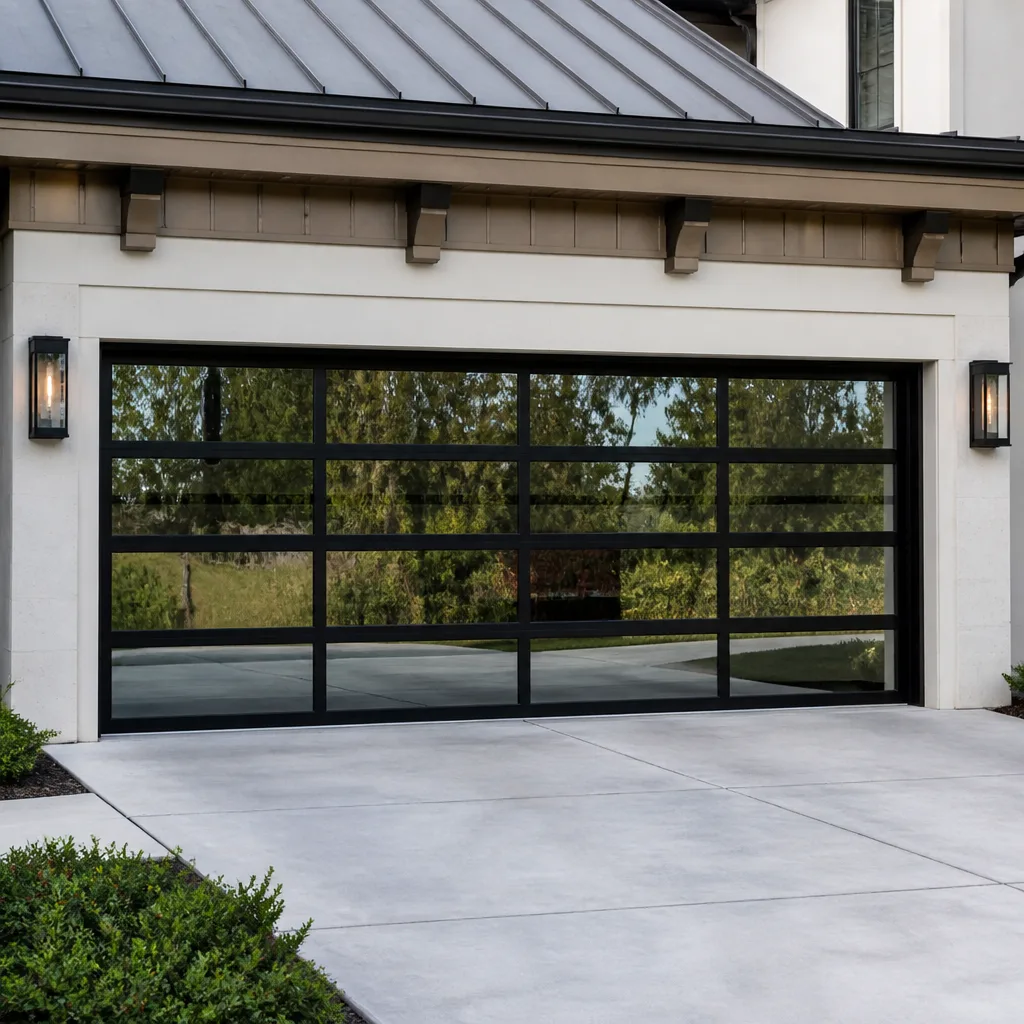 Full-view glass
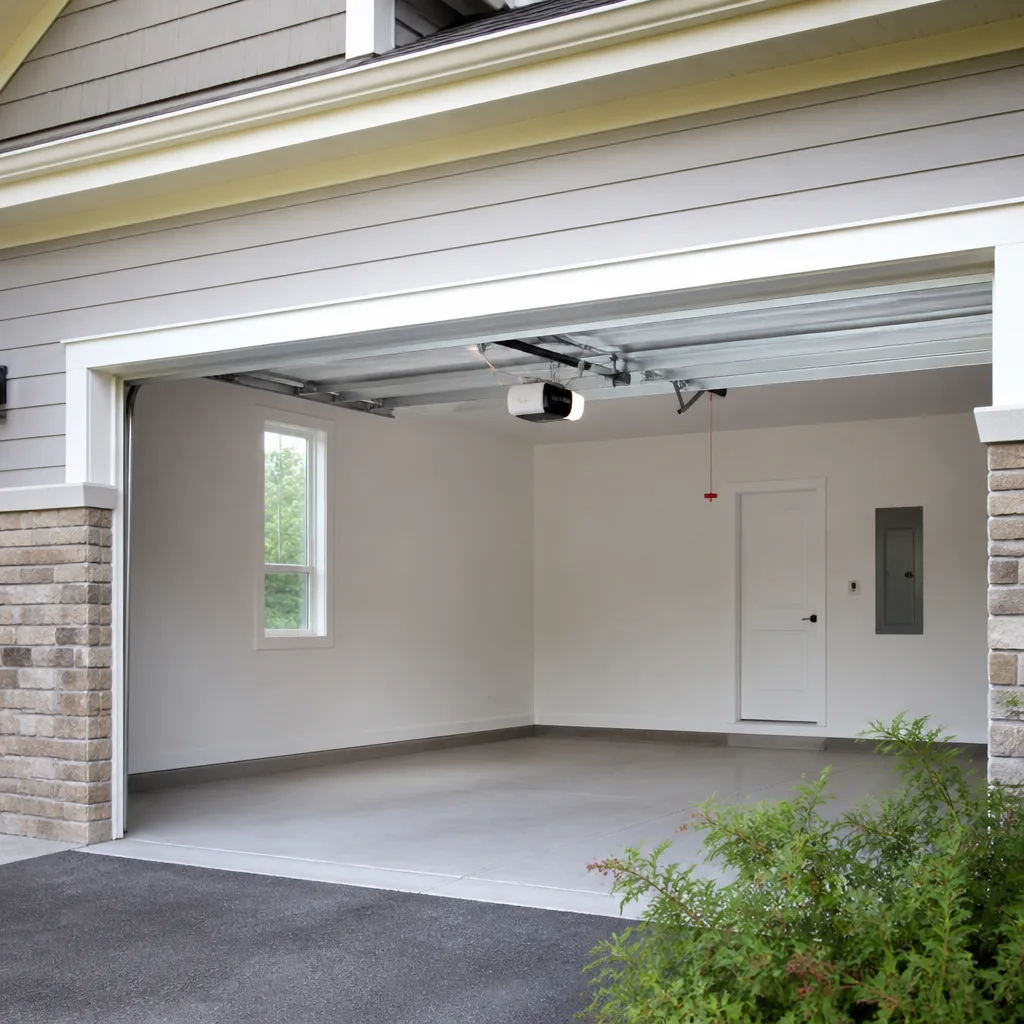 LiftMaster openers
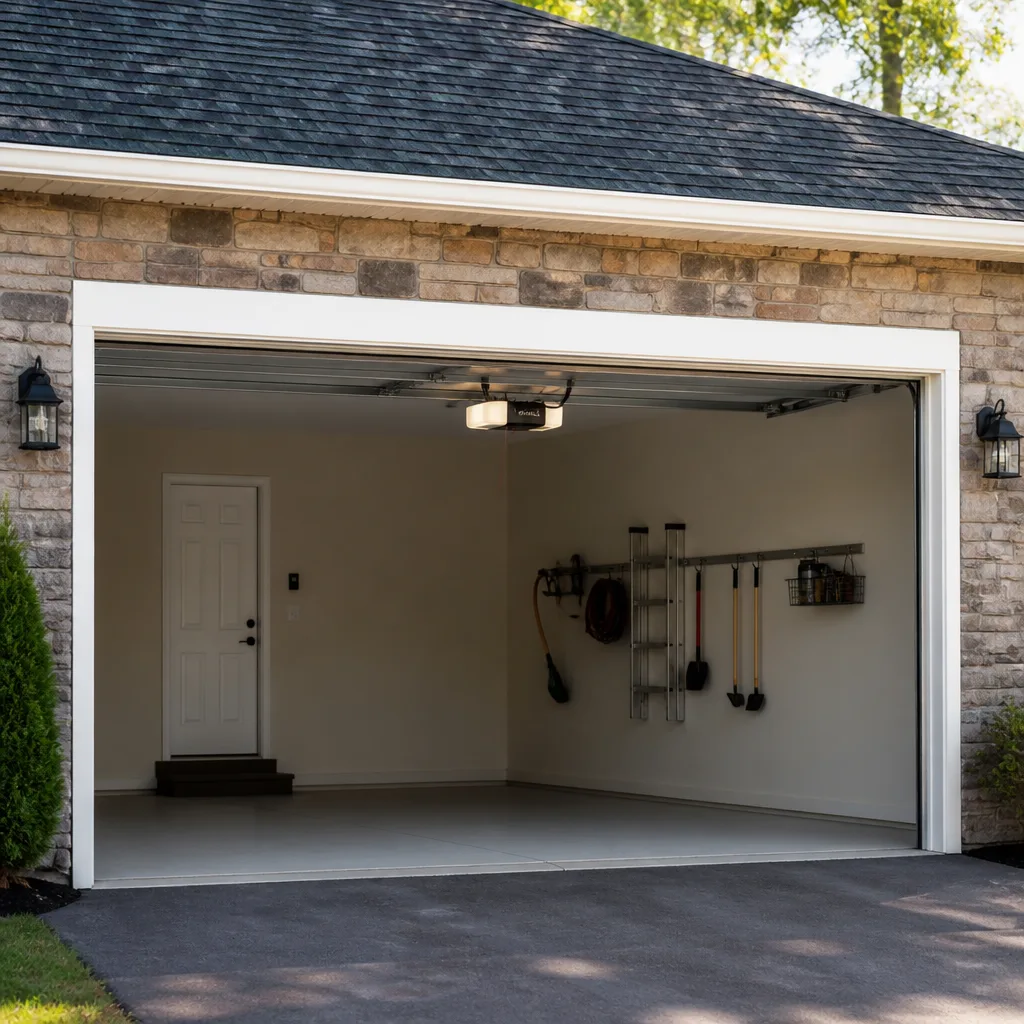 Chamberlain openers
Full 25-point door and opener safety check with every visit - springs, cables, rollers, tracks, and your LiftMaster or Chamberlain opener included
You get a price before we start. It does not change when the pro arrives.
Get your free estimateDIY vs Professional Garage Door: The Waterbury Homeowner’s Decision Guide
Most garage door advice online splits into two useless camps: “never touch anything, call a pro” and “here’s how to swap your springs in an afternoon.” Both are wrong. The real question isn’t whether you’re handy enough. It’s whether the specific task in front of you carries genuine injury risk, and the line between safe and dangerous doesn’t sit where most guides draw it. A torsion spring under tension stores enough energy to throw a steel winding bar through drywall. The same homeowner who should never go near that spring can safely replace bottom weatherstripping, reprogram a remote, or adjust travel limits with no special tools. This guide draws the line task by task, with the cost math for Waterbury homes.
Quick Answer
In Waterbury, the DIY-versus-professional call comes down to the task, not your skill level. Weatherstripping, remote reprogramming, sensor alignment, lubrication and visual inspections are genuinely safe to do yourself. Torsion springs, cables, and anything involving the counterbalance system are not – those store lethal energy and belong with a trained technician. Everything in between depends on the age and condition of your door.
Styles & brands we work with
- Raised-panel steel
- Carriage house
- Modern flush
- Full-view glass
- LiftMaster openers
- Chamberlain openers
Table of Contents
- What’s Actually Safe to Do Yourself
- Why Torsion Springs Are Categorically Different
- How to Diagnose Before You Call
- DIY on Older Waterbury Homes: Warranty and Permit Traps
- The Cost Math: When DIY Saves and When It Costs More
- The Middle Zone: Tasks That Depend on Your Door
- Common Mistakes to Avoid
- When to Call a Professional
What’s Actually Safe to Do Yourself
A meaningful slice of garage door maintenance needs no training, no special tools, and no lift more than a stepladder. These are the jobs we’d tell any Waterbury homeowner to handle themselves without hesitation.
Safe homeowner tasks include:
- Bottom weatherstripping replacement. The rubber seal along the bottom of the door slides out and pushes back into a track. One person, a screwdriver, and a new length of seal.
- Remote and keypad programming. Following the opener’s manual to add or clear remotes is a button sequence, nothing more.
- Safety sensor alignment. If the door reverses or won’t close, the photo-eye sensors near the floor are often knocked out of line. Straightening them and clearing cobwebs solves a surprising share of “broken door” calls.
- Lubrication. A garage door lubricant on hinges, rollers, and the opener’s rail reduces noise and wear. Avoid WD-40 on the tracks – it attracts grit.
- Visual inspection. Looking for frayed cables, worn rollers, bent tracks, or daylight at the bottom of a closed door costs nothing and tells you what’s coming.
- Clearing and wiping tracks. Debris in the track causes binding. A damp rag and a dry cloth do the job.
None of these tasks puts your hands near stored mechanical energy. That’s the dividing principle, and we come back to it in every section below. Our technicians have up to 15 years of experience, and the calls we take most often involve a homeowner who handled the safe tasks correctly but couldn’t identify the unsafe one. Knowing which is which is the whole game.
Why Torsion Springs Are Categorically Different
A torsion spring is a coiled steel bar under constant rotational tension. Its job is to hold the entire weight of the door – often 150 to 300 pounds – so the opener and your arm don’t have to. When that spring is wound to the correct tension, it’s storing enough energy that releasing it under load turns the winding bar into a projectile. This is why a trained technician uses two winding bars and a controlled, incremental process, not brute force.
The injury mechanism is simple and unforgiving. Springs break from fatigue, often while the door is closed and parked overnight. A homeowner who hears the bang and decides to investigate is already working with a spring that’s released its tension – which is the safest state to find it in, but not a green light to rewind or replace. Springs are matched to door weight, wire diameter, and cycle count. Guessing at the wind count or using the wrong replacement spring means the door is misbalanced or the new spring breaks early.
Cables deserve the same respect. The steel lift cables run from the bottom bracket along the side of the door and are also under tension. The bottom bracket where they attach carries the full door load. Never put fingers near it or try to take up slack in a cable. What looks like a loose cable is often the first sign the counterbalance system has shifted.
If you see a gap in a spring, a door that won’t lift, a door that slams down hard, or a snapped cable, stop operating it. The door should stay down and you should call. When a spring lets go in a Waterbury home, the door becomes a heavy dead weight that can fall on a person or a car. That’s not a repair to attempt on a Saturday afternoon.
How to Diagnose Before You Call
A diagnostic walk-through before you call means you’re paying for the repair, not the identification. In our experience, homeowners who do this five-minute check can describe the failure precisely, which shortens the visit and often lets us confirm the fix in advance.
Here’s how to run the diagnostic:
- Listen and look before opening anything. Note whether the opener runs but the door doesn’t move, the door moves a foot and stops, or nothing happens at all. Each points to a different system.
- Disconnect the opener. Most openers have a red manual release pull. With the door closed and the opener disengaged, try lifting the door by hand. It should rise smoothly with light effort. A door that won’t budge or that falls on its own has a balance problem – springs or cables.
- Inspect the springs. Look at the torsion bar above the door or the extension springs along the sides, depending on your door type. A visible gap means the spring is broken.
- Check the sensors. Look at the two small lights on the photo-eyes near the floor. Most units have a light that stays green or solid when aligned and blinks when not.
- Test the wall switch and remotes. If one works and the other doesn’t, the issue is the remote or receiver, not the door.
- Note the model. Find the opener’s brand and model number on the back of the motor housing. Brands like LiftMaster and Craftsmak are extremely common in Waterbury, and knowing the model helps a technician bring the right parts.
A well-run diagnostic takes five minutes and tells you whether the problem is mechanical, electrical, or a false alarm. It costs nothing and saves a service visit that spends its time confirming what you already suspect. And it protects you from a common trap: paying a trip charge for the diagnosis and then letting the same tech upsell work you didn’t need. Ask for the diagnosis first, then the quote.
DIY on Older Waterbury Homes: Warranty and Permit Traps
Waterbury has a large stock of older homes, and many carry garage doors that are decades old with their original openers. Those doors are usually out of manufacturer warranty, which loosens some of the DIY restriction – but not all of it. A new door or opener installed recently is a different story.
What to watch for:
- Warranty voiding. If your door or opener is still under a manufacturer warranty, a homeowner-replaced spring, a DIY cable repair, or a self-installed opener can void that coverage. Manufacturers specify qualified installation for warranty coverage. Before you touch a door installed in the last few years, read the warranty terms – or ask us to check.
- Permit questions. When you replace an entire door or install a new opener, most municipalities require a permit or inspection – requirements vary, and the safe answer is to ask the Waterbury building department before work begins. A homeowner who installs without confirming requirements can end up with a door that fails a later inspection.
- Spring and opener mismatch. Older Waterbury doors often use extension springs, which fail in a different way from torsion springs. They’re under less stored energy but still dangerous, and they require a safety cable through the center of the spring. A missing safety cable on an old extension spring is a real hazard, and replacing the spring without the cable leaves the door no safer than before.
- Opener compatibility. A new opener needs to match the door’s weight, headroom, and track. Upgrading to a LiftMaster or a Wayne Dalton door element often requires a matching replacement, not a swap of one part.
The warranty and permit questions are the two places a DIY decision costs more than it saves. If your equipment is newer, check the coverage first. If it’s original to the house and well out of warranty, you have more freedom – but the safety rules don’t change. Anatomy doesn’t care about age.
The Cost Math: When DIY Saves and When It Costs More
DIY genuinely saves money on the safe-task list. Weatherstripping, remotes, lubrication, sensor work – these are $20 to $60 of parts and your own time, versus a professional visit. The savings are real and we’d tell you to keep them.
The math flips on anything involving the counterbalance system. A failed DIY spring attempt usually ends in one of three ways: the door is left worse than when it started, the wrong spring gets installed and needs replacement, or the homeowner is injured. Each of those costs more than the original repair would have. A common scenario we see in Waterbury: a homeowner replaces one extension spring, the door is now unbalanced, the opener works harder, and the opener motor fails months later. The single-spring repair cost less up front and cost far more in total.
The break-even rule is simple:
- DIY wins when the task is seal, sensor, remote, lubrication or visual inspection. Low parts cost, low danger, high success rate.
- Professional wins on springs, cables, opener motor replacement, full door installation, and track replacement. The tooling, the lift, the warranty, and the safety record all favor the technician.
- Call for an estimate when you’re unsure whether a noise, a gap, or a sticking point is cosmetic or structural. A free estimate answers that question at no cost. We don’t charge to look.
Manufacturer warranties also enter the math. A homeowner-replaced opener can void the manufacturer’s coverage on the door. That coverage is worth more than the labor you’d save. And when the door is under warranty, a technician-handled repair keeps the warranty intact.
One more consideration: resale. If you’re selling a Waterbury home, a buyer’s inspector will look at the door. A history of homeowner spring replacements with mismatched parts can flag as a concern. A professional repair with a written record travels with the house.
The Middle Zone: Tasks That Depend on Your Door
Between the obviously safe and the obviously dangerous sits a band of jobs that depend on the door’s age, type, and condition. Track adjustment is the clearest example. Straightening a mildly bent track with a rubber mallet is within reach for a careful homeowner – but a track that’s badly bent, rusted, or that’s drifted at the mounting brackets needs a professional. The risk is a door that jumps the track and comes down off its rollers.
Roller replacement is similar. A worn steel roller on a modern door can be swapped, but the door has to be supported and the track has to be straight afterward. On an older Waterbury door with a warped track, a new roller can seat wrong and cause binding. The opener’s travel limits and force settings are also adjustable, but only after you’ve read the manual – and force settings set too high are a genuine safety problem, because the opener stops reversing on obstruction.
The in-between list:
- Usually safe: track wiping, roller cleaning, hinge lubrication, bottom seal swap, opener travel limit tweaking with the manual in hand.
- Depends on condition: single-roller replacement, mild track straightening, door panel touch-up.
- Professional only: any spring work, any cable work, track replacement, panel replacement, opener motor replacement, full installation.
We work on whatever’s already in your driveway – that includes the Wayne Dalton, Raynor, and LiftMaster doors and openers common in the area – which means we’ve seen the in-between zone on nearly every door type. If you’re unsure which side of the line a task sits on, call and we’ll tell you honestly whether it’s a homeowner job. It often is.
Common Mistakes to Avoid
- Using WD-40 on the tracks. It’s a cleaner, not a lubricant, and it leaves a film that collects grit in Waterbury’s dusty summer air. Use a proper garage door lubricant, and don’t oil the tracks themselves – clean them dry.
- Replacing only one of a matched pair of springs. Extension and torsion springs are matched to each other and to the door weight. Replacing one means the door is out of balance and the newer spring breaks early. Replace pairs.
- Bumping the opener’s force setting to make a binding door close. This masks the real problem – usually a failing spring or a misaligned track – and defeats the safety reverse. A door that needs more force to close is a door about to break.
- Removing the safety cable from an extension spring. On older Waterbury doors, the safety cable through the center of the spring is what keeps a broken spring from flying. If your extension spring has no cable, that’s the one thing to fix immediately.
- Starting a spring repair without the correct winding bars. Screwdrivers and pry bars are a common substitute. They’re also how winding bars become projectiles. If you don’t own the right tools, you don’t have the right tools.
- Ignoring a door that reverses on its own. A door that opens, pauses, and closes again is usually a sensor or a travel limit issue. Left alone, it can become a full opener failure.
- Assuming a garage door opener repair is a handyman job. On newer openers with integrated logic boards and Wi-Fi, the failure point is often electronic and specific to the brand. A generalist will swap parts until something works. A specialist diagnoses the board.
When to Call a Professional
Call a professional when the problem involves springs, cables, the bottom bracket, or the counterbalance system; when the door is visibly off its track or sagging at one corner; when the opener’s motor, logic board, or capacitor has failed; when you’re replacing a door or opener outright; or when a DIY diagnostic leaves you unsure. Those are the jobs where the danger or the warranty stakes put a technician ahead of the homeowner, and where the cost of a failed attempt usually exceeds the cost of the repair. Ambassador Garage Door Repair offers free estimates in Waterbury – call (844) 783-9136 and we’ll tell you honestly whether the fix is one you can handle. We answer 24/7. Fast dispatch from 7am to 7pm.
If you’ve already tried the safe repairs and the door still isn’t behaving, that’s a signal worth acting on. Call (844) 783-9136 for a quote.
See the difference
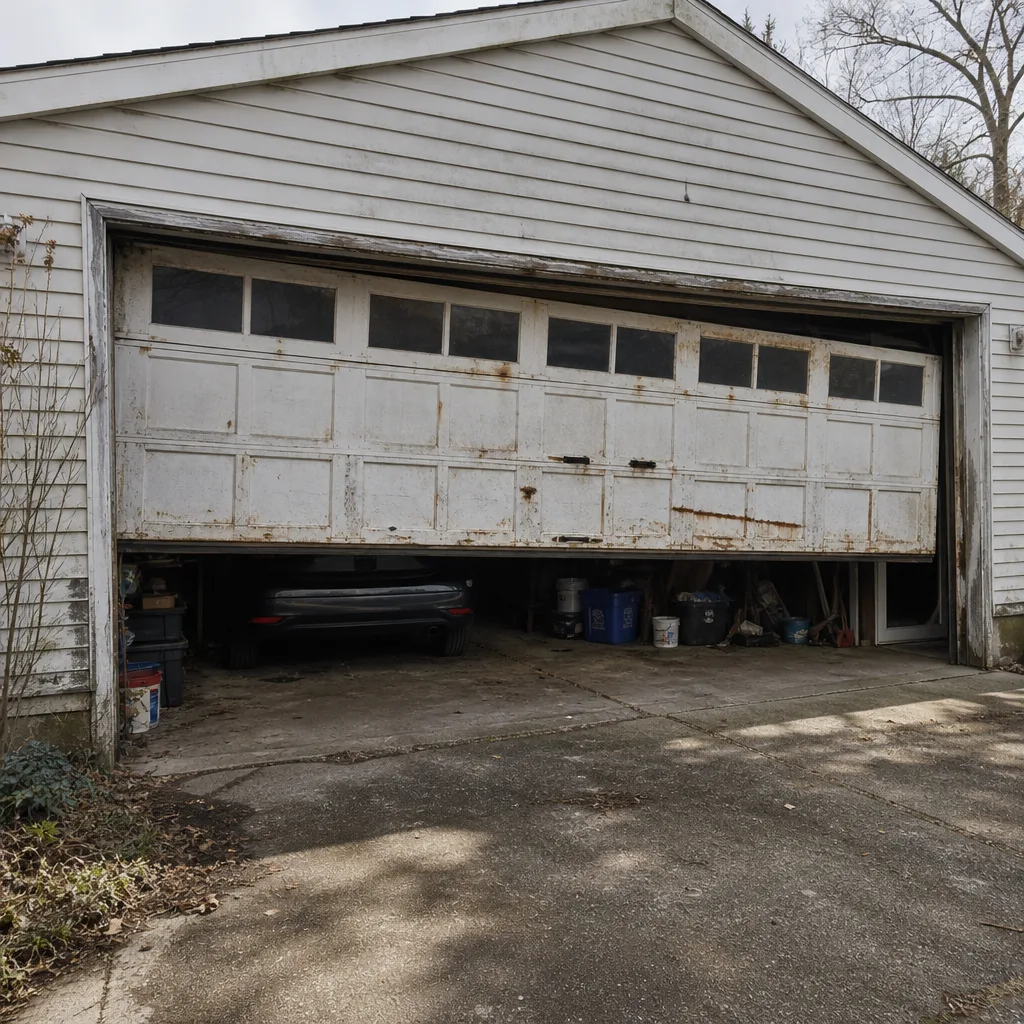 Before
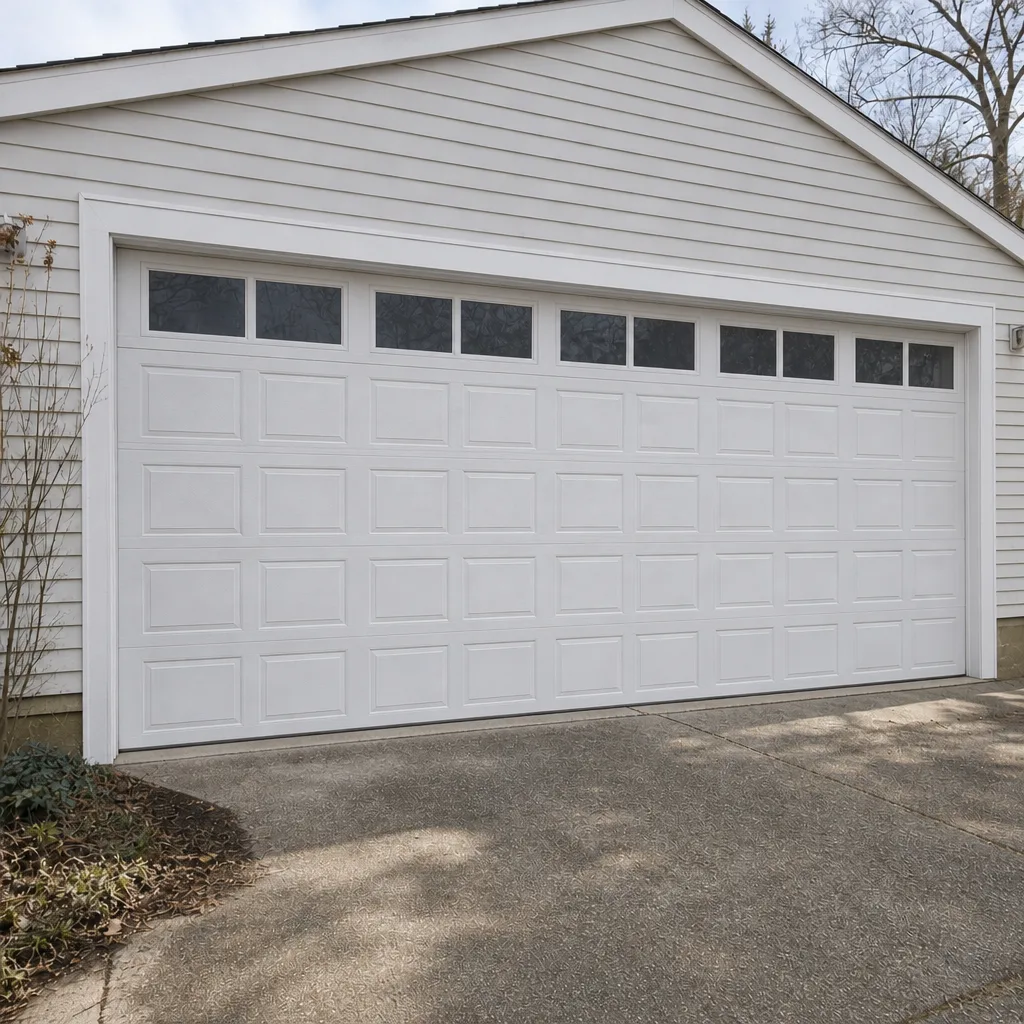 After
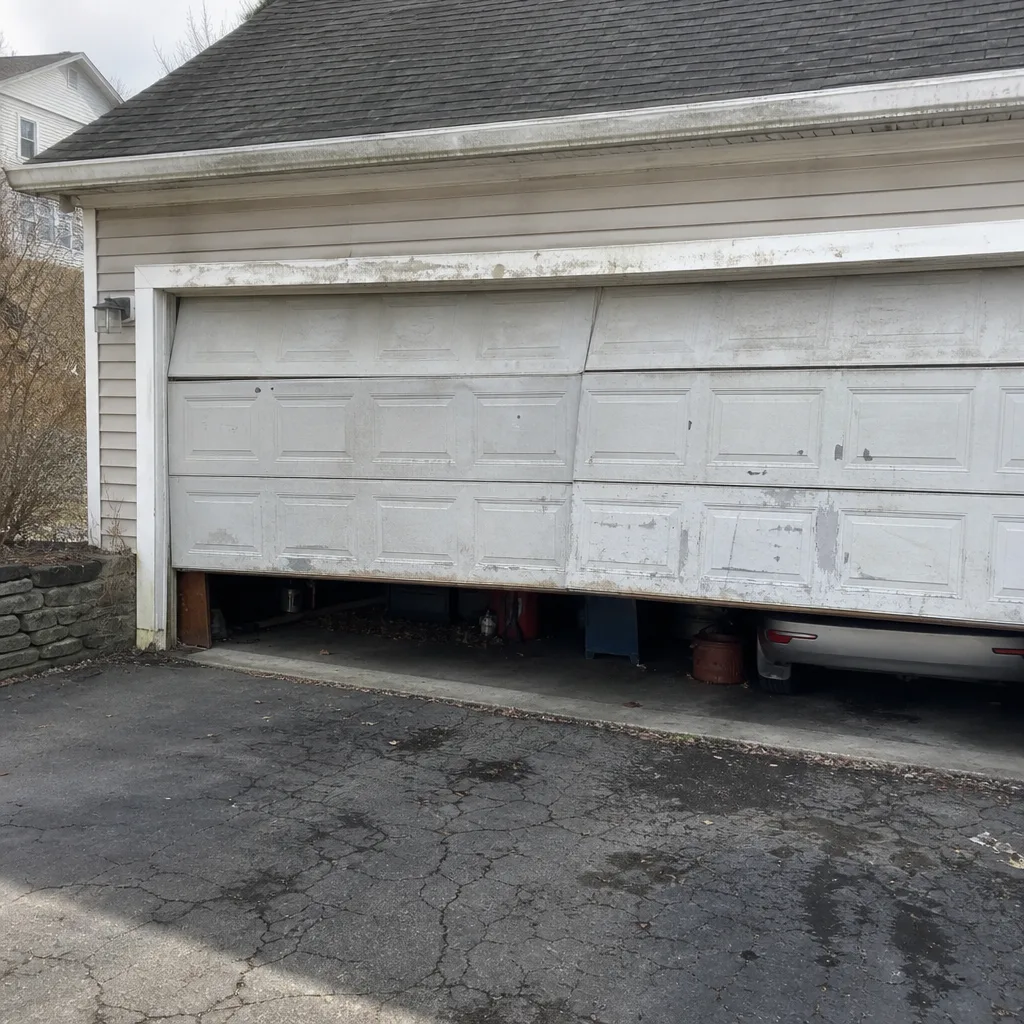 Before
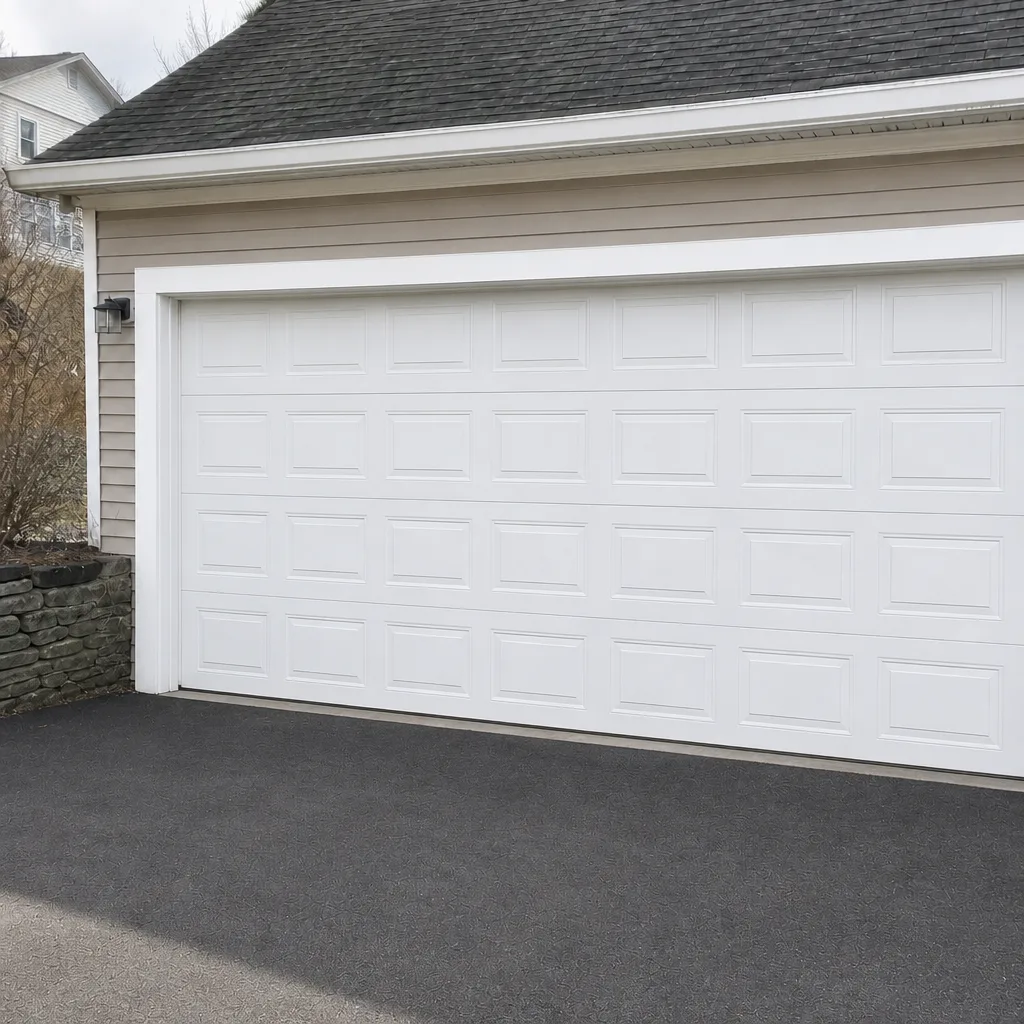 After
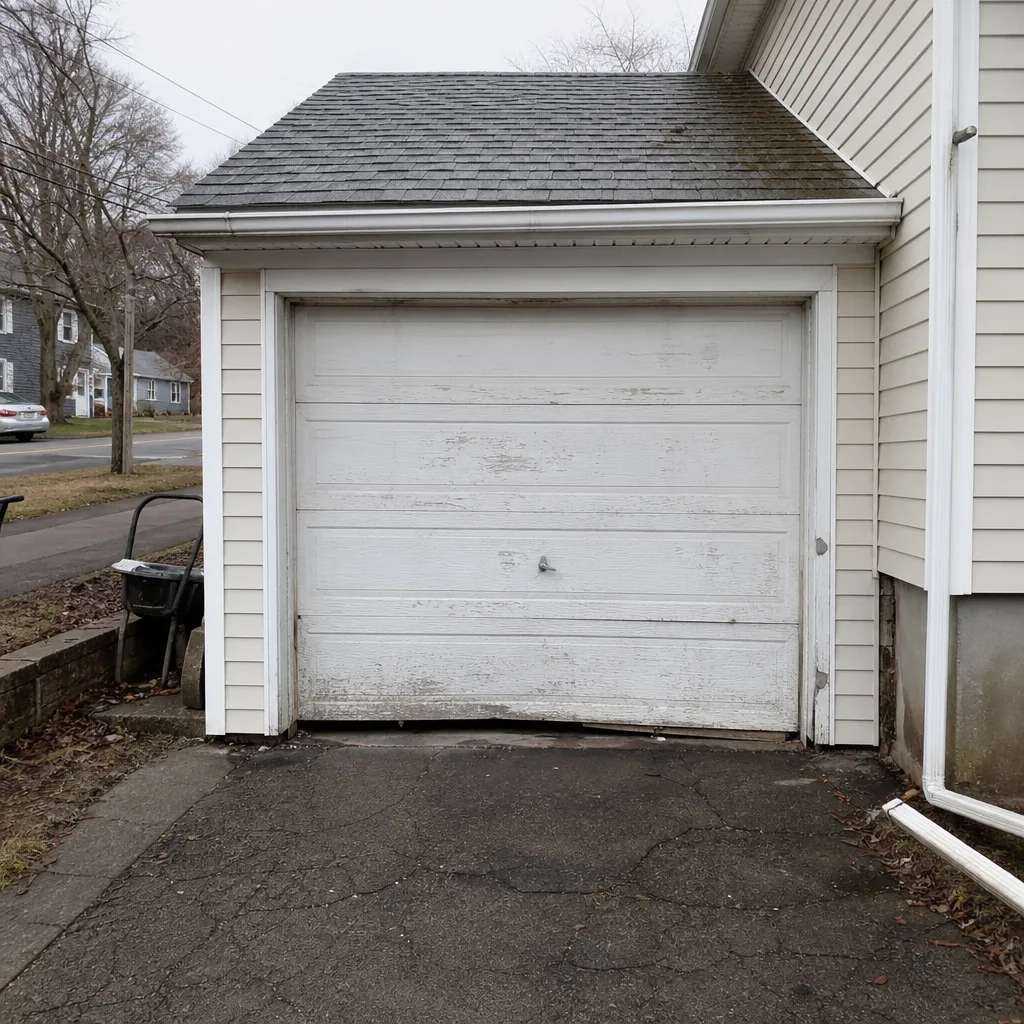 Before
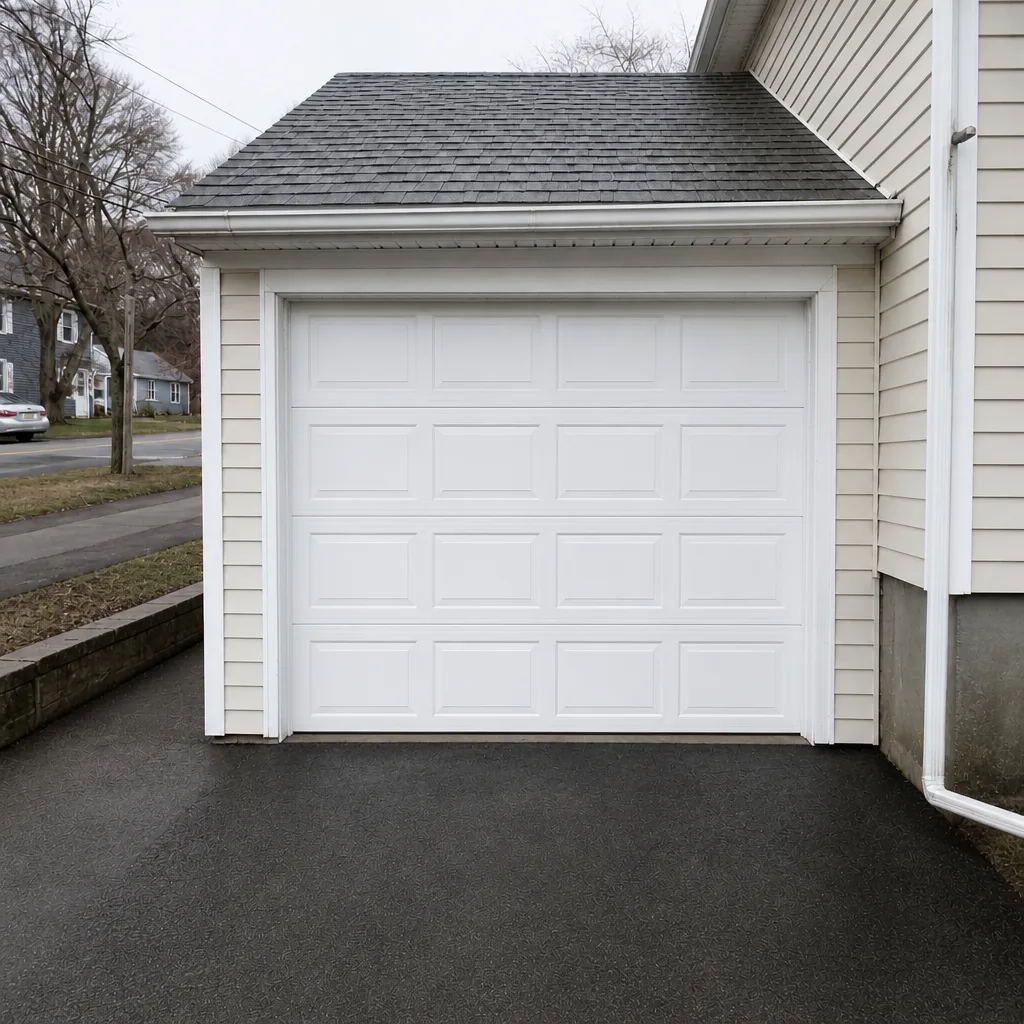 After
Frequently Asked Questions
No. Torsion and extension springs are under enough stored force to cause serious injury, and most municipalities require a permit-eligible professional for the work. Springs should be replaced by a trained technician who can match the spring to your door’s weight and cycle count. Call (844) 783-9136 for an exact quote – estimates are free.
Spring replacement is priced per job by a written estimate, and a matched pair usually costs more than a single spring. The written estimate sets the final price before any work starts, so there’s no surprise on the invoice. Call (844) 783-9136 for an exact quote – estimates are free.
Some opener repairs are safe – reprogramming remotes, replacing a battery, or aligning safety sensors. Motor replacement, logic board replacement, and wiring work are not, and on newer LiftMaster or Chamberlain units the failure point is often a specific electronic component a specialist can diagnose. Call (844) 783-9136 for an exact quote.
Run a five-minute diagnostic first: disconnect the opener with the manual release, try lifting the door by hand, look for a gap in the spring, check the sensor lights, and note the opener’s model number. That tells the technician whether the problem is mechanical or electrical. It also saves you paying for a visit that spent its time identifying what you already knew. Call (844) 783-9136 to book a visit.
It can. Manufacturers typically require qualified installation for warranty coverage, and a homeowner-replaced spring or a self-installed opener can void that coverage on a door or opener still under warranty. Check the terms before you start, or ask us to check. Call (844) 783-9136 – estimates are free.
No. The price is quoted and agreed before any work starts, and the written estimate sets the final price. If we find something unexpected once we’re on site, we’ll explain it and get your approval before changing the scope. Call (844) 783-9136 for an exact quote – estimates are free.
Yes – the professionals we connect you with are state-licensed and insured. Our technicians have up to 15 years of experience, and we service LiftMaster, Chamberlain, Genie, Clopay, Amarr, Wayne Dalton, Craftsman, and Raynor equipment. Call (844) 783-9136 to book.
Permit requirements vary, so the safe answer is to ask the city’s building department before work begins. Replacing an entire door or installing a new opener is the category most likely to need one; minor repairs usually don’t. Call (844) 783-9136 and we’ll walk you through what a new-door job involves.
The Bottom Line
The DIY-versus-professional question on a garage door is really a question about which tasks carry real injury risk and which don’t. Weatherstripping, remotes, sensors, lubrication, and visual inspection are safe for any homeowner. Springs, cables, the bottom bracket, and the counterbalance system are not – they store enough energy to cause serious injury, and the physics doesn’t soften because you’ve watched a video. Run the five-minute diagnostic before you call so you’re paying for the repair and not the identification. And when the task is on the professional side of the line, get a written estimate: the price is quoted before work starts, and the written estimate is the final price. For anything involving springs, cables, or the opener’s motor, call Ambassador Garage Door Repair at (844) 783-9136 for a free estimate. We answer 24/7. Fast dispatch from 7am to 7pm, Sunday through Friday.
Written by the team at Ambassador Garage Door Repair.