
Last updated November 15, 2026
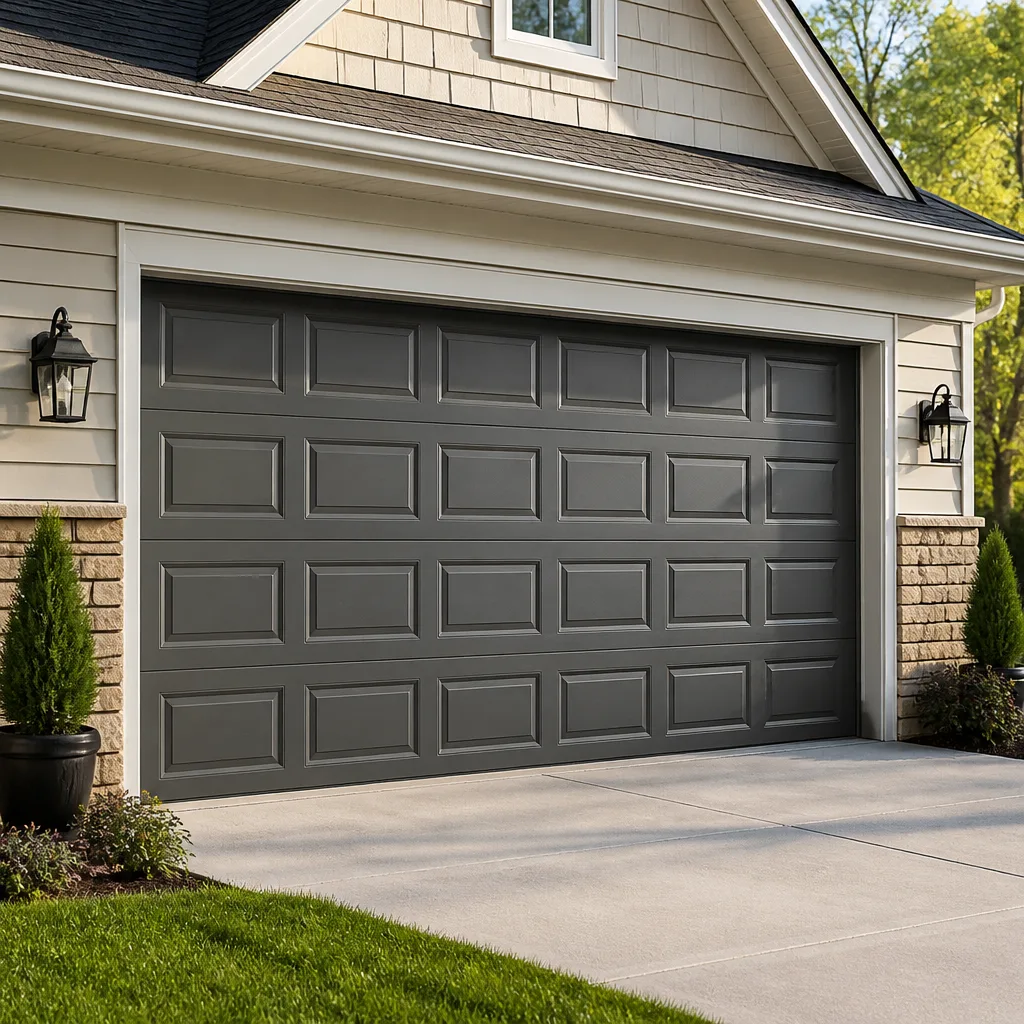 Raised-panel steel
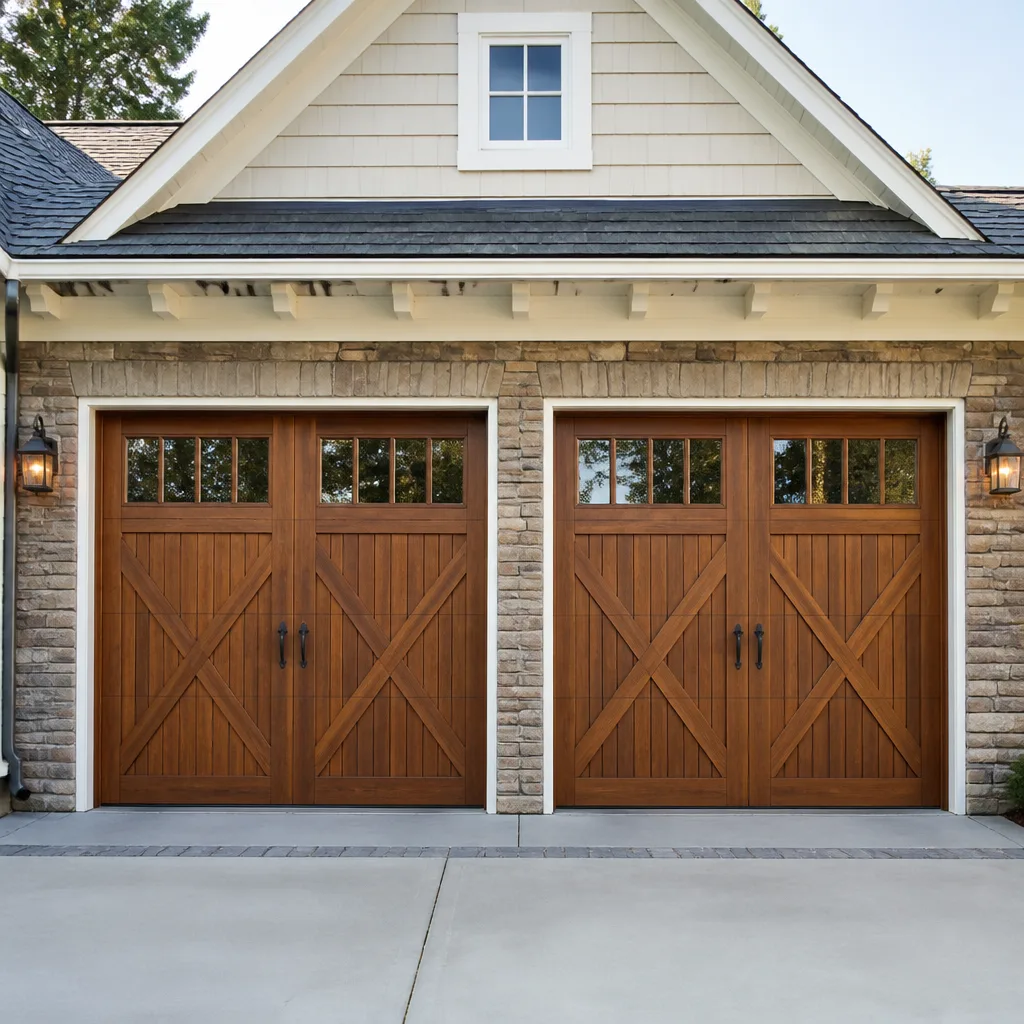 Carriage house
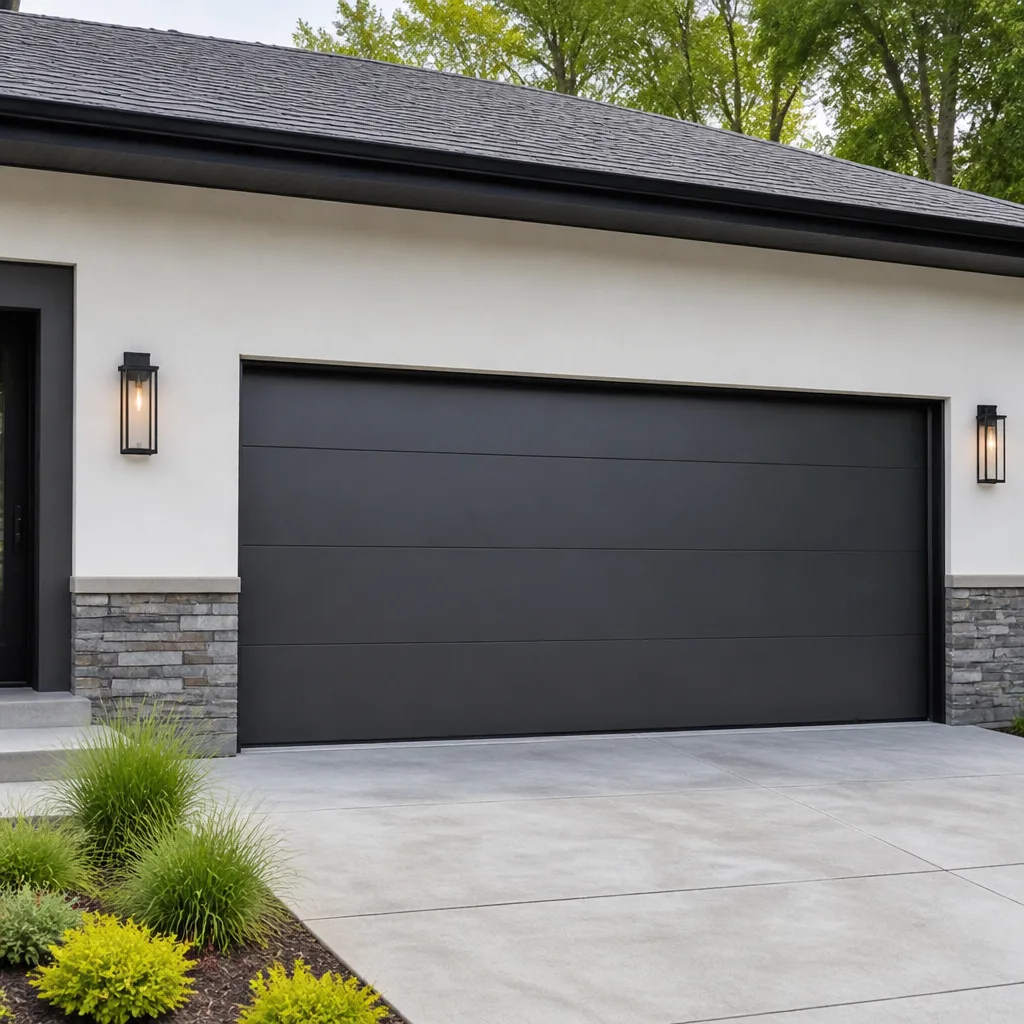 Modern flush
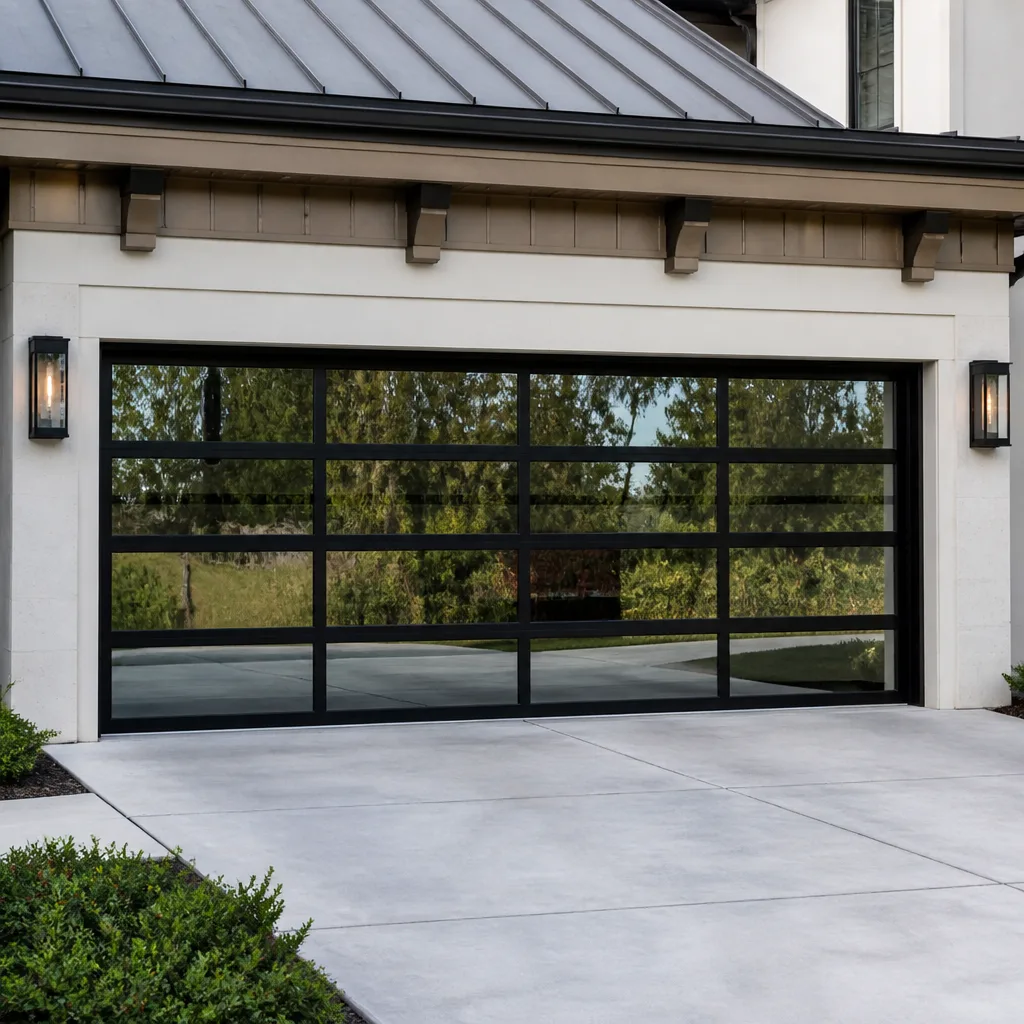 Full-view glass
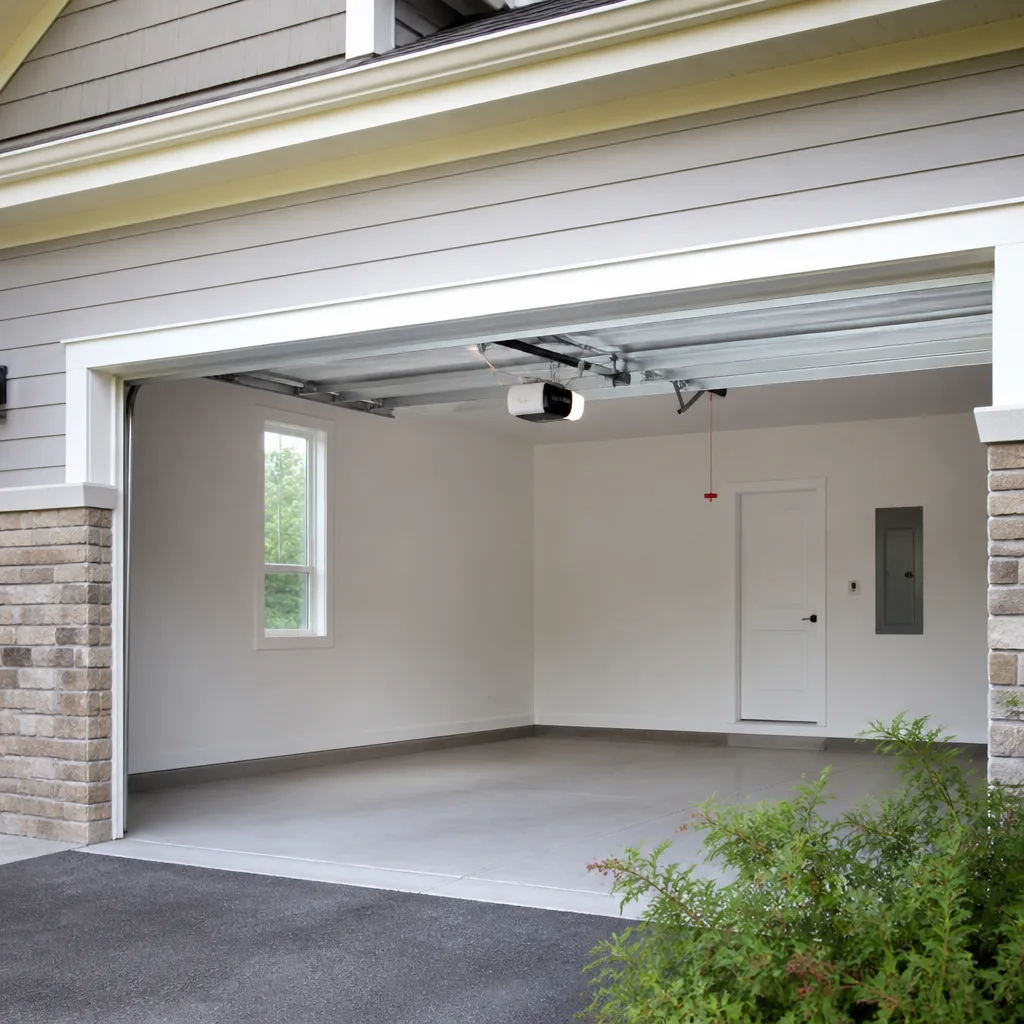 LiftMaster openers
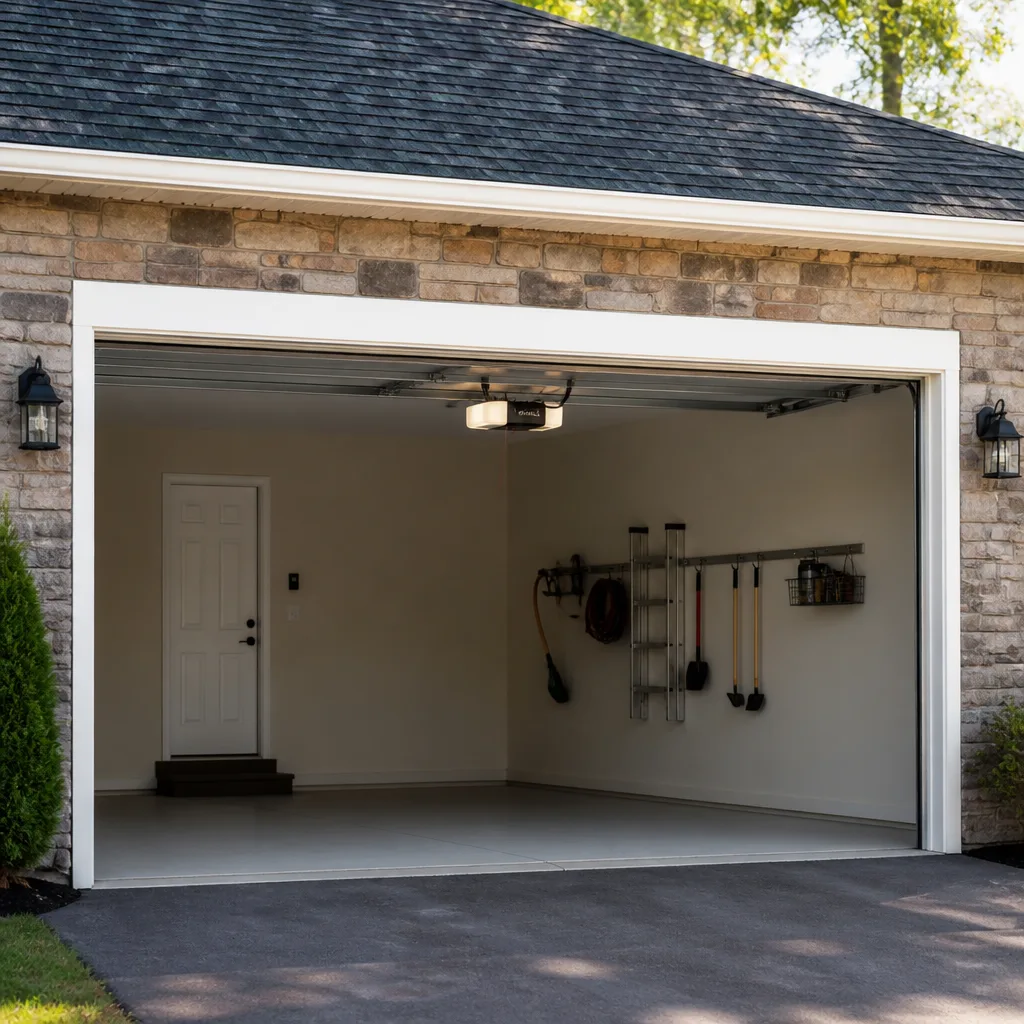 Chamberlain openers
Full 25-point door and opener safety check with every visit - springs, cables, rollers, tracks, and your LiftMaster or Chamberlain opener included
You get a price before we start. It does not change when the pro arrives.
Get your free estimateThe Complete Guide to Garage Doors in Waterbury
Most Waterbury garage doors aren’t failing because the opener is old. They’re failing because the garage was built to a set of assumptions that stopped being true decades ago: shallow headers, narrow tracks, and wiring that predates the electronics now sitting on the ceiling. A homeowner replaces the opener, the door still binds, and nobody can explain why. This guide explains why. We’ll walk through how Waterbury’s older housing stock shapes what actually fits in your garage, which materials survive Connecticut freeze-thaw cycles, when a permit applies, and how to tell a real local specialist from a regional dispatch line. It’s written for the homeowner whose garage is the front door, not a storage shed.
Quick Answer
A garage door project in Waterbury starts with measuring the existing opening, header, and track space before anything is ordered, because pre-1980 garages frequently can’t accept modern doors or openers without adjustment. Material choice should follow the freeze-thaw cycle, and any change to the door’s size, structure, or the home’s wiring usually triggers a permit. The written estimate, not a phone quote, sets the final price.
Styles & brands we work with
- Raised-panel steel
- Carriage house
- Modern flush
- Full-view glass
- LiftMaster openers
- Chamberlain openers
Table of Contents
- How Waterbury’s Pre-1980 Housing Stock Changes the Job
- Which Door Materials Survive Connecticut Winters
- Full System vs. Piecemeal Upgrades
- Opener Compatibility and the Wiring Problem
- Permitting Triggers Most Homeowners Don’t Know
- How to Evaluate a Garage Door Company in Waterbury
- Getting a Door Through a Connecticut Winter
- What Garage Door Work Typically Costs
How Waterbury’s Pre-1980 Housing Stock Changes the Job
Waterbury grew fast in the first half of the twentieth century, and much of its residential housing was built before anyone was designing a garage around a sectional door and an automatic opener. That single fact drives more surprises than any other on a garage door repair call.
Three things come up again and again in these older Waterbury garages:
- Header clearance. A sectional door needs room above the opening for the door to travel up and back. Older garages were often framed for a one-piece tilt door with a shallower header. Modern equipment may not fit that space without modification, and sometimes the honest answer is a different door type rather than a forced fit.
- Track space. Side clearance in tight older bays can be two to four inches narrower than a standard door expects. Tracks that get bent inward over decades narrow that gap further. Measuring matters more than guessing.
- Rough openings that aren’t square. A door that’s plumb in a factory is not necessarily plumb in a 1940s garage. Out-of-square framing shows up as a door that binds at one corner, and shimming a track will only hide it for a while.
In our experience, the measure is the step homeowners most want to skip and the one that most often decides whether a project goes smoothly. If your garage is older and the door is original or close to it, treat any replacement as a site-specific job rather than a catalog order. Tracks, brackets, and even the mounting points for an opener may need work before a new door or operator is installed.
This is also where brand-agnostic knowledge matters. A door and opener combination from Clopay, Amarr, Wayne Dalton, or Raynor each has its own dimensional and mounting habits, and the same is true for the most widely installed opener lines. Knowing those mechanics before the measure is what separates a specialist from someone who’ll figure it out at your house.
Which Door Materials Survive Connecticut Winters
Connecticut’s freeze-thaw cycle is the real test. Water gets into seams, freezes, expands, and works the material apart over a few seasons. Wood is the strongest candidate for early failure unless it’s carefully maintained; steel and aluminum with a proper finish last well; and the heavier insulated doors are fine structurally but put more load on the opener and springs.
Here’s how the common materials typically behave in this climate:
- Wood. Beautiful and period-appropriate on older homes, but the highest maintenance ceiling. It needs repainting or refinishing regularly, and standing moisture at the bottom rail is where rot starts.
- Steel. The most common residential choice for good reason. With a factory finish and galvanized or insulated construction, it handles wet winters and hot summers without much drama. Dents are the main weakness.
- Aluminum. Lighter, resists rust, and works well on wider openings. It can dent more easily than steel, so it’s a mixed trade.
- Insulated composite and wood-look panels. A reasonable middle path for a homeowner who wants the look of wood without the repainting schedule.
What fails within a few years in Waterbury isn’t usually the panel material by itself. It’s the bottom seal, the threshold, and any untreated wood at the jambs, all taking the full force of plowed snow and spring melt. A door installed over a rotting sill will look fine and then leak into the garage for years.
Insulation is a separate decision from durability. An insulated door helps stabilize the garage, but if the goal is a warmer room above the garage, the ceiling and shared walls do most of the work. Choose the door for the opening and the climate first, then insulation.
Full System vs. Piecemeal Upgrades
A garage door is one of the only systems in a house where the moving part and the motor that moves it are sold and serviced separately by habit. Replace the opener alone and the door, tracks, and springs still carry the wear. Replace the door alone and the existing opener may strain under a different weight and balance. Both are piecemeal. Neither closes the loop.
The full system is straightforward:
- The door assembly – panels, bottom seal, hinges, rollers, and the framing it hangs on.
- The balance system – torsion or extension springs, cables, drums, and the plates and brackets that hold them.
- The operator – the opener, rail, remotes, keypad, and safety sensors.
Piecemeal upgrades create gaps between these three. A new LiftMaster or Chamberlain opener installed on worn springs runs against resistance every cycle, which shortens the opener’s life. A new door fitted to old rollers and tracks that are out of alignment wears unevenly from day one. None of this is a sales pitch against small repairs; it’s a reminder that a project scope should be decided together, not in three separate calls to three different companies.
That’s the reason we handle repair, garage door opener repair, and installation under one roof. It means the person who measures the opening is the same kind of specialist who diagnoses the opener, and the homeowner doesn’t get handed to a second contractor halfway through. No referrals, no gaps, and a single point of contact whether the problem turns out to be mechanical or electronic.
Opener Compatibility and the Wiring Problem
The majority of Waterbury residential garages predate the modern opener wiring standards, and that’s where the “simple upgrade” story usually falls apart. The opener itself may fit the ceiling. The wiring feeding it may not be what a new unit expects.
Three compatibility issues surface most often:
- Photo-eye safety sensors. Current openers use safety reversing sensors at the floor. Older garages don’t have the wiring run for them, or it was run years ago in a way that no longer holds up. That’s a wiring task, not an opener task, and it needs to be done correctly.
- Power source location. Old garage outlets are sometimes on a circuit that trips when the door operates, or the opener was wired through a light fixture. A dedicated circuit may be part of the job.
- Brand-specific behavior. Remotes, wall consoles, and safety features differ across the major opener lines. A Genie remote won’t talk to a Craftsman unit, and a homeowner who upgraded one part of the system five years ago and the rest ten years ago may be trying to pair equipment that never worked together.
This is the specialist case. Any licensed electrician can pull wire, but the person doing it should know what the opener needs. Our technicians have up to 15 years of experience across the most widely installed opener brands – LiftMaster, Chamberlain, Genie, and Craftsman among them – and they can tell you before the work starts whether the existing wiring supports the replacement or needs updating.
Genuine safety warning here: garage door openers involve line voltage, and the springs and cables above your head are under extreme tension. Never try to adjust, remove, or replace a spring or cable yourself. A trained professional should handle that; the injury risk to a homeowner is real and serious. We’ll diagnose and quote the job and leave the dangerous work to the right hands.
Permitting Triggers Most Homeowners Don’t Know
Most Waterbury homeowners assume replacing a garage door needs no permit. Sometimes that’s right. Sometimes the job they’re describing as a replacement is legally a structural alteration, and the permit is triggered by the work, not the word.
The triggers to watch for:
- Changing the opening size. Extending, raising, or widening the rough opening alters the wall structure and usually requires a permit. This is the most common hidden trigger.
- New electrical work. Running a dedicated circuit for a new opener or installing sensor wiring that didn’t exist before is electrical work, and that permit question goes to the building department.
- Replacing the header. If the door installation requires rebuilding the header to fit a different door type, that’s structural and needs review.
- Changes to the garage structure itself. Adding a wall, converting the space, or altering load-bearing elements all fall under permit review.
A straight swap of the same size door for the same size door is typically the lighter-permit case, but the only reliable answer comes from asking Waterbury’s building department directly about your specific address and scope. We don’t give permit verdicts over the phone, and we won’t pretend a permit isn’t needed to make a project smoother. Ask the city, then plan around the answer.
How to Evaluate a Garage Door Company in Waterbury
A regional dispatch line and a Waterbury specialist look the same in a search result. They don’t behave the same on your driveway. The differences show up in who measures the job, who diagnoses the problem, and who has to answer for it when the schedule changes.
Here’s the checklist we’d want a homeowner to run on us or anyone else:
- Does the person diagnose or dispatch? A specialist can tell you why the door is binding. A dispatcher asks you to describe the symptom and schedules a visit.
- Are they brand-agnostic? Ask what they work on. Someone who says they cover all major brands will name them. Someone who names only one brand is a dealer for that brand.
- Is the opener repair a real service or a line item? It should be a named, dedicated service, not buried under general repair. Opener failures are the most common and most disruptive point in a garage door system, and they deserve their own attention.
- Do they measure before they quote? A written estimate should reflect the actual opening, tracks, and existing wiring. A guesstimate from the driveway is a preview of the invoice problem.
- Is the price fixed before work starts? This is the question that matters most. Ask directly.
- Are they licensed and insured? Connecticut requires licensed trades for electrical work; ask for proof when wiring is involved.
The Ambassador Garage Door Repair approach is to represent the homeowner’s investment, not just complete a ticket. That means a written estimate and a clear explanation of what’s being fixed and why. If you’re in Waterbury and want the measure looked at properly, call us and get a straight answer.
Getting a Door Through a Connecticut Winter
Waterbury winters put a specific kind of pressure on a garage door. Snow and ice collect at the bottom seal. Meltwater refreezes at the threshold. The door that worked smoothly in October starts dragging in January, and a dragging door strains springs and the opener every time it moves.
The practical checklist for a Waterbury door before winter:
- Check the bottom seal. A cracked or missing seal lets water in and gives ice a place to grab. It’s an inexpensive part that prevents expensive problems.
- Look at the weather stripping at the jambs and header. Gaps there let wind-driven snow in and let warm air out.
- Test the balance. Pull the release and see whether the door holds roughly where you leave it. A door that slams means the springs are near the end.
- Listen to the opener. A growl or grind that wasn’t there in summer often points to worn gears or a unit working against resistance.
- Keep the tracks clear. Debris and ice in the tracks are a routine cause of straining and damage.
Also worth knowing: garage doors can be a significant share of a home’s exterior surface, and a poorly sealed or uninsulated door makes the garage colder and the room above it harder to heat. That cost shows up in the January bill, not the inspection.
What Garage Door Work Typically Costs
Pricing here is a deliberate range, not a promise. Every job gets a written estimate, and the written estimate is what sets the final price. Free estimates in Waterbury are how we start.
Typical ranges homeowners should expect before a measure:
- Spring replacement. Typically for one spring; a matched pair is replaced together and costs about twice the single-spring figure.
- Opener repair. Depends on the failure – gears, logic board, safety sensors, wiring. Diagnosed on-site before quoting.
- Opener replacement. Varies with brand, drive type, and whether new wiring is needed.
- Panel and hardware repair. Small repairs are often the least expensive part of the job; alignment and track work can be more.
- New door installation. The widest range of anything on the list, driven by material, size, insulation, and whether the header and track need modification.
Notice what isn’t on this list: a service-call fee. There isn’t one for the estimate. And the price you’re quoted is the price you’re quoted; it’s not a placeholder for a bigger invoice after the door is off the tracks.
Common Mistakes to Avoid
- Ordering a door before measuring the rough opening. In Waterbury’s older garages, the width and header are often not what the catalog expects. Measure first, then choose.
- Replacing the opener on a door with failing springs. The new unit works harder than it should and fails earlier. Fix the balance first.
- Ignoring the bottom seal. It’s the cheapest part on the door and the one most exposed to winter. Replace it early rather than after the spring melt.
- Assuming a replacement never needs a permit. Changing the opening size or running new wiring usually means calling the building department first.
- Choosing a door for looks and not for climate. Wood needs maintenance in Connecticut; steel and insulated steel are more forgiving.
- Accepting a verbal price. Ask for it in writing before work begins, and confirm that the amount is final unless the scope changes.
- Mixing brands across the system. A door from one manufacturer and an opener from another can work, but the specialist should confirm the pairing rather than assume it.
See the difference
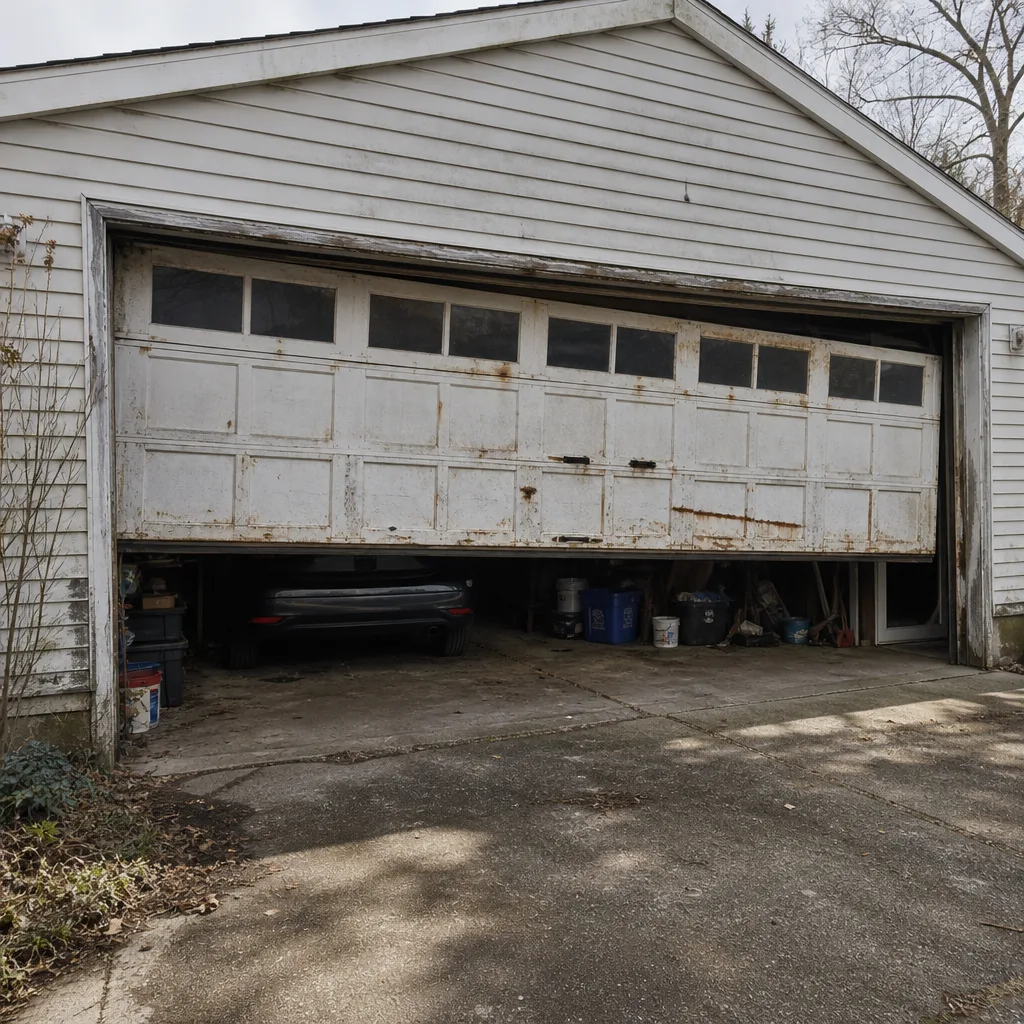 Before
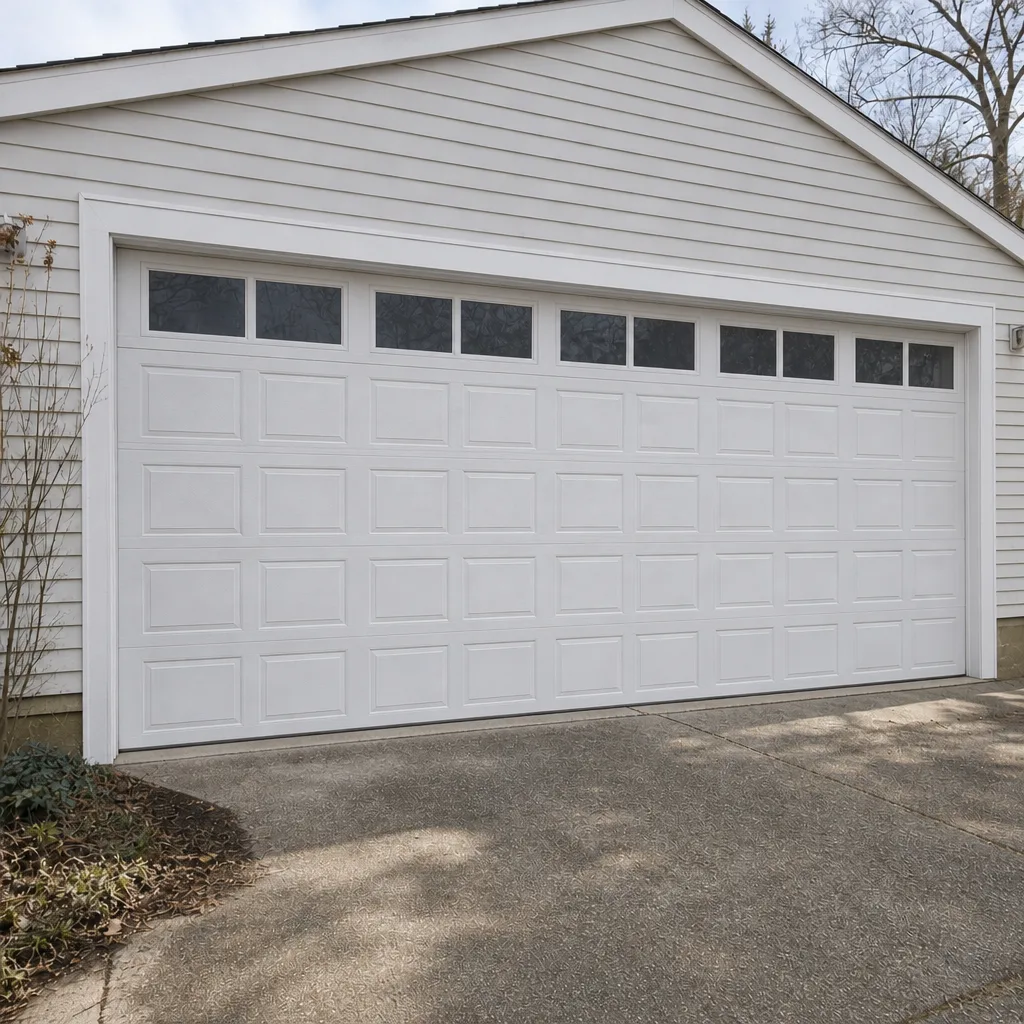 After
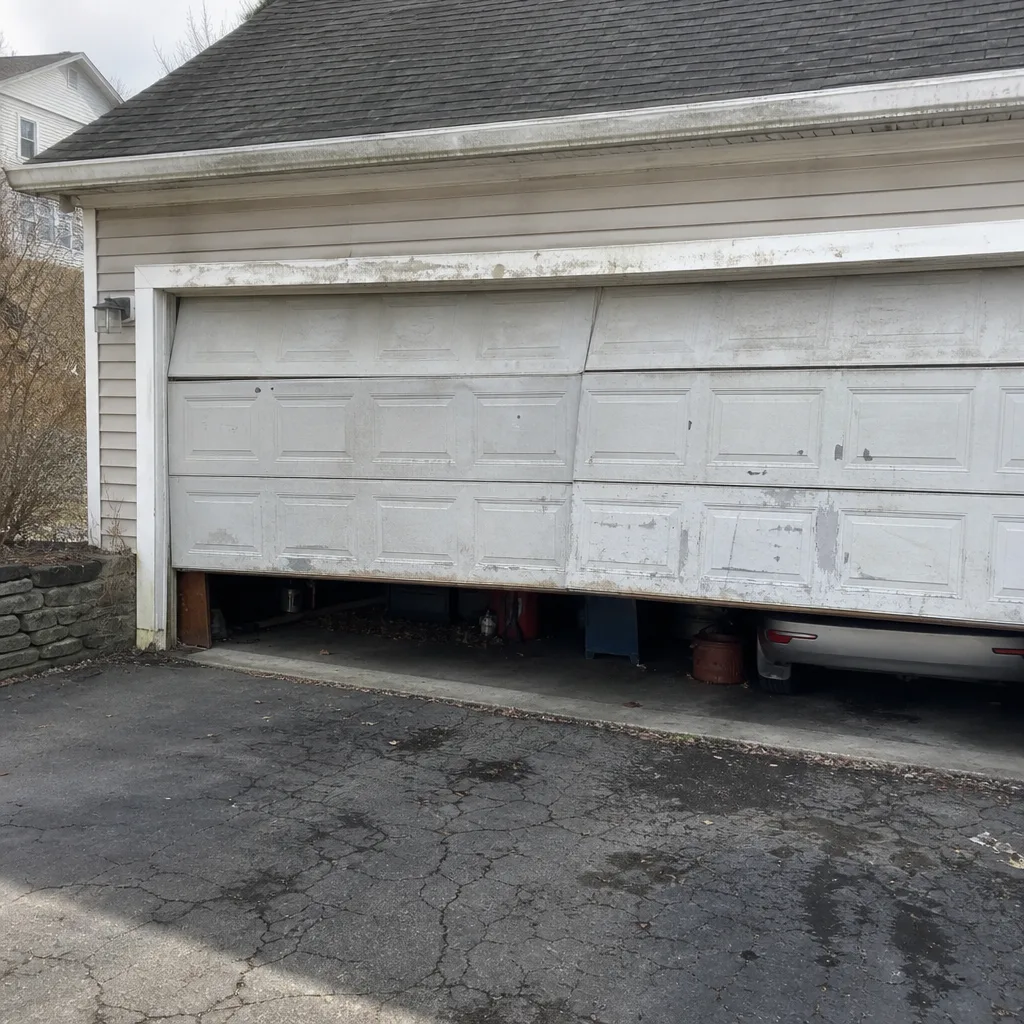 Before
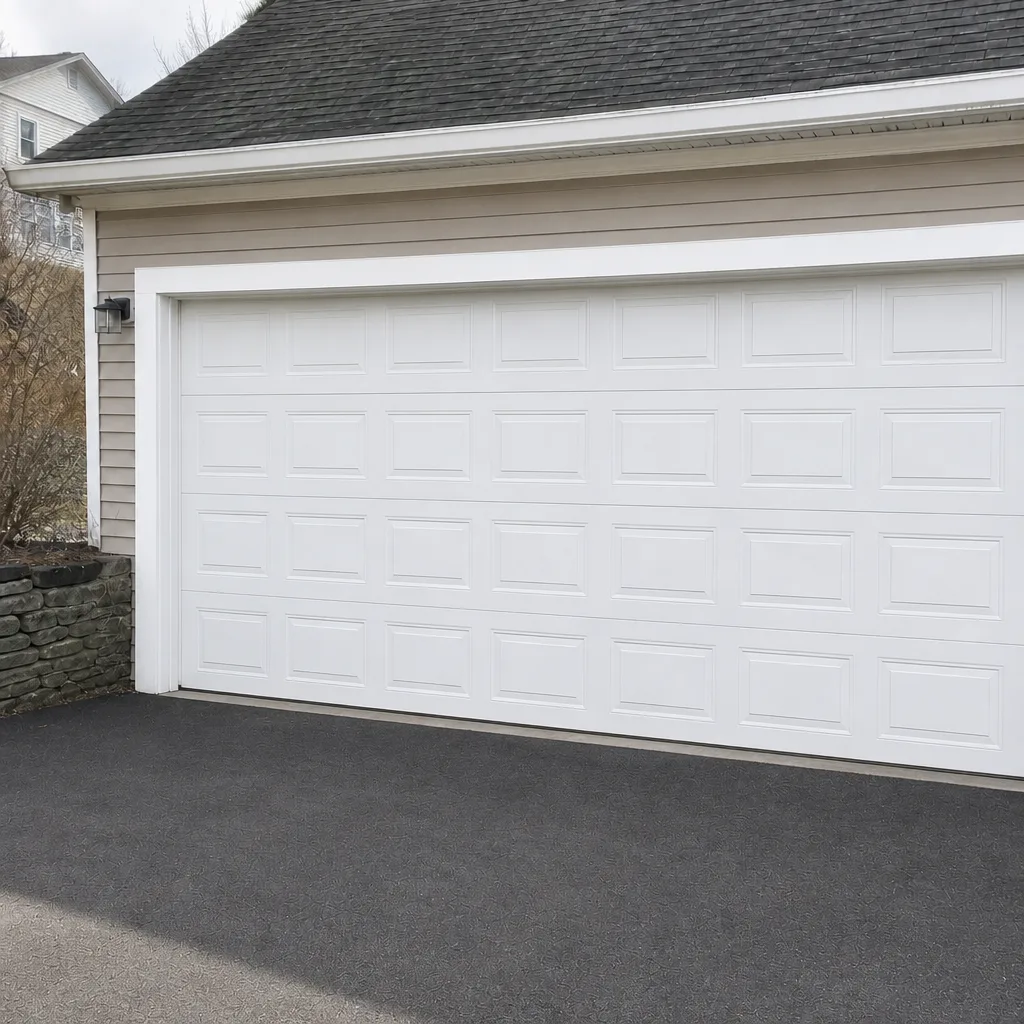 After
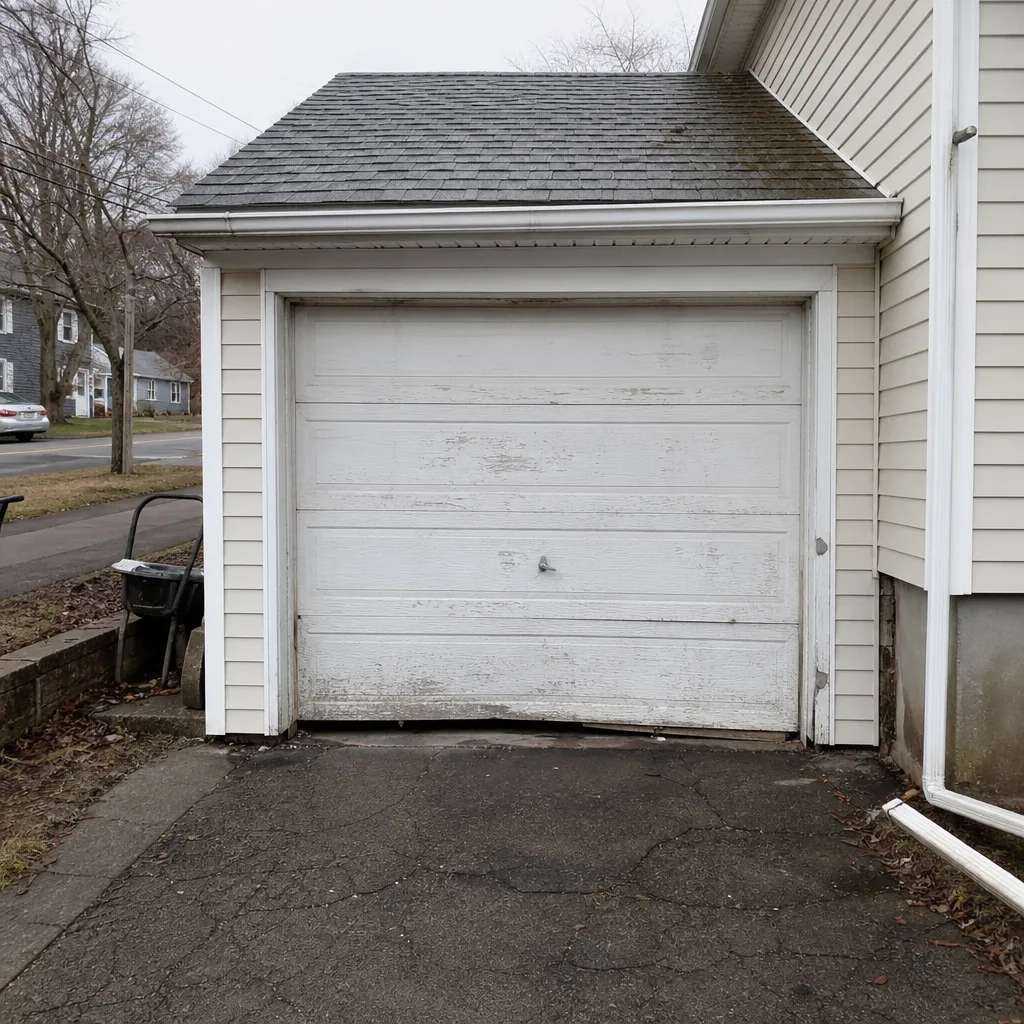 Before
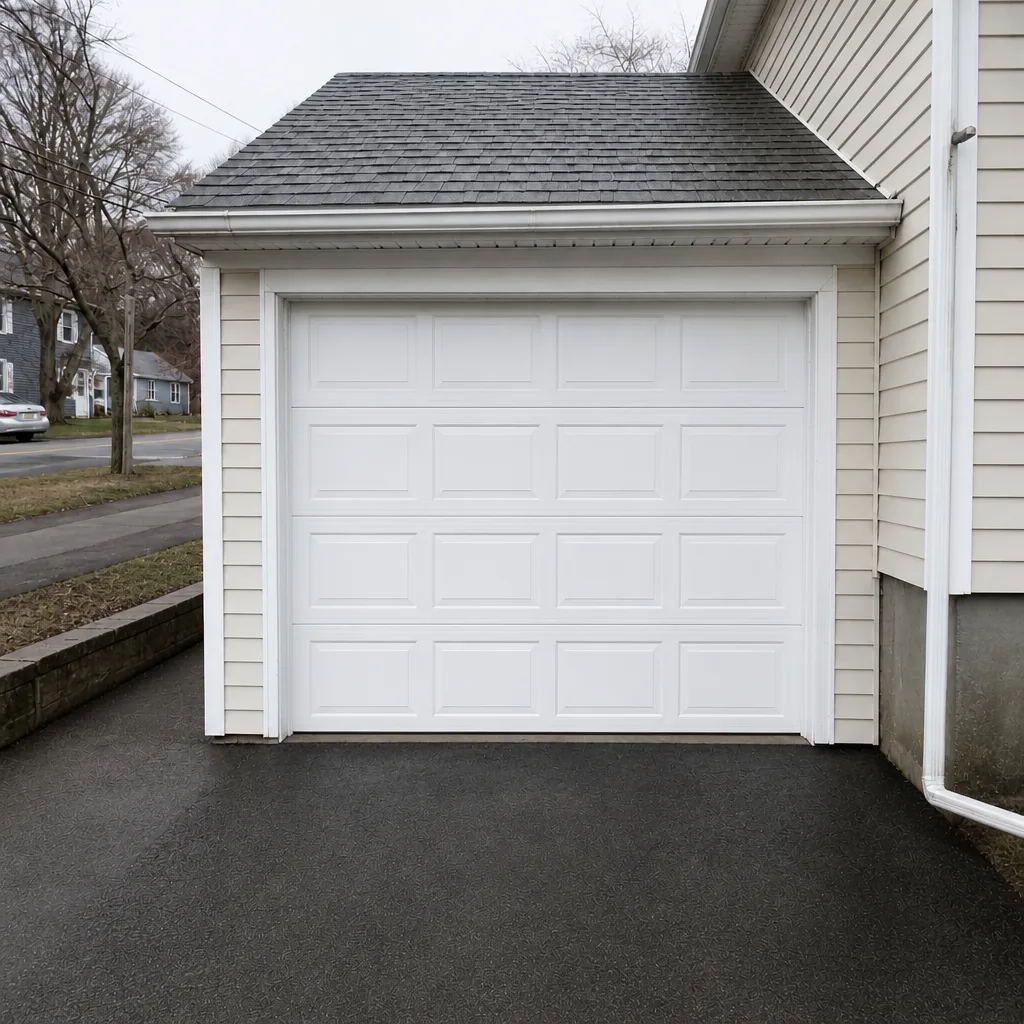 After
When to Call a Professional
Call us when the door won’t open at all, when you hear a bang from above and the door hangs uneven, when the opener runs but the door doesn’t move, or when the safety sensors won’t stay aligned. Call us when the bottom of the door has started to rot through, when the tracks are visibly bent, or when the door droops at one corner. Call us if you’re planning a replacement and don’t know where the project starts.
Two of these are genuinely dangerous. A broken spring or cable is under extreme tension and should never be touched by a homeowner; the injury risk is serious. An opener wiring problem involves line voltage. Both belong to a trained professional, and no guide should talk you into handling either yourself. Ambassador Garage Door Repair offers free estimates in Waterbury – call (844) 783-9136. We answer 24/7. Fast dispatch from 7am to 7pm, Sunday through Friday. If a door gives up on a Saturday, call and we’ll book you for Sunday.
Frequently Asked Questions
There’s no single price, because material, size, insulation, and whether the header and track need modification all move the number. The honest answer is a free measure and a written estimate that reflects your opening. Ask for that in writing before any work starts, and confirm the price won’t change unless the scope does. Call (844) 783-9136 for an exact quote – estimates are free.
Usually yes, but the wiring and safety sensors must match what the new unit expects. Older Waterbury garages often predate modern opener wiring standards, so the compatibility question is not just the opener brand but the electrical setup. A specialist should check both before the install. Call (844) 783-9136 to book a measure.
Sometimes. Changing the opening size, running new electrical wiring, or rebuilding the header usually triggers a permit; a straight same-size swap often doesn’t. The only reliable answer comes from Waterbury’s building department for your specific address. Ask them before you order.
A door that slams rather than holds a position when the release is pulled is a sign the springs are near the end. A bang from above followed by a door that won’t lift is the classic break. Do not attempt a spring repair yourself – the tension can cause serious injury. Call (844) 783-9136 for a professional diagnosis.
It can, especially in older garages where the opener was wired through a light fixture or an outlet on a shared circuit. That’s why any installation here starts with a look at the existing wiring alongside the door. If new wiring is needed, the estimate will say so before work begins. Call (844) 783-9136 to arrange a free estimate.
Ask whether the person diagnosing the problem is a specialist or a dispatcher, whether they measure before quoting, whether they work with multiple brands, and whether they give a written price before starting. A company that can’t answer those clearly is the one to avoid. For a straight answer in Waterbury, call (844) 783-9136.
The Bottom Line
Garage doors in Waterbury fail for reasons specific to Waterbury: pre-1980 framing that doesn’t fit modern equipment, freeze-thaw winters that punish the bottom seal, wiring older than the electronics above it. The fix is a measure-first, brand-agnostic specialist who treats the door, the balance system, and the opener as one system. Choose materials for the climate, not the showroom. Ask about permits for anything structural or electrical. Insist on a written estimate before work starts. And if you’re in Waterbury and the door has stopped behaving, call (844) 783-9136 for a free estimate. We answer 24/7, with fast dispatch from 7am to 7pm, Sunday through Friday.
If you’re also curious about the surrounding area, we’ve put together a page on Waterbury that covers the town in more detail.
Written by the team at Ambassador Garage Door Repair.